- 29/09/2026
- Rohit Mishra
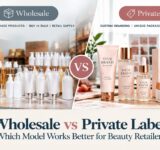
The beauty retail business is thriving, and along with it, there are more and more opportunities for entrepreneurs to launch and build their brands. When comparing wholesale vs private label manufacturing, retailers can source beauty products through two common models: wholesale, where ready-made products are purchased for resale, or private label manufacturer, where products are developed and produced under the retailer’s own brand.
Both have pros and cons, and some companies may be better served by a more traditional approach. The best option will depend on a lot of things like budget, company objectives, product management and future brand strategy.
What Is Wholesale in Beauty Retail?
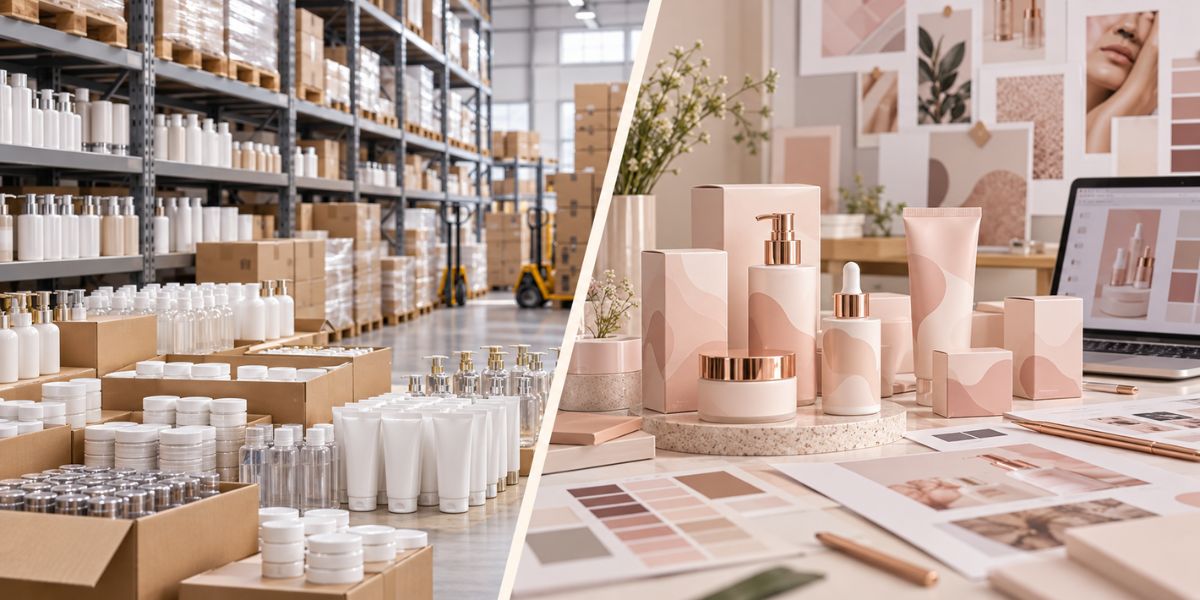
The wholesale model is a model in which retailers buy ready-made cosmetics in bulk at low prices and sell them to consumers for a profit. Products sold under the supplier’s brand often offer limited opportunities for personalisation. Some of the key advantages are a broader choice of products, faster product availability and easier sourcing without starting all over again. The lower startup costs and lower operational effort required for wholesale makes it a great choice for salons, new beauty entrepreneurs, stylists and businesses looking to start small and scale gradually.
What Is Private Label in Beauty?
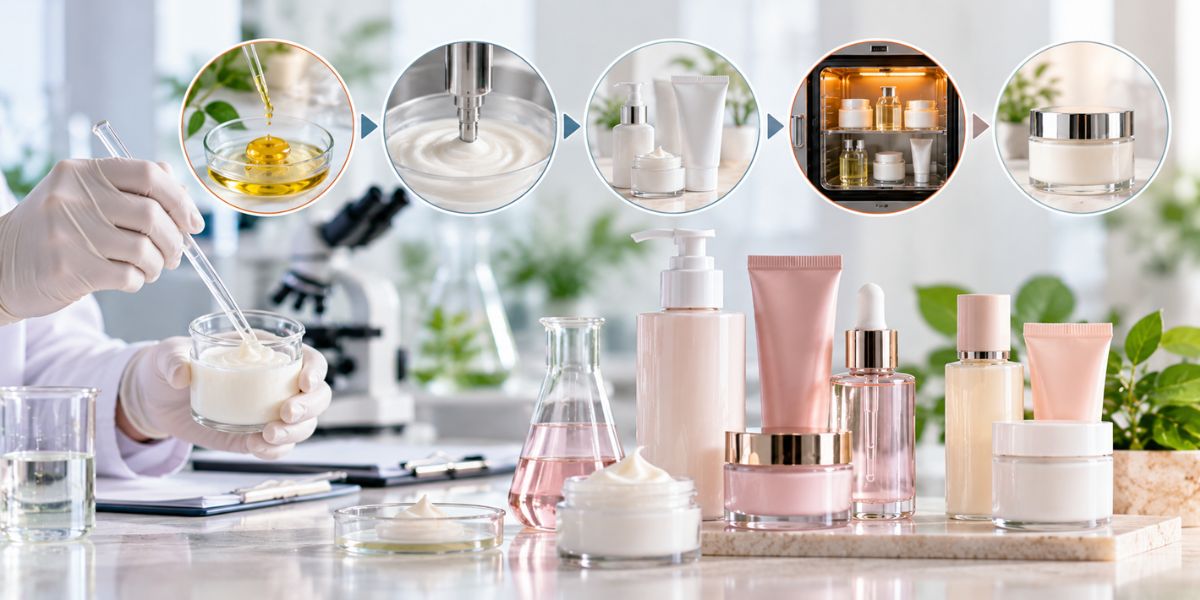
Stores can also offer their own brand of cosmetics, manufactured by the experts in private-label manufacturing. Depending on their target market and product idea, businesses can either choose from existing product ranges or order custom cosmetic formulation. You can make your product stand out by personalising your product packaging, labels, colours, scents, ingredients and formats.
Retailers have full control over how their beauty products are presented and branded, allowing them to establish a cohesive brand reputation. This model can help companies to create a unique selling point for their products, to increase brand awareness amongst consumers and ultimately to build a scalable and well-known beauty brand.
Wholesale vs Private Label: Major Differences
- You can find wholesale vs private label in the level of control, investment, and branding they offer.
- Brand ownership remains with the manufacturer in wholesale, while private label manufacturer allows retailers to sell products under their own brand.
- Customisation is generally limited with wholesale products but can include formulations, packaging, and product concepts under private labelling.
- Product control is also greater with private label, allowing businesses to influence development and presentation.
- The associated expenses with private label products include marketing, packaging, production and research, and development.
- Buying in bulk typically requires less capital, due to the pre-made nature of wholesale products.
- Brand differentiation is limited in wholesale but stronger with private label.
- Because the goods are already made, and the supply chain is established, wholesale can speed time to market.
- Building a private label business takes more time upfront but pays off in the end with increases in sales, brand recognition and consumer loyalty as well as a more distinctive product offering.
Advantages of Wholesale for Beauty Retailers
- Packaging, branding, sourcing, and product production are all done, so you may focus on bulk buying and selling.
- The beauty accessories are ready to sell, so you may promote them faster.
- If you are new to the market and offer products from a well-known brand, citing your source helps build client trust.
- Wholesale offers lower costs, faster launches, and lower financial and operational risk, boosting security.
Advantages of Private Label for Beauty Retailers
- You are in charge of how people around the world perceive your brand.
- You have full control, when you personalise your logo to reflect your brand.
- Is private label worth it? Your customers are buying premium branded beauty products so you have higher profit margins. Branded products cost more and give you more pricing options.
- Personalised product lines can help brands stand apart from competitors and foster greater loyalty from their customers.
- To build trust and establish market leadership in the long run, you need to differentiate yourself from the competition.
- Is private label better than wholesale? Private label success lets you grow your firm, making it more exclusive and licensable.
Which Model Should Beauty Retailers Choose?
For companies that are just starting out, want to offer a variety of products, want to keep prices competitive or want a low-risk way to get into the market, wholesale could be the answer. Retailers can use it to get a sense of interest before making a plan for the future.
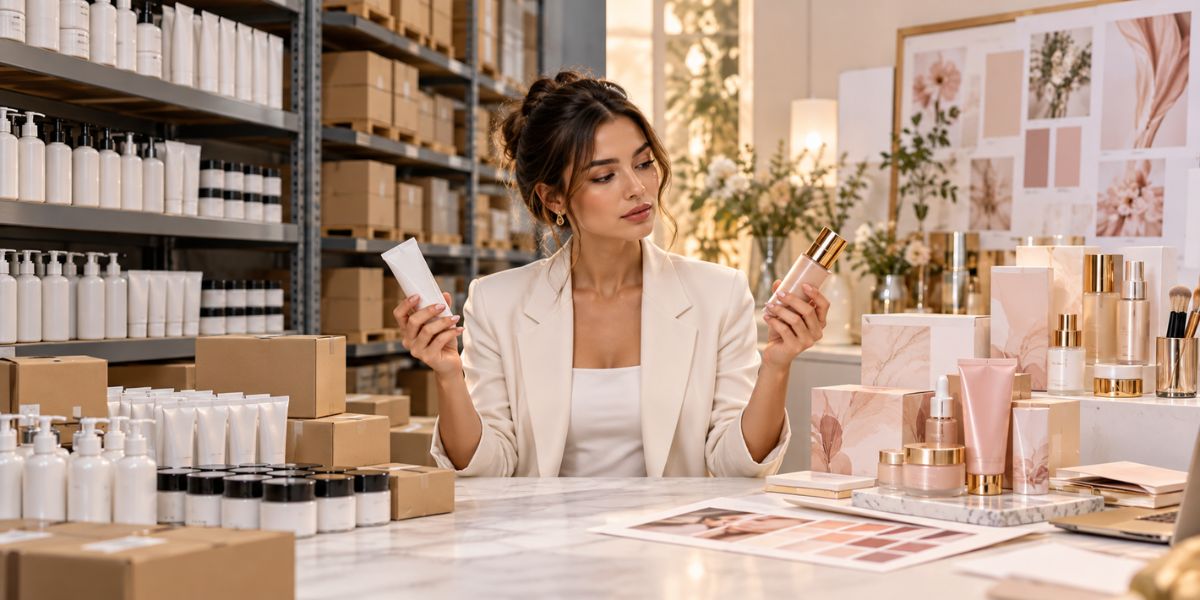
Stores that value customer uniqueness, customisation, and product differentiation may find private labelling to be a good fit. The right choice after comparing wholesale vs private labelling depends on budget, target customers, product strategy, available resources and long-term growth plans.
Can Retailers Combine Wholesale and Private Label?
Retailers can use wholesale private label products to create a flexible item range. They can use wholesale products to offer customers greater variety, established brands and faster availability. When private-label products become their core product range, they have more control over the branding, customisation, pricing and long-term development of their brand.
Conclusion
Now, you probably know wholesale vs private label meaning. Private label allows for more personalisation, ownership of the brand and differentiation but wholesale allows for quicker market entry, cheaper investment and a wider variety of products. Is private label or wholesale better? Neither model is universally better. A hybrid approach can combine both using wholesale products to expand variety while developing private-label products as the brand’s core range.