- 17/07/2026
- Rohit Mishra
Growing customer awareness, the desire for clean beauty, personalisation, preventive skincare, and digital commerce will all help the global skincare market grow a lot until 2035. Brands face problems with quality, compliance, and scalability, even though possibilities keep growing in many areas especially in the Asia-Pacific. Innovative ideas, quick thinking, and dependable production support are key to success.
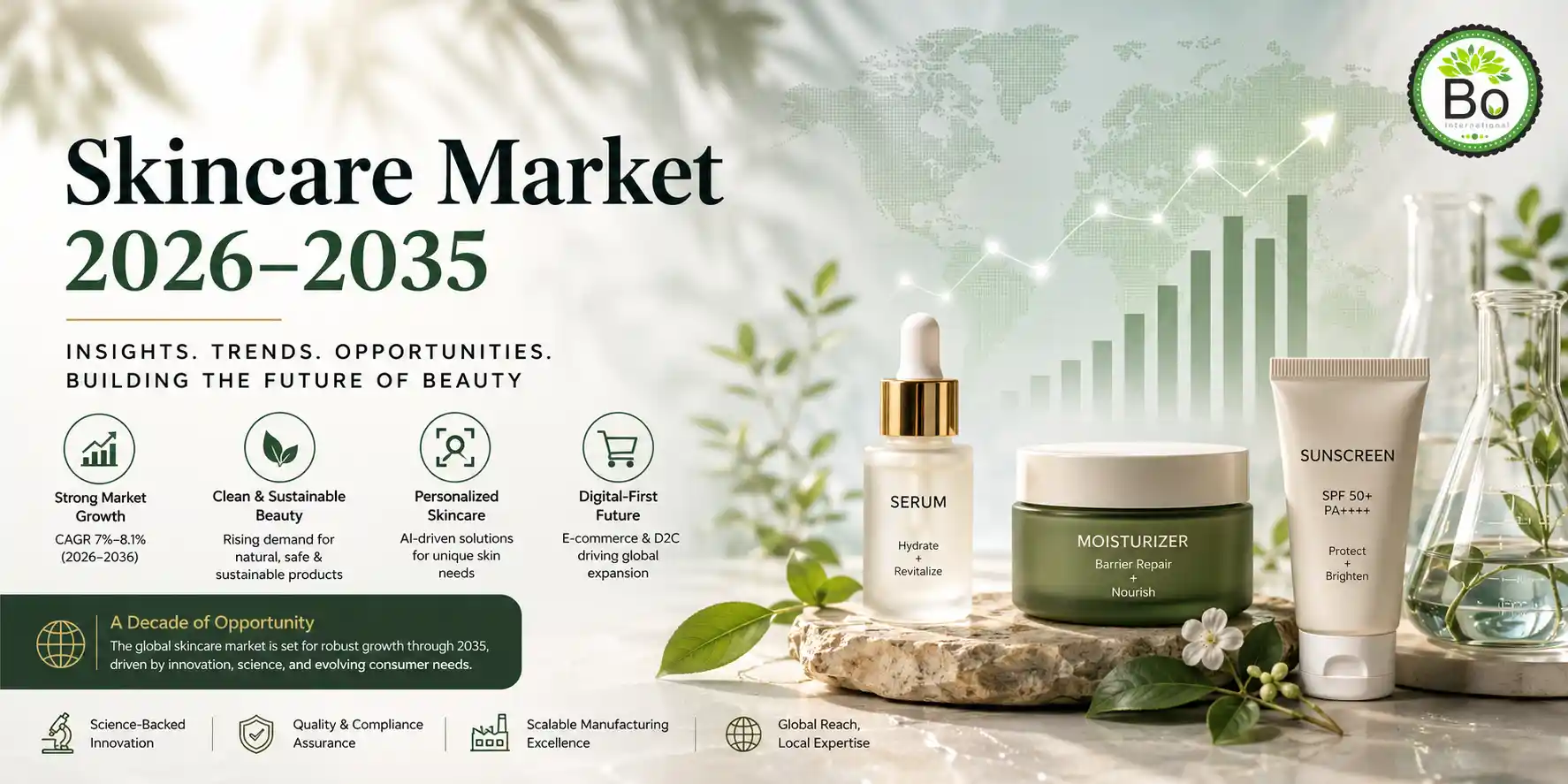
Partnerships with seasoned manufacturers, like Bo International give beauty brands the confidence to grow, expand and fight in a market that is changing quickly. This article will focus on the skincare market report 2026-2035, including its size, growth trends, and opportunities for beauty brands.
Executive Summary
According to Fortune Business Insights estimates that the worldwide skincare market will be worth USD 122.11 billion in 2025. The market is expected to increase from USD 129.11 billion in 2026 to USD 227.13 billion in 2034, at a CAGR of 7.32% during the global beauty market forecast.
As per skincare market report 2026-2035 by Roots analysis, the global skincare market which was valued at USD 184.6 billion in 2024, is expected to grow to USD 198.5 billion in 2025, and USD 407 billion by 2035, indicating a 7.4% CAGR.
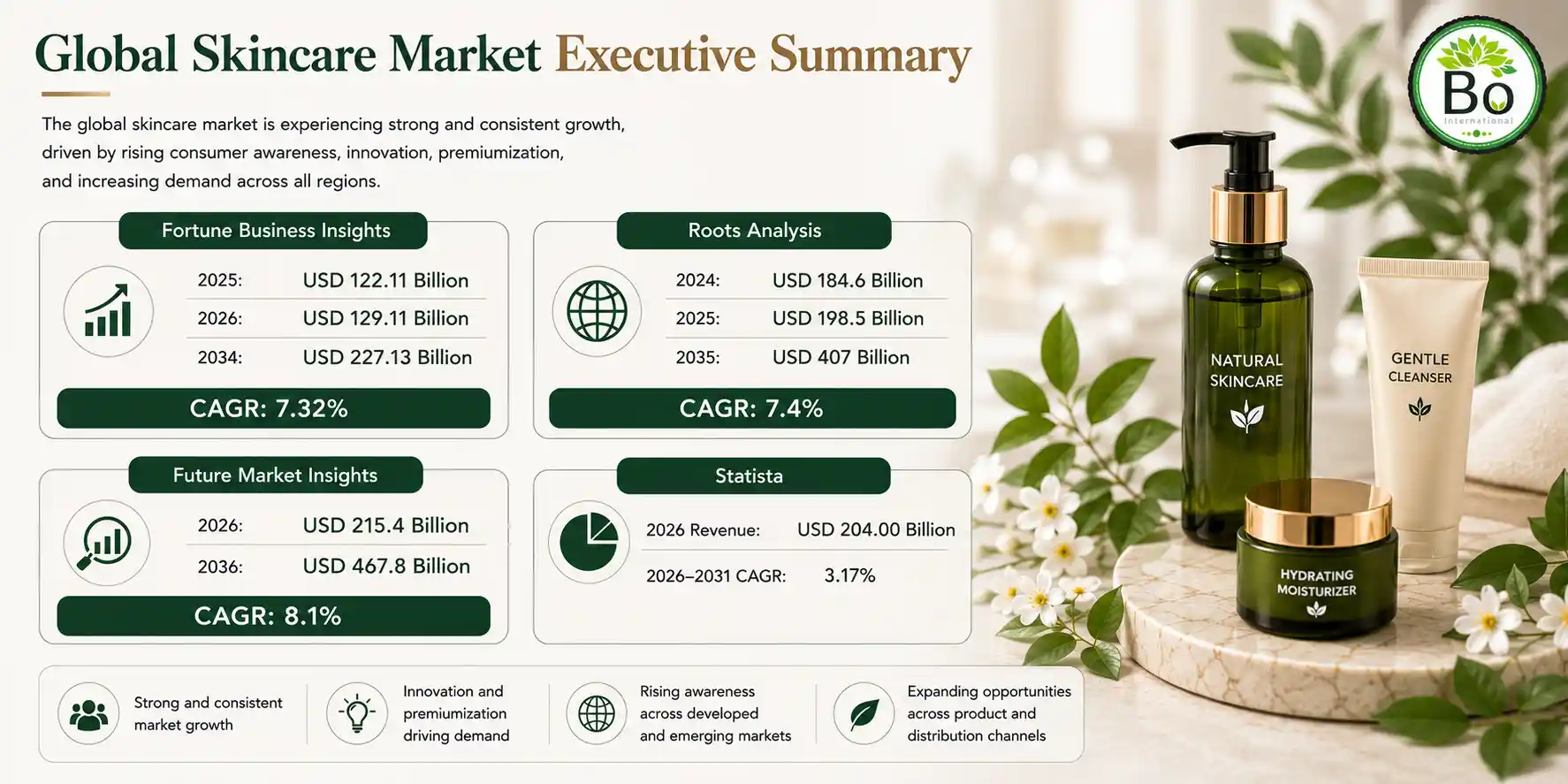
The skincare industry report 2026, according to Future Market Insights, is estimated to have a size of USD 215.4 billion. By 2036, the skincare market is expected to generate USD 467.8 billion through clinical and consumer channels. As active-led routines gain popularity, the market is expected to grow at an 8.1% CAGR between 2026 and 2036.
Meanwhile Statista, the global skin care market will earn USD 204.00 billion in revenue by 2026. It is expected to expand at a 3.17% yearly rate (2026-2031 CAGR).
The skincare market is rapidly expanding as a result of rising awareness, natural product demand, and preventive skincare, creating an enormous opportunity for brands that can scale while maintaining quality and compliance. By creating this skincare industry report, Bo International aims to help brands make informed decisions, and find the right manufacturing partner.
Global Skincare Market Size and Growth Projections
Market Size According to Leading Research Firms
| Year | Fortune Business Insights | Roots Analysis | Future Market Insights | Statista |
|---|---|---|---|---|
| 2025 | 122.11 | 198.50 | – | – |
| 2026 | 129.11 | 213.40 (Est.) | 215.40 | 204.00 |
| 2027 | 138.53 (Est.) | 229.40 (Est.) | 232.80 (Est.) | 210.47 (Est.) |
| 2028 | 148.63 (Est.) | 246.60 (Est.) | 251.70 (Est.) | 217.14 (Est.) |
| 2029 | 159.52 (Est.) | 265.10 (Est.) | 272.10 (Est.) | 224.02 (Est.) |
| 2030 | 171.24 (Est.) | 285.00 (Est.) | 294.10 (Est.) | 231.12 (Est.) |
| 2031 | 183.83 (Est.) | 306.30 (Est.) | 318.00 (Est.) | 238.45 (Est.) |
| 2032 | 197.36 (Est.) | 329.30 (Est.) | 343.70 (Est.) | – |
| 2033 | 211.90 (Est.) | 354.00 (Est.) | 371.60 (Est.) | – |
| 2034 | 227.13 | 380.60 (Est.) | 401.70 (Est.) | – |
| 2035 | – | 407.00 | 434.20 (Est.) | – |
| 2036 | – | – | 467.80 | – |
All of the major skincare market reports have consistently shown strong double-digit growth in the Global Skincare Market Size.
Projected CAGR and Future Outlook
After analyzing skincare market report 2026 2035, the size of the global market for skincare products is expected to experience a significant increase. During this period, the compound annual growth rate (CAGR) is expected to range from 7% to 8.1%.
People are prepared to spend more for products that are effective and clean which is the primary reason for this trend. Additionally, there is a growing interest in the premium skincare market. Skincare products will be available online through the digital channels, and they will be even more individualised to each individual based on scientific skin care market research.
Asia Pacific Dominance and Regional Breakdown
In 2025, Asia Pacific had the majority of the skin care market, accounting for 51.46%. This is due to rising disposable income, increased skincare awareness, and a younger population in India, China, South Korea and Japan.
Furthermore, the US skincare industry is expected to rise rapidly, reaching an estimated value of USD 30.42 billion by 2032, owing to rising demand for organic, and natural products.
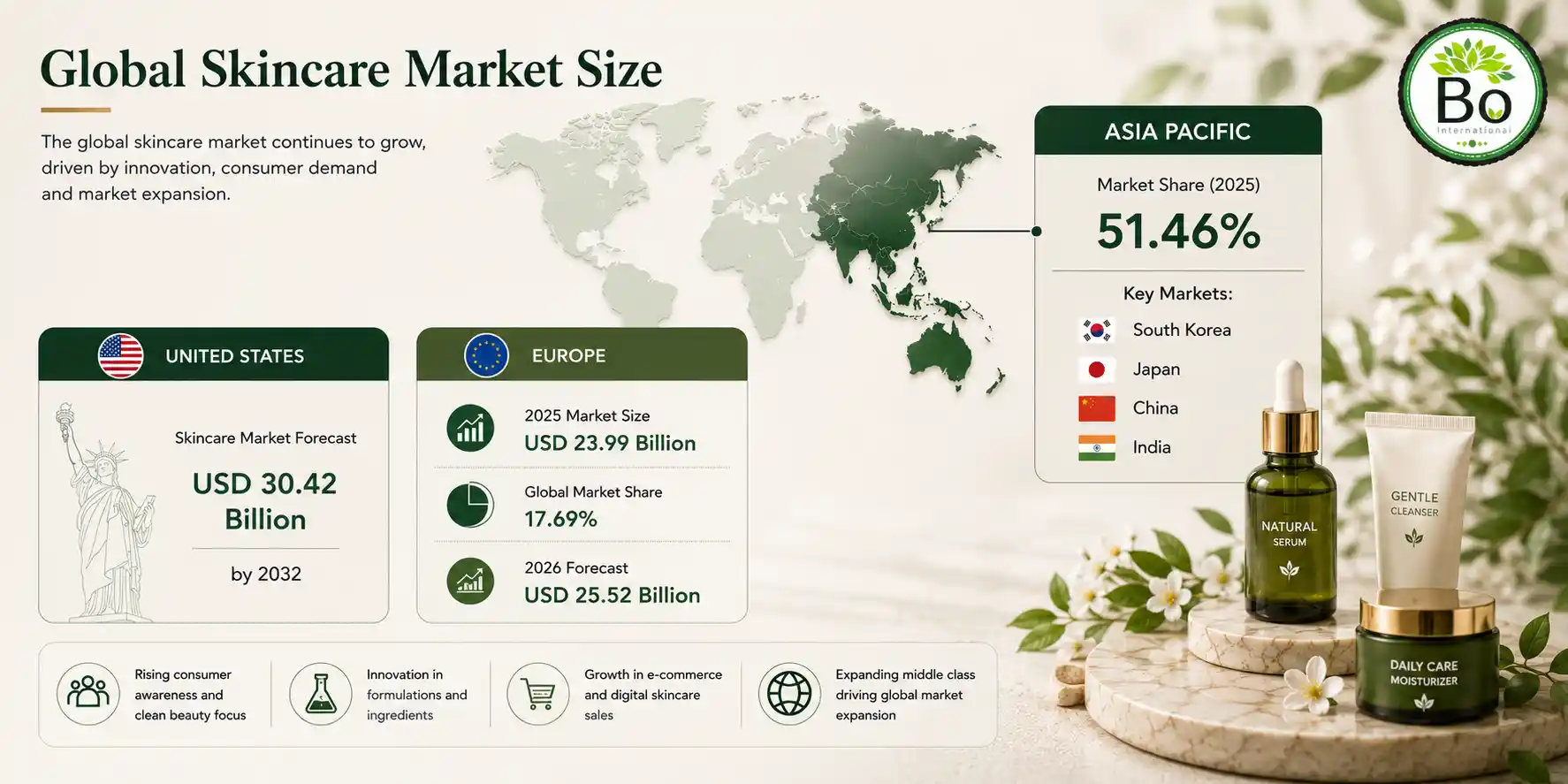
Europe’s market size was USD 23.99 billion in 2025 that accounts for 17.69% of the global market and it is expected to reach USD 25.52 billion in 2026. Europe is predicted to have a considerable worldwide market share.
Despite the market growth in North America and Europe, the Asia Pacific region remains the fastest-growing, and largest opportunity region.
Key Trends Shaping the Skincare Industry (2026–2035)
Rise of Clean, Natural & Sustainable Beauty
Demand for Clean, Natural, and Sustainable Beauty is rising as customers choose natural, plant-based, vegan, and sustainably derived products over synthetic chemicals.
Bo International meets clients’ needs for clean, natural and sustainable beauty products, and ingredients, with over 3,000 natural plant-derived ingredients, and a focus on clean formulations.
Bottle packaging is projected to grow significantly. Innovative, attractive lotion, and serum bottles with biodegradable, and recyclable packaging are the focus. Durable bottle wrapping extends product life. Innovative, recyclable, and refillable product packaging like paper packaging is also popular.
Personalization and Technology-Driven Skincare
Personalisation is a notable trend in beauty products, according to both Roots Analysis and Fortune Business Insights. Skincare industry analysis performed by artificial intelligence and formulations that are tailored to the individual are two examples of this trend.
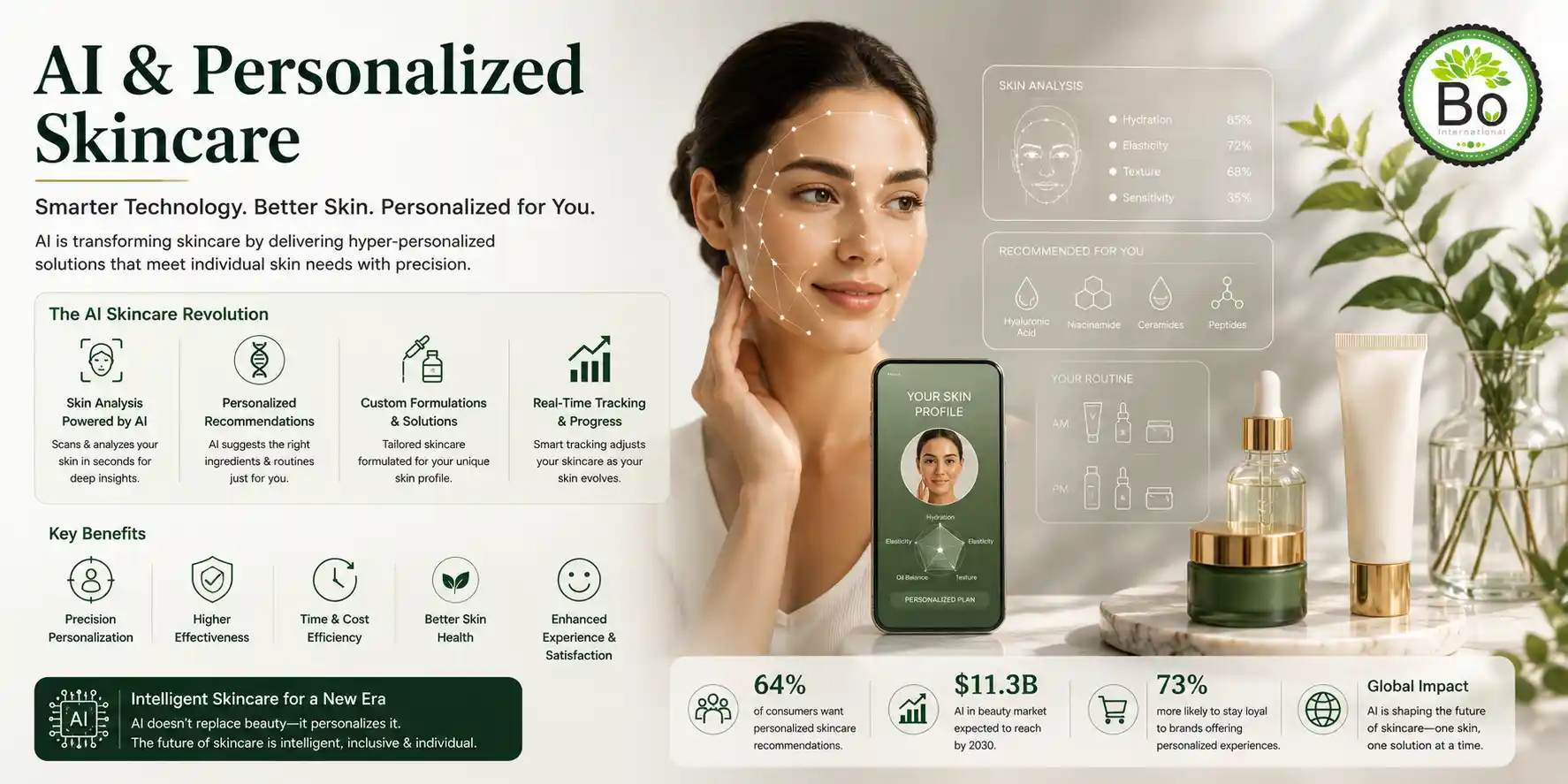
Individuals have a need for beauty and skincare products that are tailored to their own skin type, climate, age and concerns that are unique to them. As a manufacturer of bespoke private label skincare products, Bo International is an expert in the creation of one-of-a-kind formulations.
Preventive Anti-Ageing and Barrier Repair Focus
According to Roots Analysis, the anti-ageing segment in skincare is rapidly growing, driven by increased consumer awareness of premature ageing signs like wrinkles, and fine lines.
Younger consumers, particularly millennials and Gen Z, are adopting preventive routines with ingredients, such as retinol, peptides, niacinamide and hyaluronic acid. Influencers, and dermatologists have normalized these products in daily skincare.
The aging population in North America, Europe, and the Asia Pacific further expands this market. Additionally, moisturizers, crucial for skin barrier repair are projected to represent 24.2% of the global skincare market size 2026, supported by clinical evidence.
Growth of Men’s Skincare Segment
Numerous studies indicate that men are showing a growing interest in personal grooming and skincare products. The men’s skin care industry is still significantly underdeveloped in contrast to the market for women’s skincare which presents substantial potential opportunities for retailers.
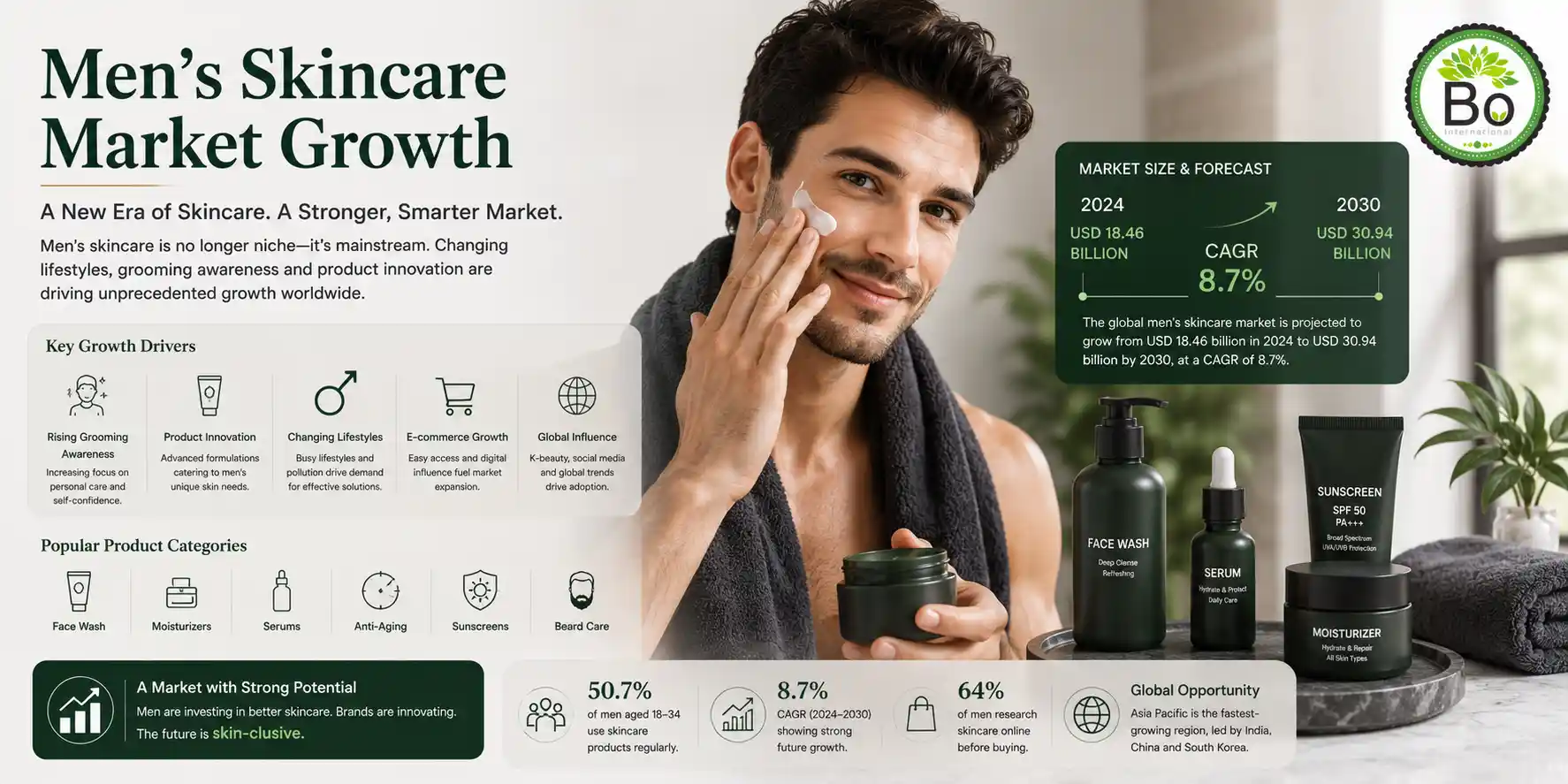
Increased adoption among male clients all around the world is being driven by rising awareness of personal grooming, education about skincare, and product alternatives that are more targeted with specific products. Bo International is able to assist with formulations that are both gender-neutral, and men-specific.
Demand for Clinical, and Dermatologist-Backed Products
Clinically proven skincare products are preferred. Advanced skincare formulation trends such as retinoids, ceramide integration technology, reduce moisture loss in the segment. Dermatologists favour scientifically validated anti-aging delivery methods as 23.5% of pharmaceutical-grade retinoids will be present by 2026.
Compared to cosmetics, for appropriate dosing, and photostability protection, dermatologists prefer retinoid technology. Prescription skincare businesses prioritise these formulations for concentrated tretinoin, and adapalene. FDA-cleared status ensures photodamage reversal treatments remain the best. Clinical and Dermatologist-Backed Product claims are valid with Bo International’s certifications, and stability testing.
E-commerce, D2C and Direct-to-Consumer Shift
In the coming years, e-commerce skincare sales growth is on the rise, as online channels will see the fastest CAGR over the projected period. The development of e-commerce platforms such as Amazon, Nykaa, Tmall, and brand-owned direct-to-consumer (D2C) websites has totally changed how younger customers, notably millennials, and Generation Z, discover, and buy skincare products.
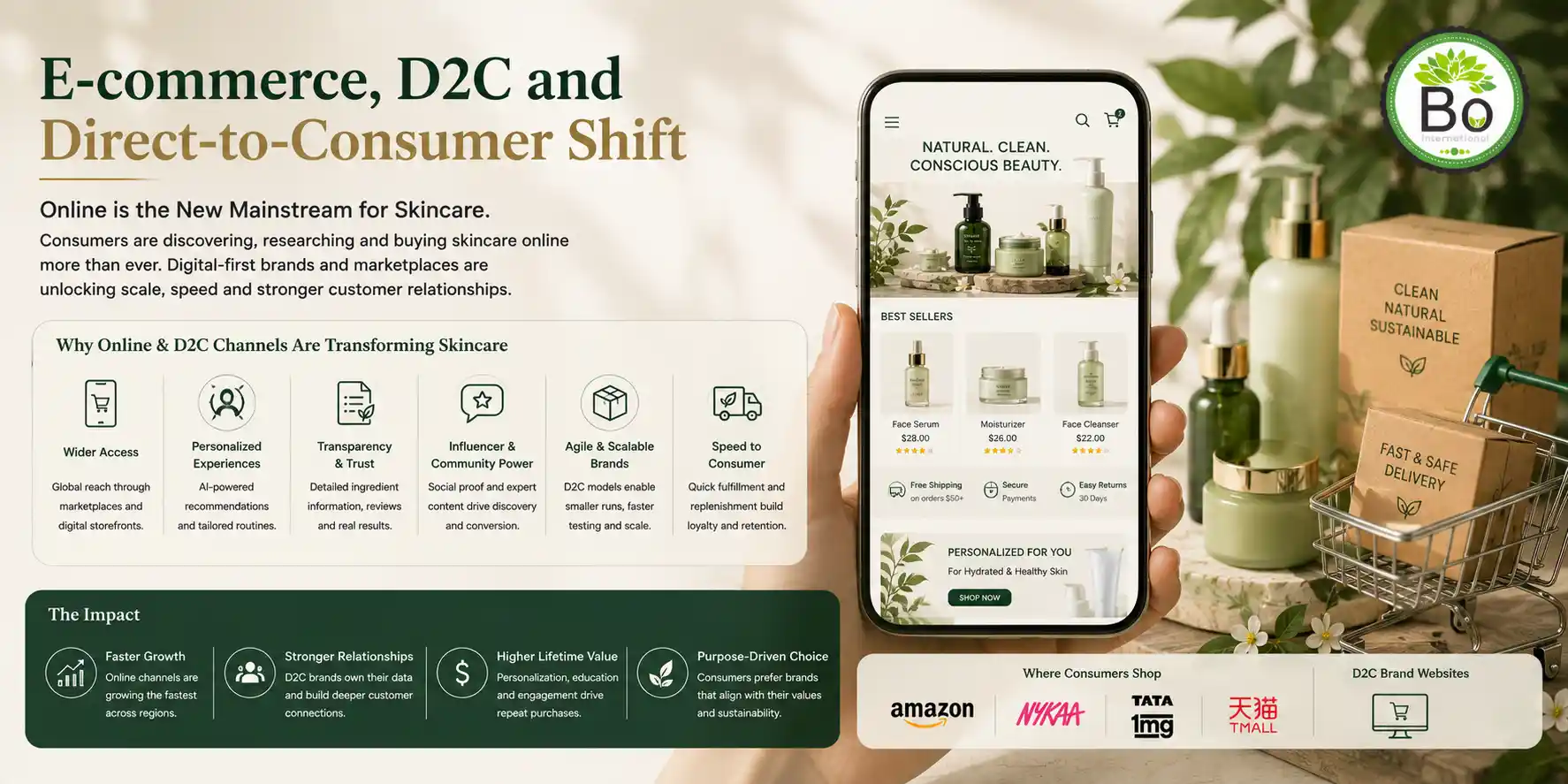
Furthermore, personalised recommendations, full ingredient breakdowns, user evaluations and influencer-linked shopping links transform online platforms into a highly informed, and convenient purchasing environment, which appeals to ingredient-savvy buyers. Brands require nimble manufacturing partners who can handle lower batch runs, and quick replenishment for direct-to-consumer models.
Sustainability and Eco-Friendly Packaging Requirements
There is an immediate need for the skincare and cosmetics industry to adopt methods of packaging that are ecological, recyclable and minimal.
It is essential to make this change in order to reduce the enormous amount of plastic litter, comply with the tough new environmental regulations, and satisfy the increasing demands of environmentally conscious customers who are driving a global clean beauty and personal care market.
As a component of its end-to-end services, Bo International encourages the development of environmentally friendly packaging.
Regional Opportunities – Asia Pacific and India’s Strategic Advantage
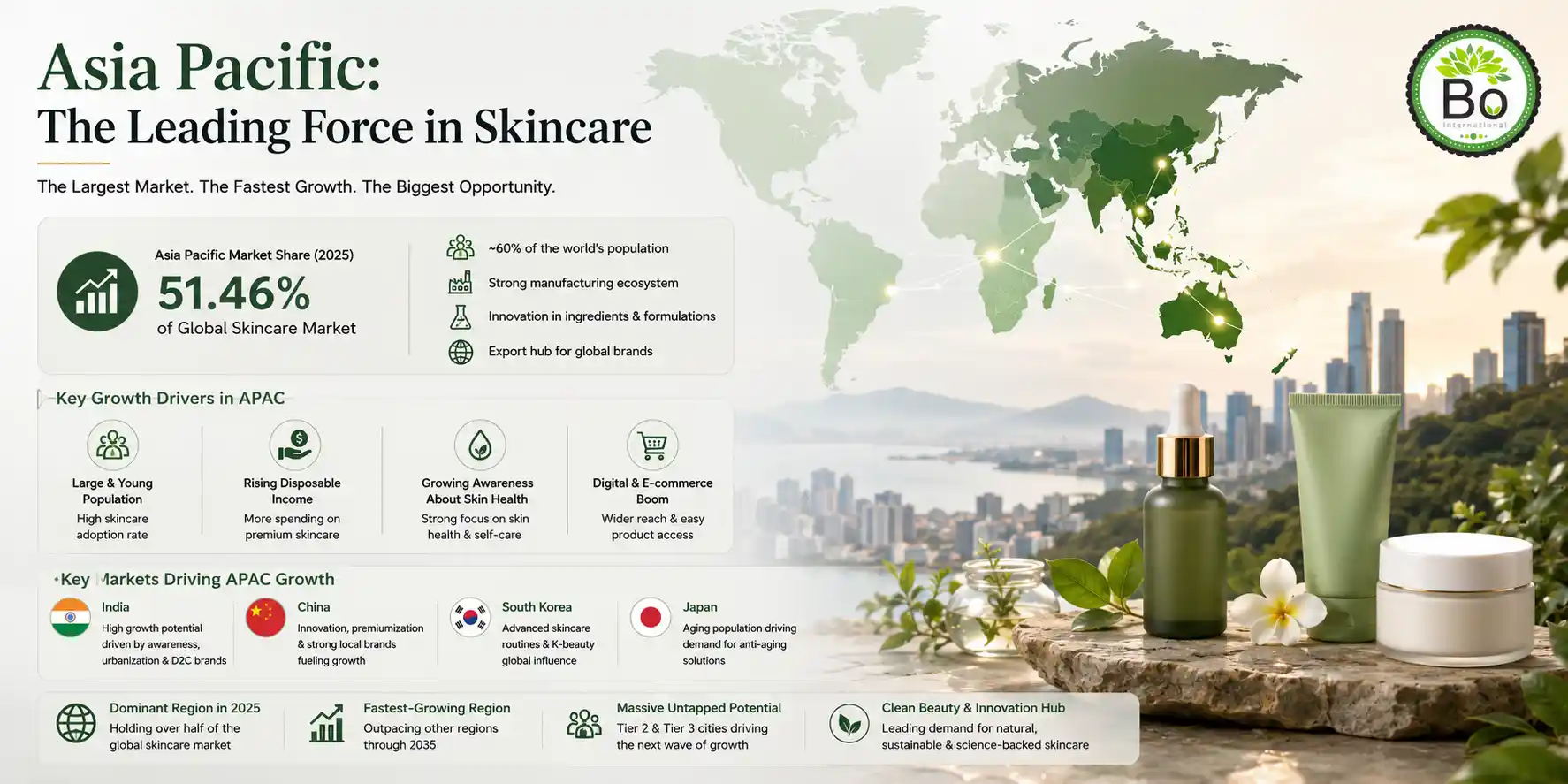
Why Asia Pacific Continues to Lead Global Growth
The Asia Pacific region represents about 35% of the global skincare market, driven by a cultural emphasis on skincare as a daily necessity. Countries like South Korea, Japan, China, and India have sophisticated consumer bases with established skincare routines. High population, rising middle class, and increasing beauty consciousness have made the region continue to lead the global growth of the skincare market segmentation.
One of the fastest-growing countries, South Korea is projected to grow at a 9.8% CAGR until 2036, supported by strong exports and a regulatory framework, which accelerates product commercialisation. The government’s focus on cosmetics exports has led to increased production, new launches and greater international brand recognition.
India Emerging as a Preferred Skincare Manufacturing Hub
The globe is increasingly turning to India skincare market opportunity. Due to supply chain changes, advanced manufacturing capabilities and a significant domestic market (USD 8–10 billion), more global, and domestic brands are using Indian contract, and private-label manufacturers.
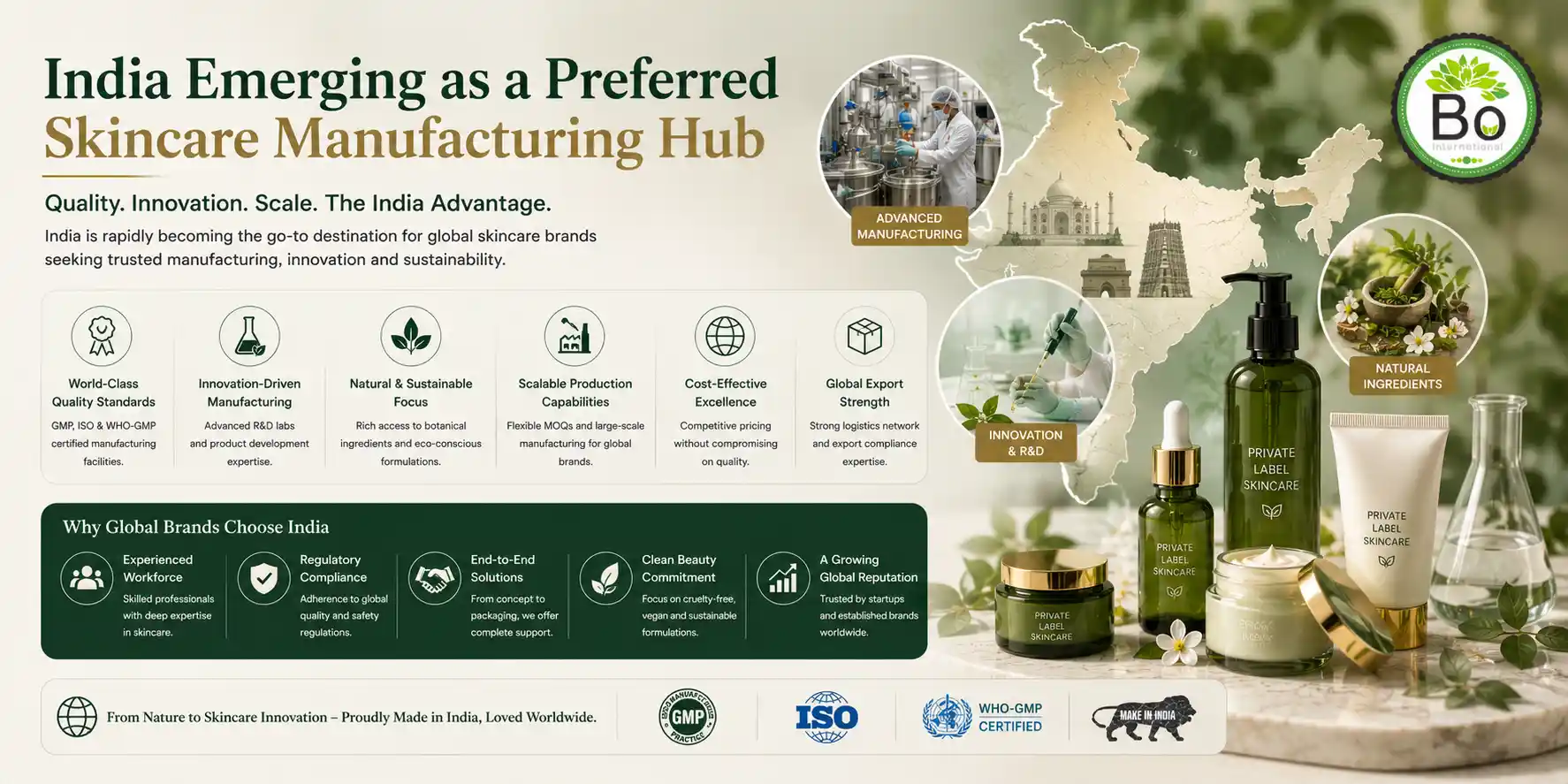
India is a large skincare market due to its robust regulatory structure and low-cost, high-quality production. Indian and foreign brands are outsourcing skincare manufacturing from India. One such indian manufacturer is Bo International, which offers private label skin care products both domestically and internationally.
Opportunities for International and Indian Beauty Brands
Both foreign and domestic beauty brands can make a lot of money by making skincare in India. By using private label agreements and third-party manufacturing, brands can avoid paying a lot for infrastructure and take advantage of low-cost production, a huge domestic customer base and a strong export ecosystem.
By making products in India, international brands can cut costs, and increase their profit margins. On the other hand, Indian direct-to-consumer brands can grow faster with a trusted local partner who knows how to comply with global standards.
Challenges Brands Face While Scaling in the Skincare Market
Manufacturing and Quality Consistency Issues
When going from small amounts, to mass production, many brands find it hard to keep the quality of their products consistent.
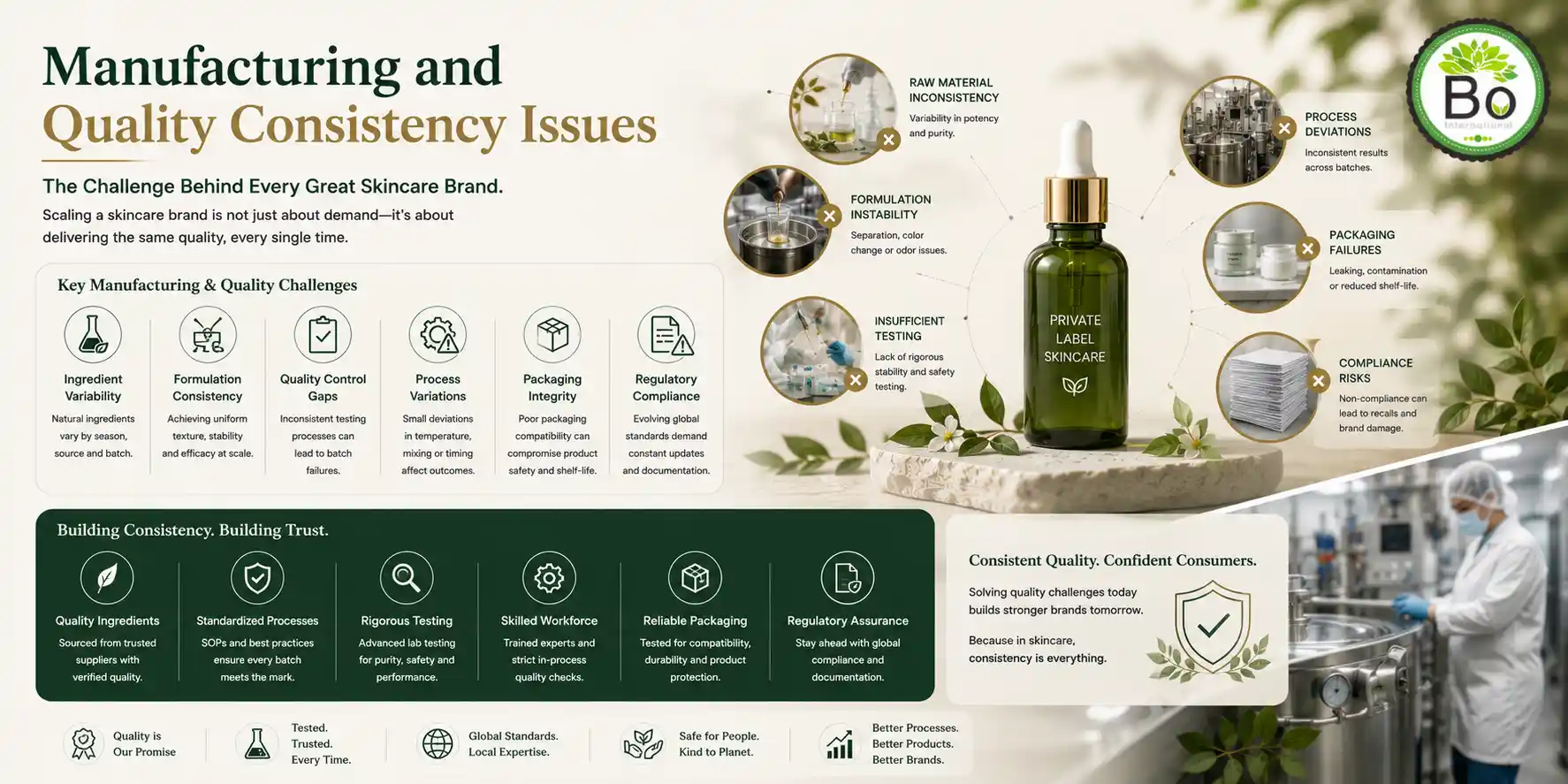
When going from small lab batches to large-scale industrial production, things that might not seem important, like mixing speeds, vessel temperatures, and different sources of raw materials, can split formulas, break them down, or make them less active. Stable weather is a big problem for goods to be sold in many places.
Regulatory Compliance and Global Market Access
Board-level problems with growing a skincare business are following the rules, and getting into global markets. Many countries have strict rules about claims, ingredients, and paperwork for skin care items, because they are used on the body.
It’s harder for brands to go global, as they have to switch from small, locally made amounts to mass production, and shipping across borders. In order to ship with confidence, brands need to have the right licences, such as GMP, ISO, FDA, Halal, Kosher etc.
Keeping Up with Rapidly Changing Consumer Trends
When trying to grow in the skincare business, it’s important to keep up with changing consumer trends. If brands don’t find a way to balance fast product development with uniform, clear, and clinically proven formulations, they risk losing customers, losing money and losing trust.
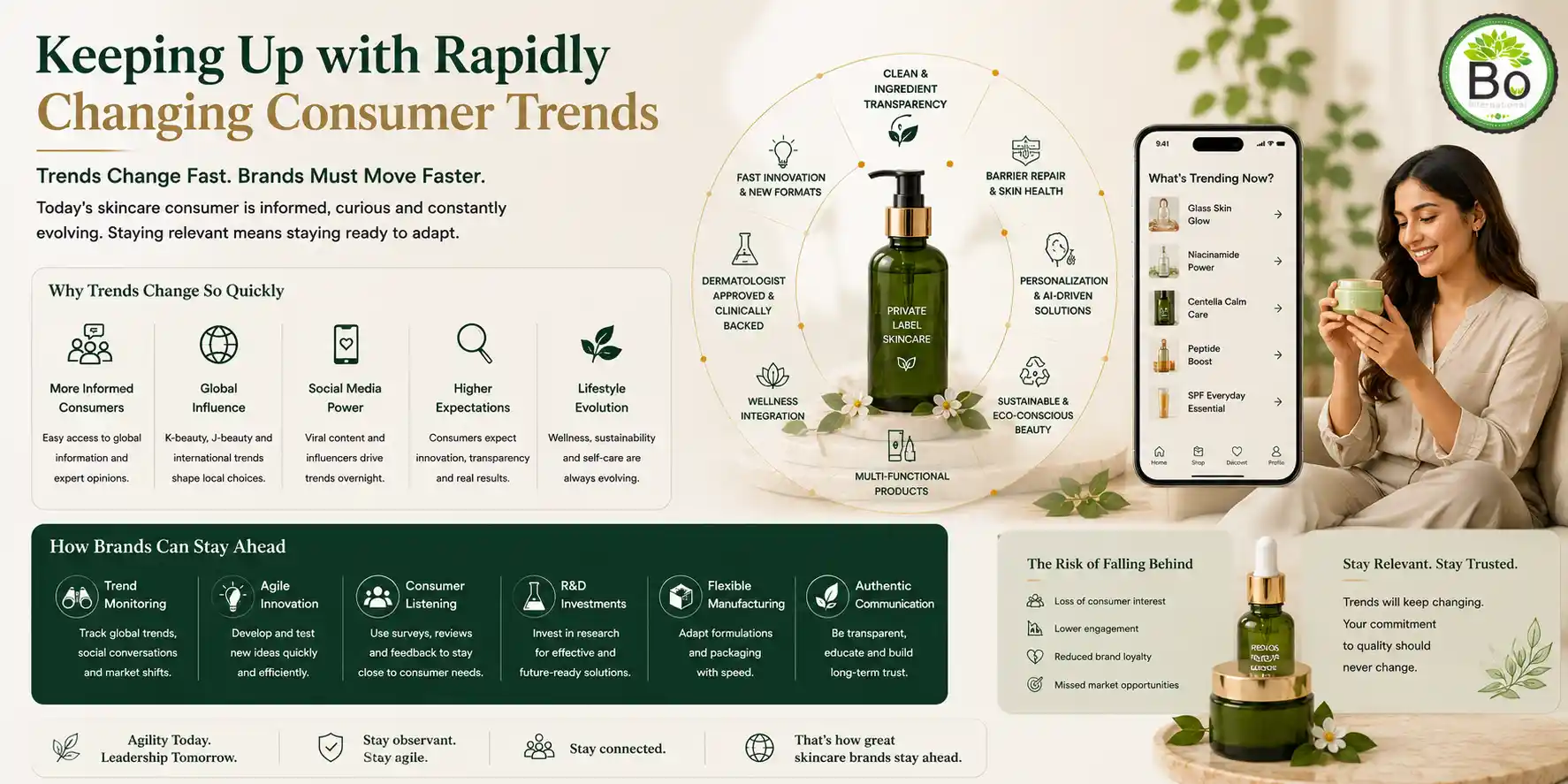
Trends change quickly; every few months, there are new ingredients, forms, and claims. As a result, brands need R&D and formulation partners that are flexible with skincare target market and can make trendy products fast.
High Cost and Complexity of In-House Production
Growing in-house skincare production is hard because it’s expensive and complicated. Costs and time are involved in starting your own manufacturing plant.
Although it gives full control over formulas and intellectual property, outsourcing is a much easier and more common way to grow because it doesn’t require as much cash, and doesn’t require managing a supply chain. Leading direct-to-consumer (D2C) and new brands like to work with seasoned contractors like Bo International.
How Brands Can Capitalize on Skincare Market Growth
Focus on Speed to Market and Agility
For skincare to grow, companies need to focus on speed-to-market and innovation. Viral social media trends force brands in the beauty market to quickly change direction, come up with new ideas, and meet very specific local needs. Fast-moving trends mean missing out on chances.
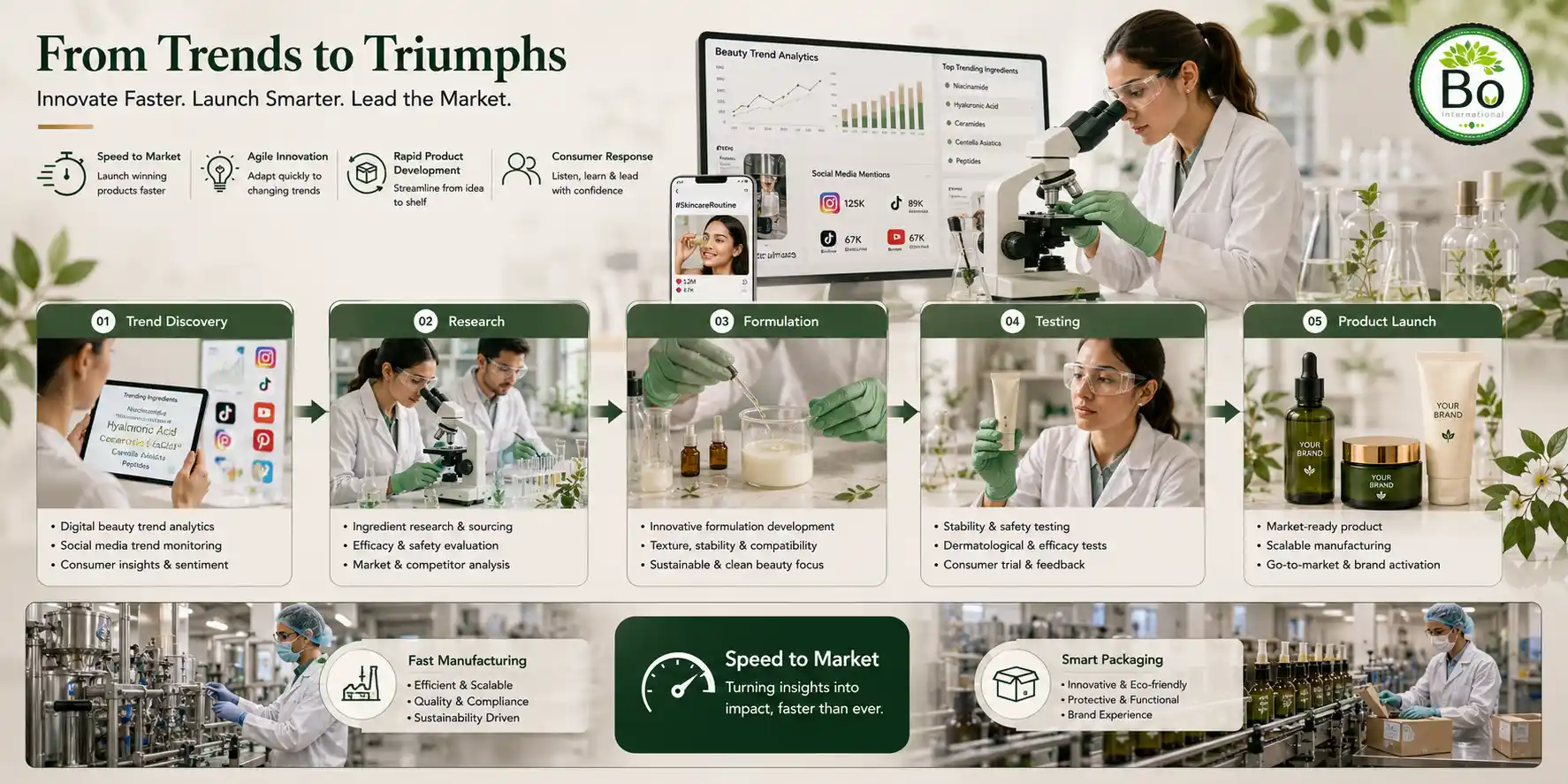
Companies that can get new goods out quickly have a big edge in markets that change quickly. Collaboration with an experienced manufacturer cuts down on the time needed for both skincare market research and production.
Prioritize Quality and Consistency at Scale
From small amounts, to mass production, many skincare brands have trouble. Brand reputation depends on keeping quality, texture and function the same. Manufacturers must put quality and stability first if they want to take advantage of the growing global skincare market.
Consumers today actively avoid gimmicks and instead choose clearly formulated, scientifically backed goods, that protect their skin barrier. Product names that sell in many areas need formulations that can withstand changes in climate.
Ensure Strong Regulatory Compliance, and Documentation
As the global skincare business grows quickly, laws are getting much stricter. For example, India’s CDSCO Cosmetics Rules, and the US FDA MoCRA are both doing this.
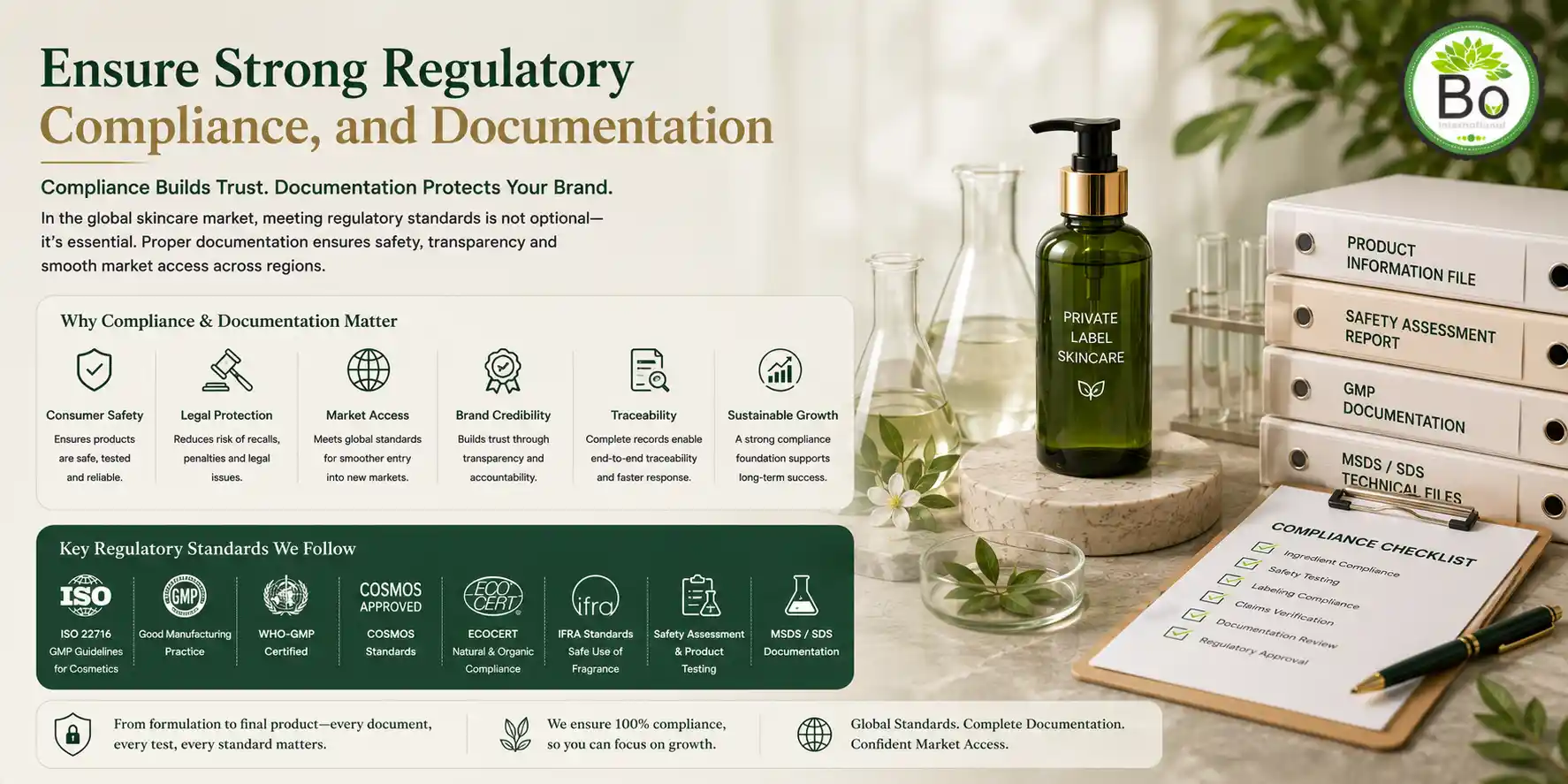
For a skincare business to go global, it needs to get the right licenses, and paperwork. To enter new areas smoothly, brands need help with the rules set by regulators. When you choose a partner with a strong compliance system, you lower your risk and wait time.
Choose Formulations That Align with Current Consumer Trends
Skincare brands should create formulae, which can match customers’ growing expectations for clean, natural, customised and scientifically validated products. A product can be more appealing, and effective using popular ingredients including hyaluronic acid, retinoids, peptides, ceramides and niacinamide.
Keeping the mixture safe, effective and stable is still crucial. Focusing on natural, eco-friendly, and sustainably sourced materials can help brands stand out, gain customer trust and compete longer-term.
Build a Reliable Manufacturing Partnership
It is difficult and excessively expensive for the majority of skincare companies to manufacture their products by themselves.
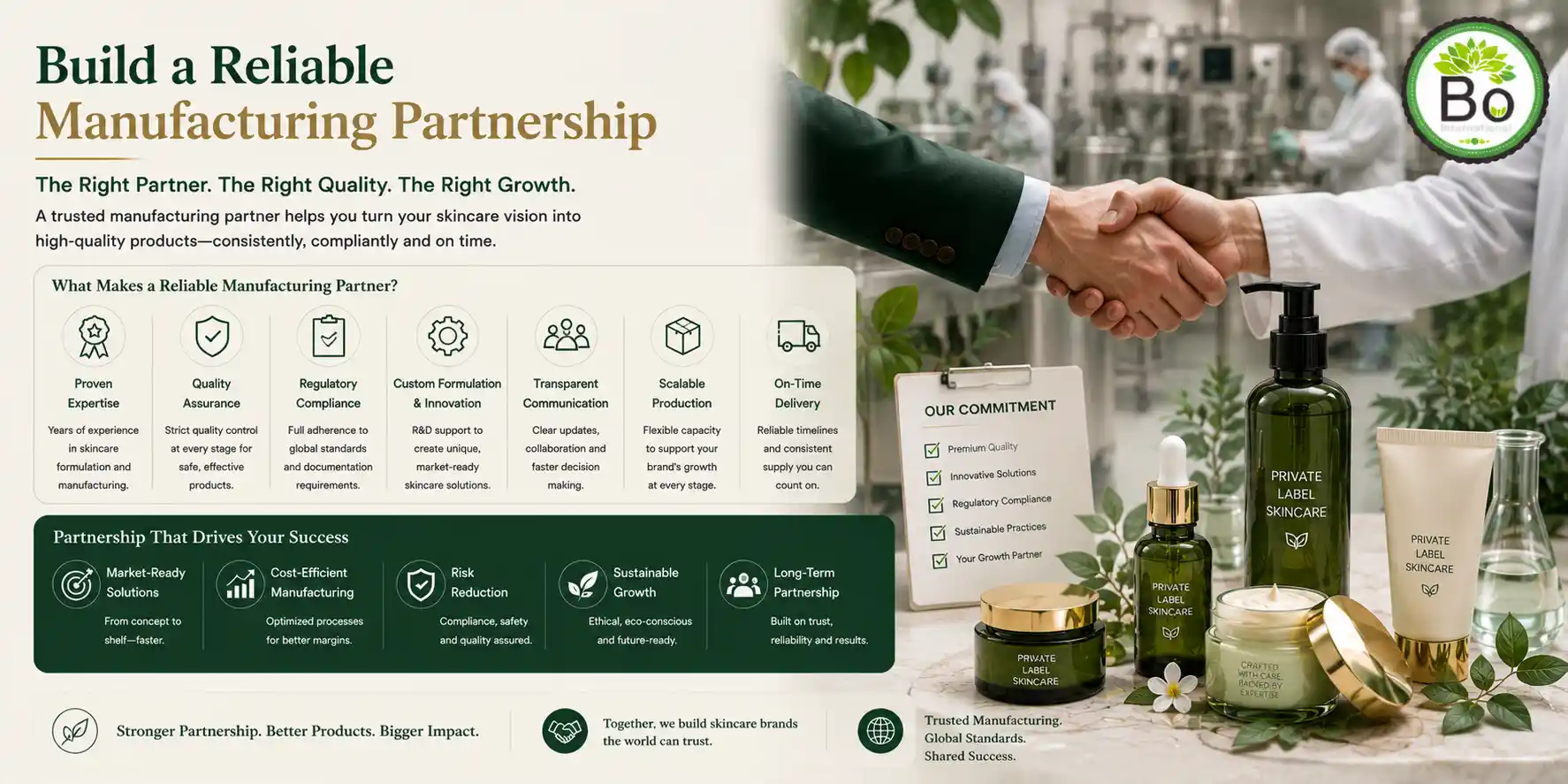
Having the ability to focus on marketing and expansion is made possible for businesses, when they collaborate with a competent contract manufacturer. Comprehensive support is provided by the right partner, beginning with formulation, and continuing through distribution on a global scale.
Future Outlook
Future Market Insights predicts the global skincare industry revenue will expand from USD 215.4 billion in 2026, to USD 467.8 billion in 2036. As consumers adopt barrier care, and active routines, demand is projected to reach 8.1% CAGR. As regular formation requires daily hydration, moisturisers will lead with 24.2% in 2026. Retinoids will make up 23.5% of pharmaceutical-grade skincare by 2026.
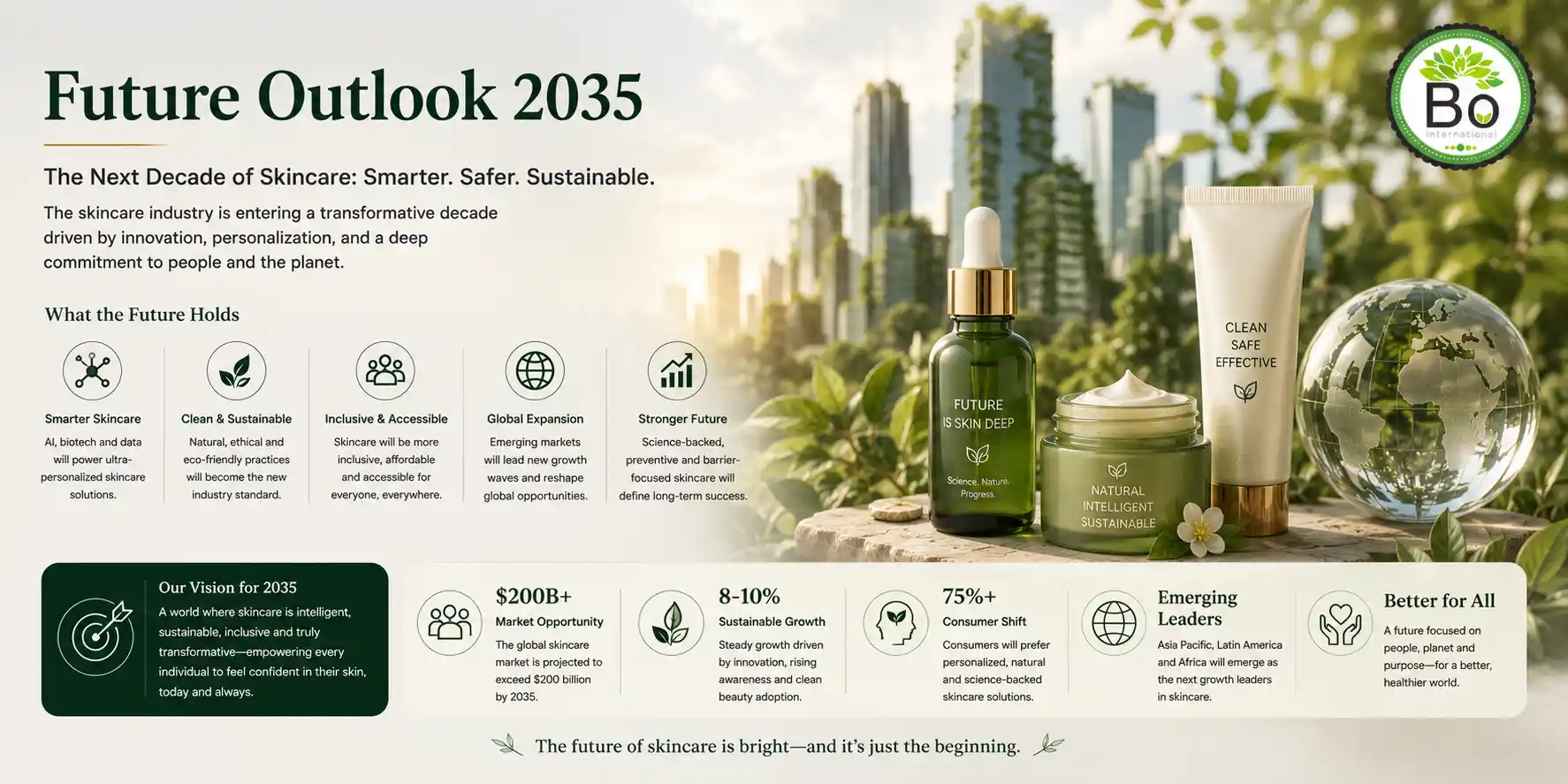
The beauty and personal care industry is driven by consumer demand for science-backed formulations, year-round SPF use and AI-powered customisation. This long-term shift toward informed skincare choices, and innovation may offer firms which prioritise efficacy, safety and customer confidence, tremendous growth opportunities.
Key Takeaways
- The global skincare market is projected to grow strongly that can reach approximately USD 407–468 billion by 2035–2036. The expected skincare market CAGR 2026-2035 is 7–8.1%.
- Rising consumer demand for clean, natural, sustainable and science-backed skincare products is a major growth driver.
- Personalisation, powered by AI, skin care market analysis and customized formulations is reshaping product development, and consumer engagement.
- Preventive skincare, barrier repair skincare trends, anti-ageing solutions, moisturizers, retinoids, peptides, and ceramides are gaining significant traction.
- Asia Pacific remains the largest and fastest-growing regional market, driven by increasing skincare awareness, disposable income, and beauty-conscious consumers.
- Men’s skincare is still underpenetrated, that can create substantial growth opportunities for brands targeting this expanding segment.
- E-commerce, D2C channels, and influencer-driven purchasing are transforming how consumers discover, and buy skincare products.
- Brands, which prioritize innovation, regulatory compliance, quality consistency, sustainable beauty packaging and reliable manufacturing partnerships will be best positioned for long-term success.
Frequently Asked Questions
What is the expected size of the global skincare market by 2035?
The global skincare market is expected to grow to USD 407 billion by 2035, according to a Roots Analysis report.
Which regions are expected to grow the fastest?
The Asia Pacific beauty market is expected to develop more quickly due to rising disposable incomes, urbanisation, and changing lifestyles in countries such as China, India, Korea and Japan.
What are the major trends driving skincare demand?
Increased access to information about ingredients, the focus on preventative health and the mixing of technology with beauty practices are the main things, that are driving demand for skincare. Customers are moving toward personalised, long-lasting and scientifically-backed skin care products.
What challenges do skincare brands face when scaling?
Growing skincare firms struggle with manufacturing consistency, supply chain volatility and store distribution. From small to mass production, texture, stability and pH balance typically disappear. Supply management, and rising digital ad expenses worsen profitability issues.
How important is sustainability in the skincare market?
Sustainability is an important factor. To appeal to environmentally concerned customers, brands are now incorporating biodegradable ingredients, eco-friendly packaging and plant-based formulations.
Is men’s skincare still a growth opportunity?
Yes, men skin care market is still huge and has a lot of room to grow. It has quickly gone from being a niche market, to an important part of people’s health.
What role does e-commerce play in skincare sales?
E-commerce is a major platform of the global beauty sector, that increases skincare sales. It also expands the market, promotes direct consumer relationships, and combines social commerce and AI to personalise data-driven buying experiences.
Conclusion
The global skincare market is entering a period of sustained growth, driven by clean beauty, personalization, preventive skincare and digital innovation. As consumer expectations continue to evolve, brands must balance innovation with quality, compliance and scalability.
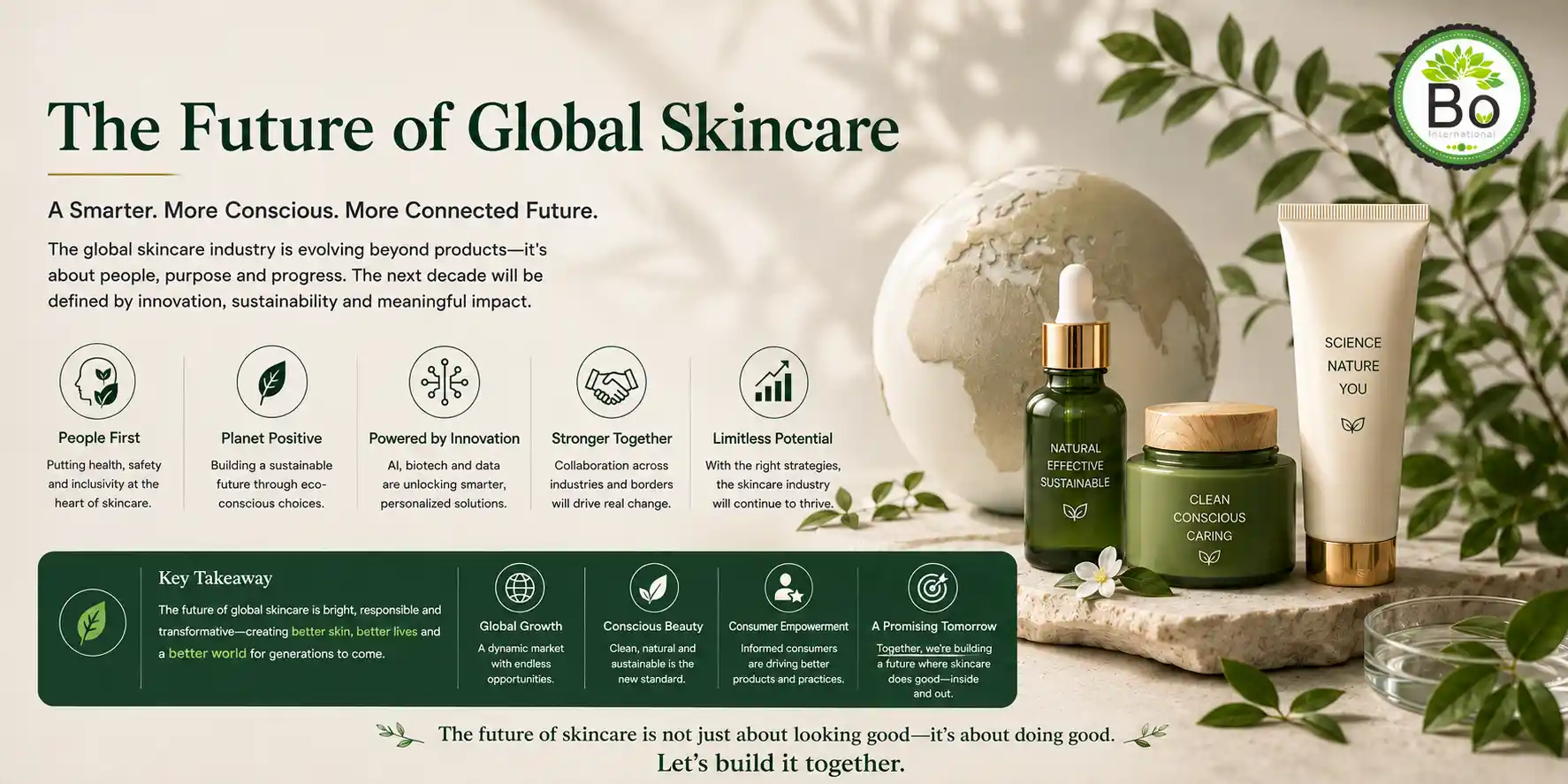
Emerging opportunities in the Asia Pacific, men’s skincare and science-backed formulations, further strengthen the market outlook. Companies, that prioritize consumer trust, sustainable practices and agile product development will be well-positioned to capture long-term growth, and build a competitive advantage in the years ahead.