- 02/04/2026
- Rohit Mishra
The brands are focusing on proving themselves as eco-conscious businesses. Therefore, sustainability becomes an important part of their initiatives. Recently, the trend of using sustainable packaging has emerged, especially among cosmetic brands.
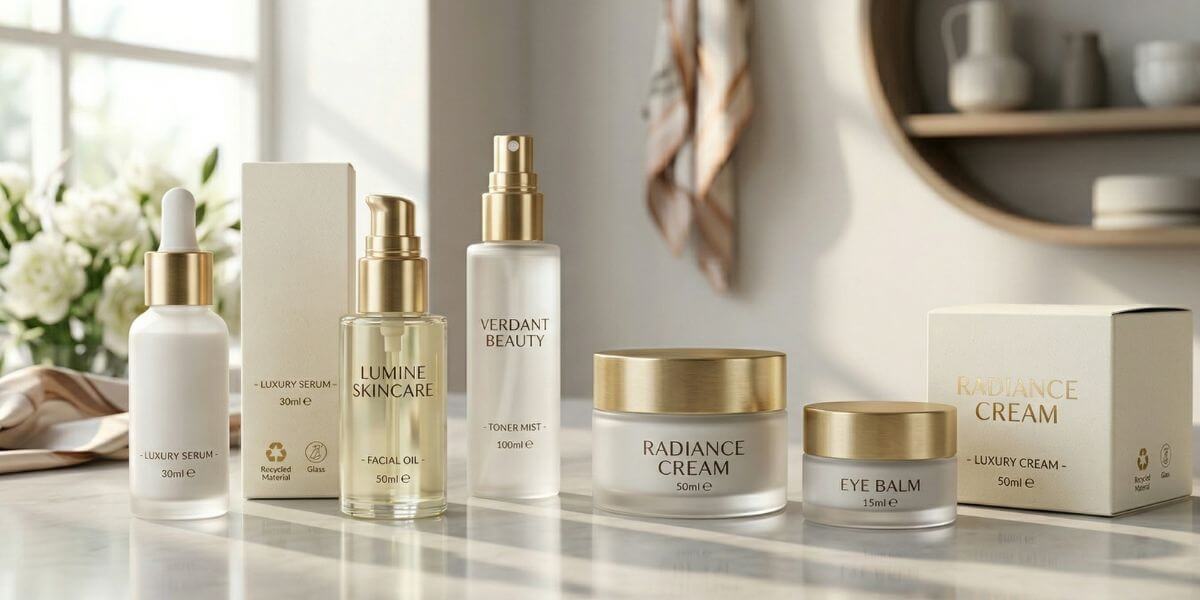
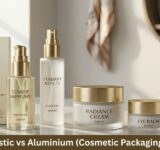
Glass and aluminium are the most widely used sustainable cosmetic packaging materials in the market. Plastic can be recycled and reused, making it another option for the brands. More details on sustainable packaging for cosmetic brands have been shared in this blog.
Glass Packaging For Cosmetics
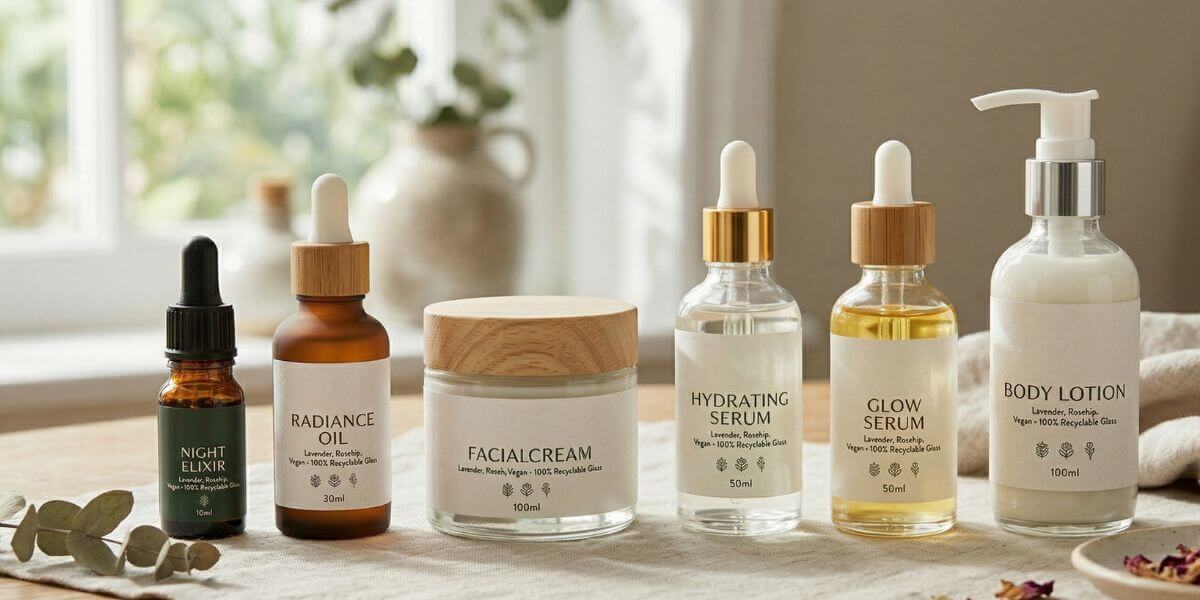
Glass is one of the most common sustainable cosmetic packaging materials. It is widely used for serums, creams, perfumes, hair oils, essential oils, and other products.
Glass packaging adds the premium quality of the products, and as it can be recycled, it also helps brands reflect themselves as eco-conscious. However, not every product can be presented in glass packaging because of budget, fragile nature, product type, and other reasons.
When Does Glass Cosmetics Packaging Work best?
Glass packaging for cosmetics works best for premium cosmetics and oil-based applications. Luxury items for retail, D2C, or spa-specific products can also be packaged in glass. Brands that can afford higher shipping and handling expenses can choose glass as packaging for cosmetic products.
Plastic Packaging For Cosmetics
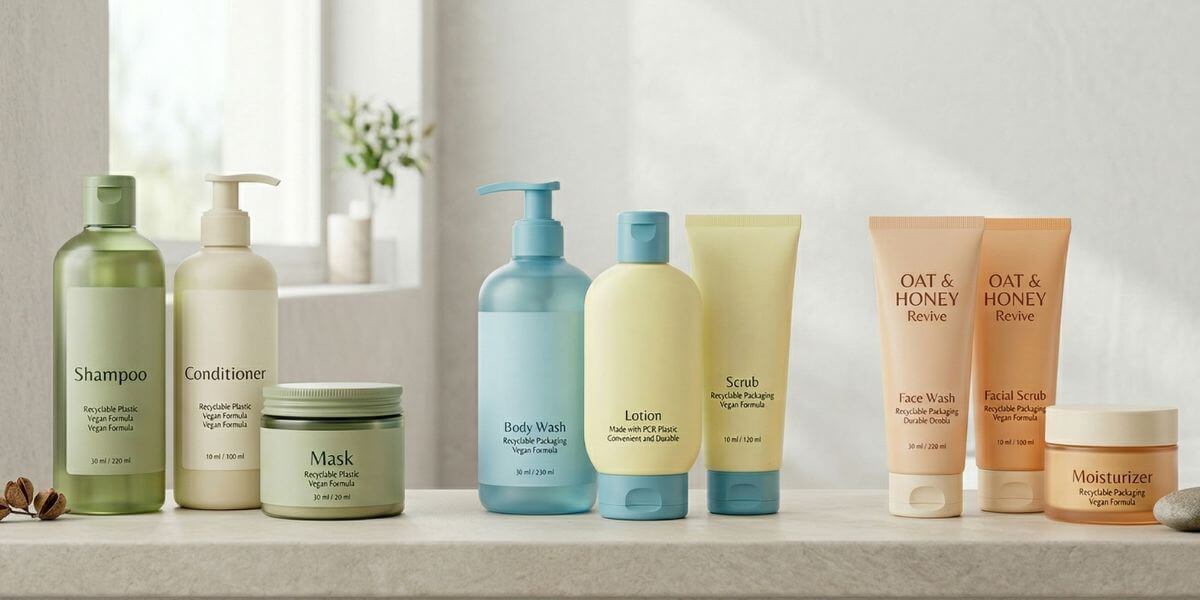
Cosmetic products are often packaged in tubes, jars, and bottles made of plastic. It is cheap, easy to recycle, and also more sturdy and reliable when it comes to shipping. The handling costs of plastic packaging for cosmetics are also quite low because it is lightweight and less prone to breaking.
Moreover, as it comes cheaply, using plastic packaging for cosmetic applications helps brands curtail their production costs. Due to these reasons, plastic is one of the most widely used packaging materials in this sector.
When Plastic Cosmetics Packaging Is The Right Choice?
Plastic packaging for cosmetic products makes sense for those formulated for daily use, families, and other high-volume Stock Keeping Units (SKUs).
Plastic packaging makes the products convenient for handling and is also affordable compared to premium packaging materials like glass. So, when the pricing and convenience are preferred more than premiumness, plastic stands out as a better choice for packaging products.
Aluminium Packaging For Cosmetics
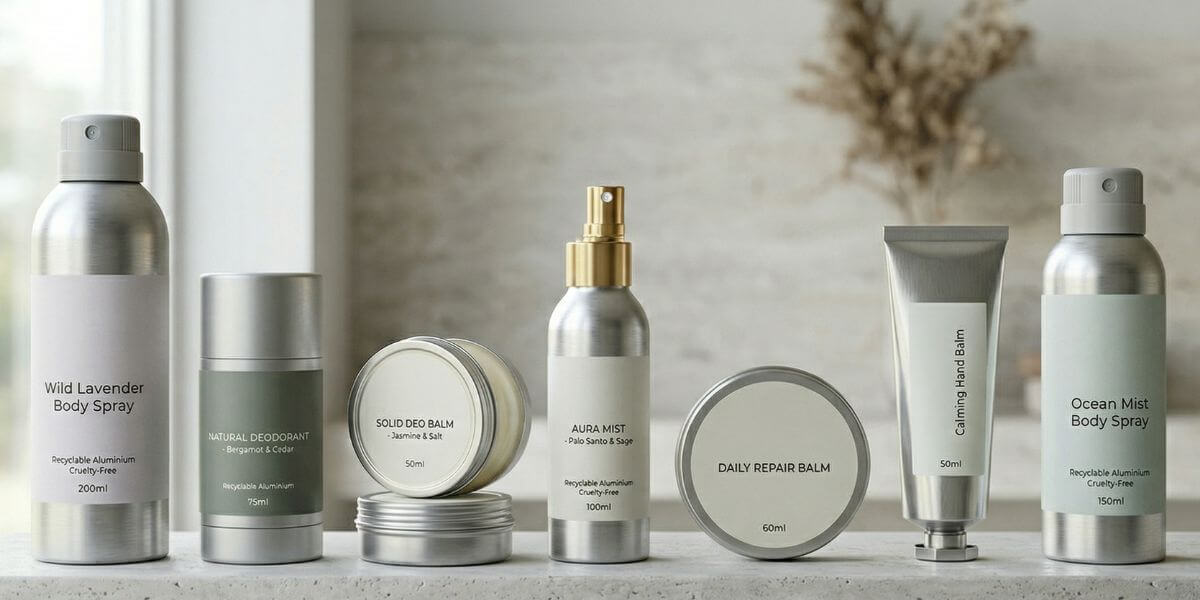
Some brands also use tins, tubes, and containers made of aluminium for packaging their cosmetic products. It is also one of the cheaper cosmetics sustainable packaging options available in the market.
Aluminium is lightweight and can easily be recycled, making it a better option for over-the-counter products. These reasons make aluminium one of the most popular sustainable cosmetic packaging materials for many brands.
When Aluminium Cosmetics Packaging Stands Out?
Aluminium packaging for cosmetics is preferred for the light-sensitive products. It is also recommended for eco-conscious brands and brands that focus on natural applications. Aluminium cosmetic packaging also stands out for brands that require a minimalist look and appeal for their products.
How To Choose Right Cosmetic Packaging Material?
Here are some steps to consider while selecting the right cosmetic packaging material for your brand:
Check Cosmetics Product & Formula Needs
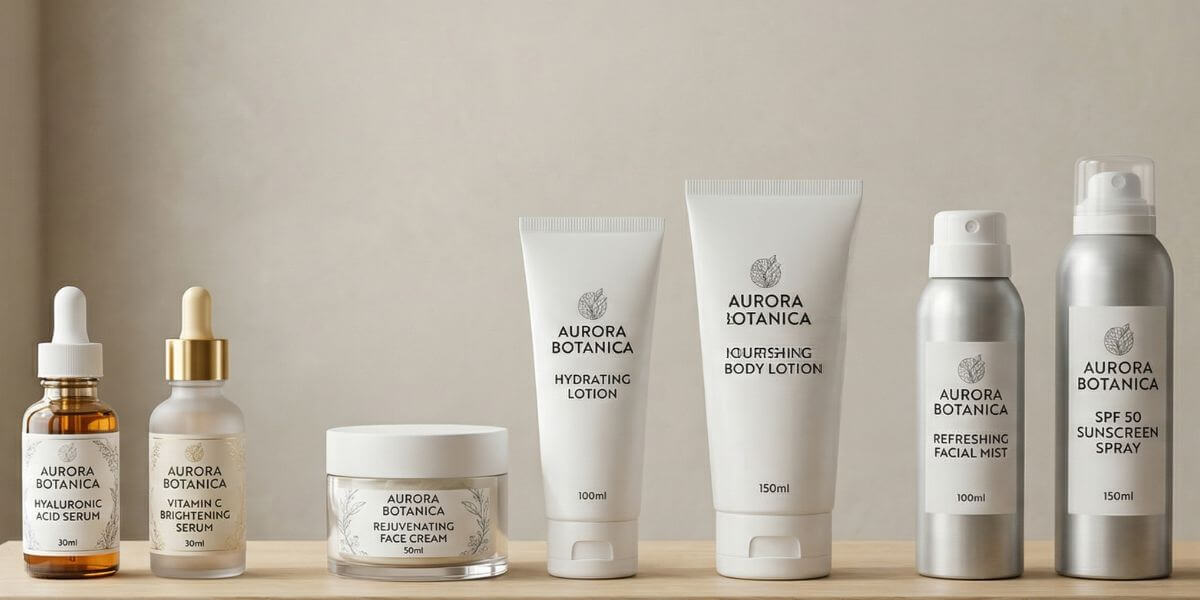
According to the product formula and type, we can choose these cosemtics packaging options for the following products:
- Glass: Premium creams, oils, serums, and light-sensitive formulas mostly come in glass packaging because it does not interfere with their quality, consistency, and effectiveness.
- Plastic: Daily use products such as shampoos, lotions, body washes, and other applications formulated for kids and family often come in plastic packaging.
- Aluminium: Body sprays, mists, deodorants, and products containing light-sensitive and active ingredients are packaged in aluminium.
Match Material To Cosmetics Market & Price Point

Here are the preferred cosmetics packaging formats to use for specific price ranges and markets:
- Glass: Glass packaging for cosmetics is preferred for luxury D2C products, applications formulated for premium hotels, spas, and other premium categories, i.e. higher-priced products.
- Plastic: Cosmetic products manufactured in bulk for pharmacies, supermarkets, and other mass-selling markets or budget D2C applications often come in plastic packaging.
- Aluminium: Minimalistic brands and cosmetic businesses that manufacture products in the premium to mid-premium categories often use aluminium as a sustainable cosmetic packaging material.
Align With Cosmetics Brand Roadmap
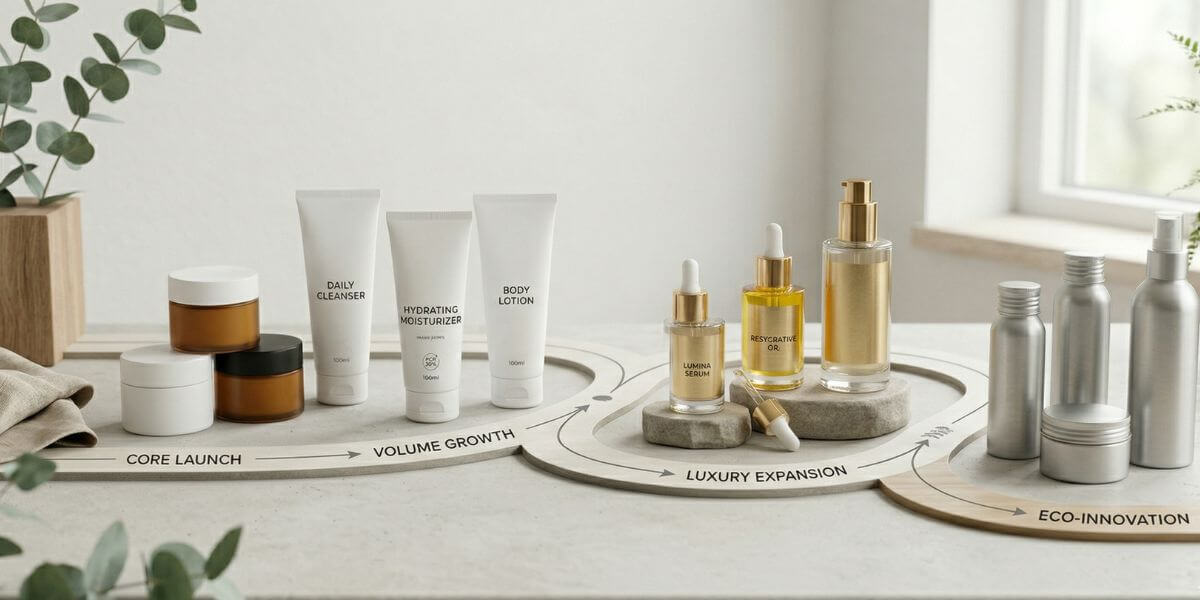
Here’s how using different sustainable beauty packaging materials can help brands align with their roadmap:
- Glass: Glass packaging is often preferred for flagship ranges, top-of-the-line SKUs, and products or kits formulated for gifting purposes.
- Plastic: High-volume SKUs, salon packs, and products formulated for family or daily use often come in plastic packaging.
- Aluminium: Sustainable beauty packaging lines often use aluminium for their futuristic products and refill applications.
Private Label Cosmetic Packaging With Bo International
At Bo International, we provide all types of sustainable cosmetics packaging options, including glass, plastic, and aluminium, for our B2B clients. Our private label cosmetics services let you choose the cosmetics product packaging format that aligns with your brand’s messaging and goals.

We help brands source the right materials and design the cosmetics packaging according to their budget and brand’s positioning in the market. Contact us today to understand more about our sustainable cosmetic packaging materials and customised packaging solutions.
Cosmetic Packaging FAQs
Q1: Which packaging material is best for sustainable cosmetic brands?
A1: Glass packaging material is best for high-end cosmetics products, plastic packaging material is best for daily use personal care products, and aluminium packaging material is best for light-sensitive and minimalist cosmetics brands.
Q2: Can a brand mix glass, plastic and aluminium in one range?
A2: Yes, different products belonging to the same product line can be presented in different cosmetics packaging materials, including glass, plastic, and aluminium. However, the design and labels should be consistent across the product range.
Q3: What is the best option for cosmetic packaging for small businesses?
A3: Small or new cosmetics businesses can start with plastic packaging and can eventually move to glass or aluminium packaging for their flagship offerings.