- 04/11/2026
- Rohit Mishra
More and more consumers are paying attention to labels. They rotate a bottle in the store, look up the unfamiliar names for ingredients, and place things back if something feels off. The shift has transformed “clean beauty” from a packaging fad into something more. Now, for a skincare company that relies on private label manufacturing, it has become a part of the product promise. Clean is not an easy word to define, however.
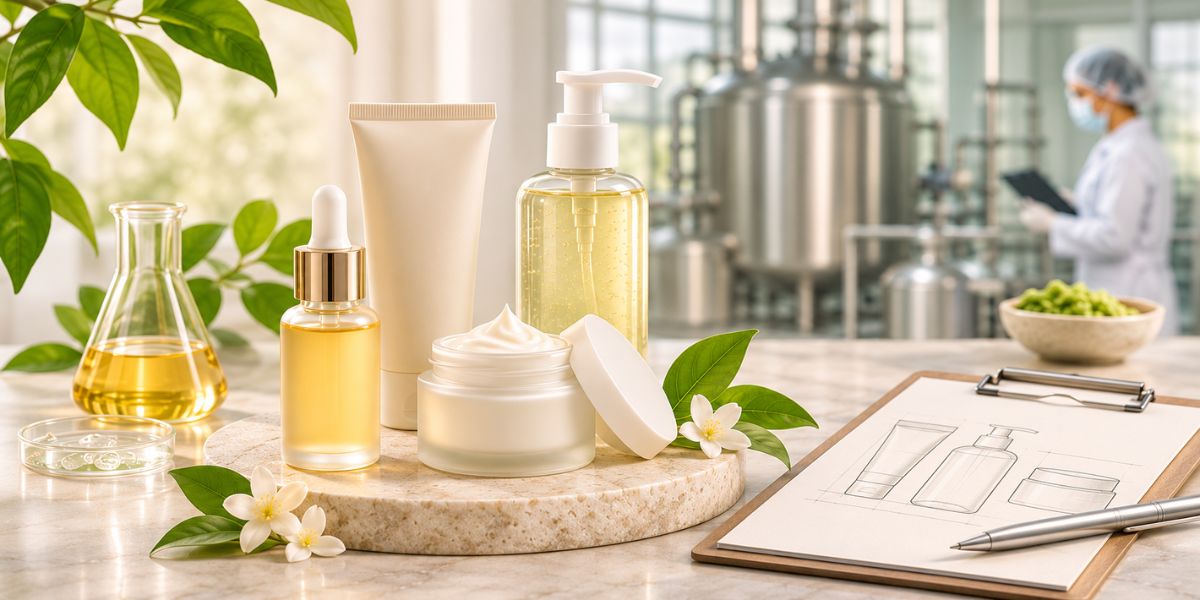
Retailers may have their own restricted-ingredient lists. The term “clean” isn’t on regulators’ radar; the focus is on safety, labelling and truthful claims. And the word can be used to denote anything from “no parabens” to “gentle enough for sensitive skin.”
Therefore, before approaching a manufacturer, define your brand’s definition of clean. What are some ingredients that aren’t allowed? What are the claims that you can substantiate? What records will you be keeping? Your formulas, packaging, and marketing will be based on those answers.
What Does Clean Beauty Mean in the Cosmetics Industry?
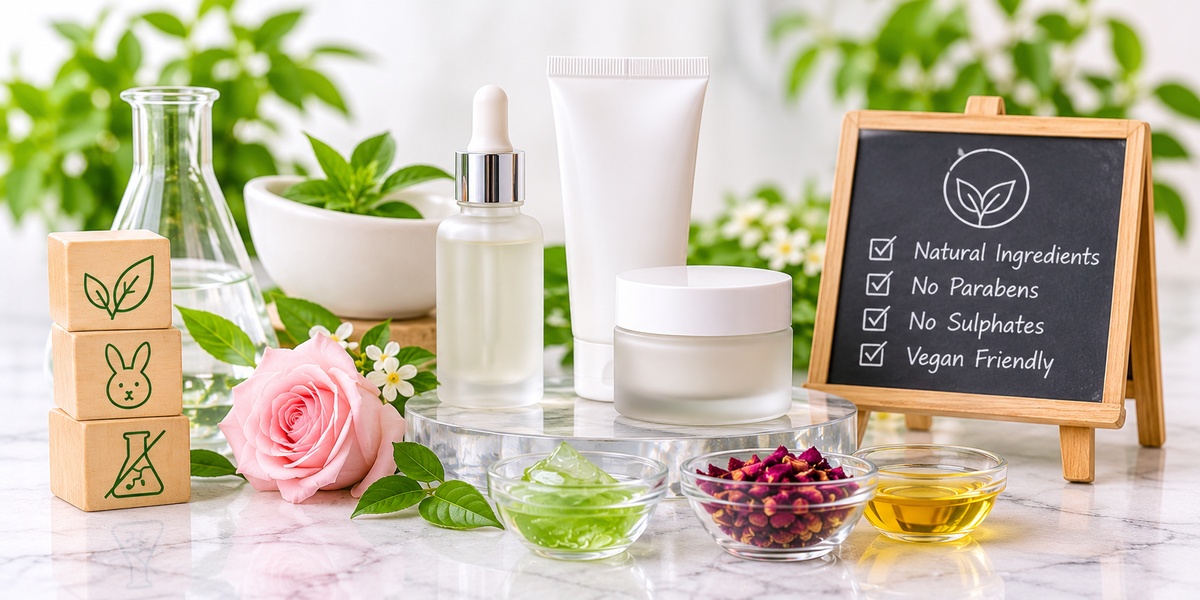
Clean beauty is usually obtained by eliminating ingredients that a brand doesn’t think are necessary, controversial, or harmful to people or the environment. There is no legal definition that is uniform across the country. USFDA doesn’t have a definition for “clean” for cosmetics, which means each brand creates its own standard. But not everything goes.
Cosmetic products must remain safe, correctly labelled, and marketed correctly, except for misleading claims. Vague marketing is also not a tactic that people are falling for these days. They wonder about the contents of the bottle, why it is there, and whether or not the brand is as it says. That’s why many clean beauty brands choose not to contain parabens, sulphates, phthalates and certain synthetic dyes.
It’s helpful to keep the jargon to a minimum:
- Natural: Substances that come from plants, minerals or the natural environment.
- Organic: Products certified with organic farming methods.
- Vegan: Formulas containing no animal ingredients or animal by-products.
What Clean Can Mean for Private Label Beauty Products
Clean is becoming a key factor in private label products, and it can mean different things. Private label is better than purchasing an already-made product and branding it with your name. You have the option to pick the ingredients you’d like to use, which you will prevent, as well as what sort of experience you expect your customer to have.
Start with an ingredient policy.
It does not need to be complicated. A one-page document can list:
- Ingredients you will not use.
- Ingredients you want to prioritise.
- Your position on fragrance and essential oils.
- Texture, packaging, and performance expectations.
- The documentation you expect from suppliers.
What Clean Beauty Does Not Guarantee
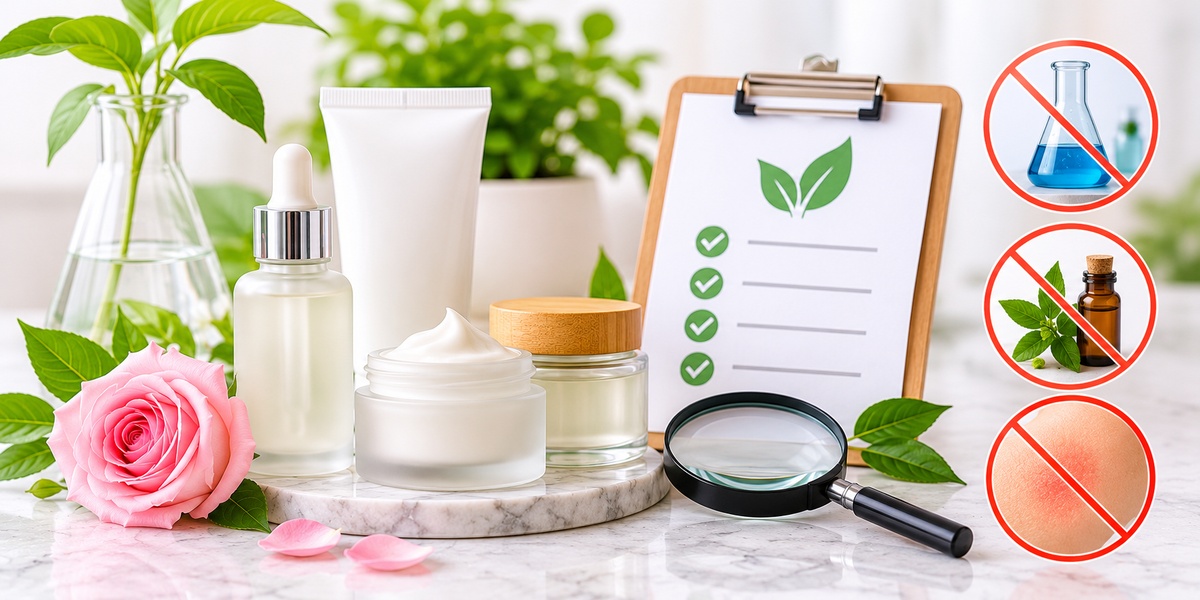
Clean beauty does not automatically mean a product is safer, more effective, or suitable for everyone. It is important to understand that marketing terms alone do not guarantee product quality, safety, or performance.
“Chemical-free” is not a real claim.
The term “chemical-free” is scientifically inaccurate because every cosmetic ingredient, including water, plant oils, vitamins, and preservatives, is made up of chemicals. Instead of using this misleading claim, brands should focus on highlighting the ingredients they use, their sources, and their benefits. This makes product descriptions more transparent, informative, and trustworthy for consumers.
Natural does not always mean gentle
Not everything natural is safe. Essential oils are available that can irritate skin or cause allergies. Meanwhile, a lot of lab-created ingredients are highly refined, stable, and researched. A synthetic humectant or emulsifier may be safer and more effective than a botanical extract that does not have as extensive a safety record. The FDA says the same: It doesn’t mean a product is safe to use, and manufacturers are still responsible for safety if they use natural or organic ingredients.
Clean does not mean hypoallergenic
A product can be clean and yet cause irritation to the skin. The terms “hypoallergenic,” “non-toxic,” and “dermatologist-tested” are not terms that should be used lightly. When making a claim, retain supporting evidence.
Choosing Ingredients for Clean Beauty Private Label Formulations
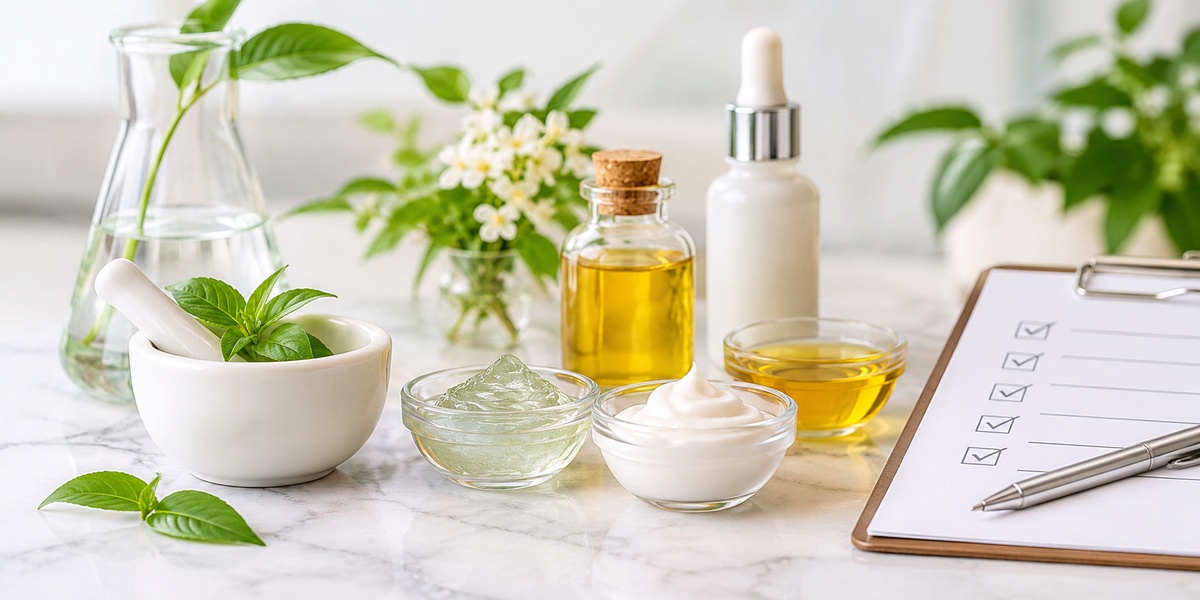
Each of the ingredients should be doing something. Like it could be used to moisturise, emulsify, preserve, stabilise, provide an active ingredient, or even enhance the product’s feel. If it doesn’t do any of those things, then ask what it is doing in the formula, you know. The challenge is on balance. It’s pretty simple to remove an ingredient, but it’s not the replacement of what you removed.
Formulators also ought to consider:
- Separation: When emulsifiers and the processing are not adequate, oil and water can separate.
- Skin feel: The formula might appear good on a sample of skin, but it feels greasy, sticky, or heavy when applied to the skin.
- Packaging: Airless pumps and opaque containers will help reduce exposure of sensitive formulas to air and light.
How to Work with a Clean Beauty Private Label Manufacturer
Before starting product development, share a clear brief with your manufacturer. Explain your target audience, product requirements, preferred ingredients, ingredients to avoid, texture, fragrance, packaging, and budget. Request samples and evaluate their texture, smell, absorbency, and packaging compatibility. Share your feedback so the chemist can make necessary changes.
Also, check the manufacturer’s quality standards, GMP practices, stability testing, and experience with your product category. Working with an established partner like BO International can simplify the process by providing formulation, manufacturing, and packaging services in one place, which reduces the need to coordinate with multiple vendors.
How to Verify Clean Beauty Claims Before Launch
Before launching your products, review all labels and ensure that every claim is supported by proper documentation. Maintain important records such as Safety Data Sheets (SDS), Certificates of Analysis (COA), stability test results, microbial testing, and product safety documents.
Avoid using claims like “vegan,” “cruelty-free,” “organic,” or “dermatologist-tested” unless you have evidence to support them. For products sold in the U.S., cosmetic labels must be honest and not misleading. Claims suggesting that a product treats diseases or changes the skin’s structure or function may classify it as a drug rather than a cosmetic. Under MoCRA, brands must also maintain records supporting product safety.
Common Mistakes to Avoid
- Treating clean beauty as a fixed rulebook instead of defining your own standards.
- Assuming botanical ingredients are always safer than synthetic ones.
- Using vague claims such as “chemical-free” or “non-toxic.”
- Removing preservatives without a proper alternative preservation system.
- Forgetting to share your restricted-ingredient list with the manufacturer early.
- Using certification logos before completing the certification process.
- Ignoring labelling and notification rules in the markets where you sell.
Good documentation may feel tedious, but it is much cheaper than a recall, reformulation, or reputation problem.
How to Build a Clean Beauty Brand with a Private Label Partner?
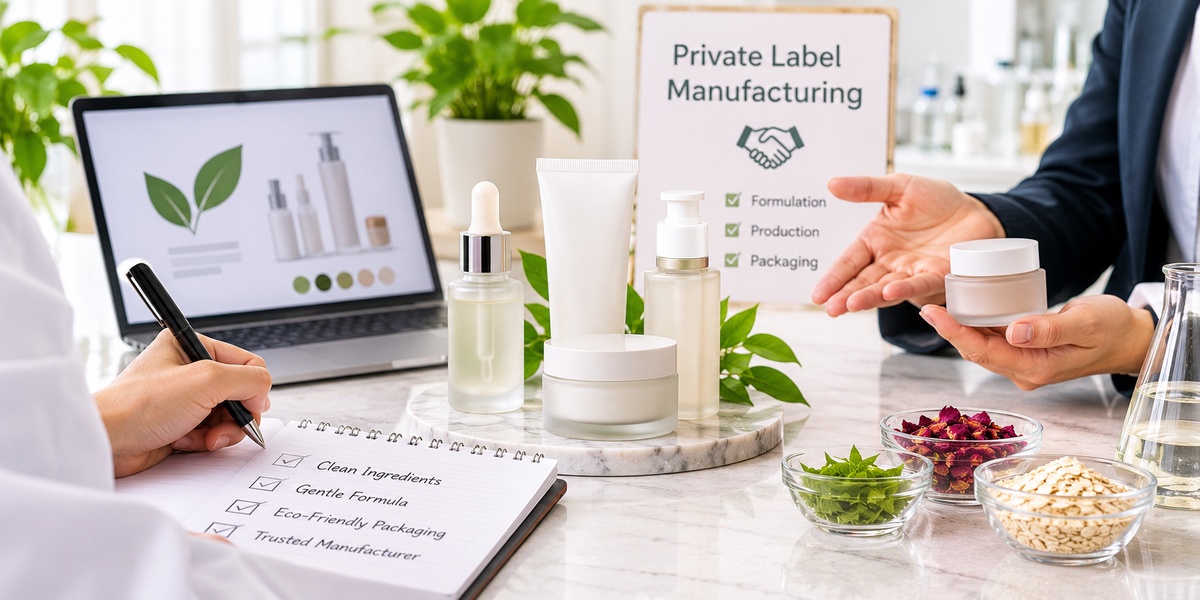
Building a clean beauty brand requires a clear vision, thoughtful ingredient selection, and a reliable private label partner. The right manufacturing partner can help turn your brand concept into well-formulated products that align with your clean beauty goals.
Define Your Brand’s Clean Beauty Positioning
To start, be clear on what clean beauty means to your brand. In simple terms, write out how you would explain it to a customer. Being relatable and personable makes it much easier to understand.
Select Products and Finalize Formulations
Ensure your selected products and locked-in formulations align with your story. Once you have locked your formulations, you will need to work with your manufacturing partner to ensure you know all the specifics of your formulation and any adjustments needed. A good private label partner will be able to help with product selection, some minor alterations, and sampling. Usually, clean beauty product development is faster if your partner knows what ingredients you can and cannot use from the outset. Avoid rushing your timeline with regard to extra time for sample alterations, stability testing, etc. Often, when rushed, you will run into issues with product quality.
Plan Packaging, Documentation, and Product Launch
Once your formulations have been locked in, you can move on to packaging, documentation, and launch dates. A turnkey manufacturing partner can help ensure your packaging works with your formulation, production runs, and regulatory documents. This won’t leave you stuck in the weeds for weeks.
Bo International offers private label and custom formulation services that will ensure a seamless transfer from formulation to production, whether you are launching your first skincare line or looking to expand an existing loved range.
Final Thoughts
Creating a clean beauty private label line is more than just replacing synthetic ingredients with botanicals. It is about setting standards, creating effective formulations, and being able to explain exactly why you have made the decisions you have on your labels. Choose a manufacturer who understands formulation. Be clear with what ingredients you can and cannot use. Ensure you test your product thoroughly and ensure your marketing is as honest as your formulation.
If you are looking to create a clean beauty range, speak to a private label manufacturer about custom formulation, documentation, and production support.
FAQs
1. What is clean beauty private label manufacturing?
It is when a brand works with an outside manufacturer to create skincare, haircare, or cosmetic products under its own brand name, using agreed ingredient and quality standards.
2. Is clean beauty legally regulated?
No. Regulators such as the US FDA do not define “clean beauty” as a legal term. Brands must still follow cosmetic safety, labelling, and advertising rules.
3. Which ingredients do clean beauty brands avoid?
It depends on the brand. Common exclusions include parabens, sulphates, phthalates, and certain synthetic dyes or fragrance ingredients.
4. Can a private label manufacturer create custom clean formulas?
Yes. Many manufacturers can develop formulas around your ingredient preferences, restricted list, product format, and target customer.
5. How do brands support clean beauty claims?
They keep supplier documents, safety data, stability and challenge test results, and evidence for any claims printed on the packaging.