- 31/10/2026
- Rohit Mishra
A small launch can teach you a lot. Maybe your first 1,000 units sold out fast and customers are now asking for more. That is great news and also the point where manufacturing gets harder. Making 50,000 units is not just a bigger version of making 1,000. Consistency, raw material supply, packaging, lead times and costs all behave differently at volume.
That is why a private label or contract manufacturer who can support long-term growth matters so much. If you want to scale cosmetics production without losing quality, early planning makes all the difference. This guide walks through capacity, formulation, sourcing, quality control, costs and communication.
Why Scaling Cosmetics Production Requires a Strategic Plan
Understanding the Challenges of Moving from Small to Large Production Runs
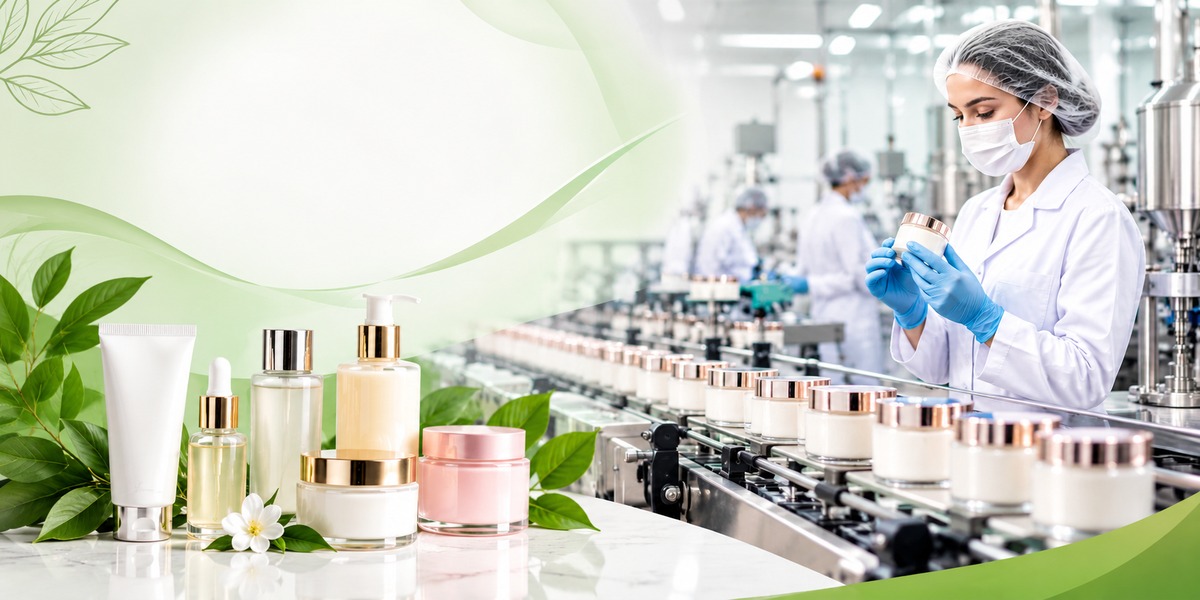
Producing more units is not as simple as multiplying every quantity by fifty. A formula that mixes well in a small batch can behave differently in a large tank. Ingredient orders get bigger, and supplier lead times stretch. Packaging has to be ready before filling starts. Cosmetics production scaling works best when each of these pieces is planned in advance.
Why Manufacturing Capacity Matters for Growing Beauty Brands?
Capacity covers more than machines. It includes production scheduling, labour, raw material procurement and how many other brands share the same lines. A growing brand needs a manufacturer who can meet rising demand without cutting corners on quality. Without that match, even a well-loved product can end up stuck in a queue. Planning ahead also protects your launch calendar, since retailers and customers rarely wait for a delayed restock. That is where a strategy pays off.
Evaluate Your Manufacturer’s Production Capacity
Check Production Capacity and Minimum Order Quantities
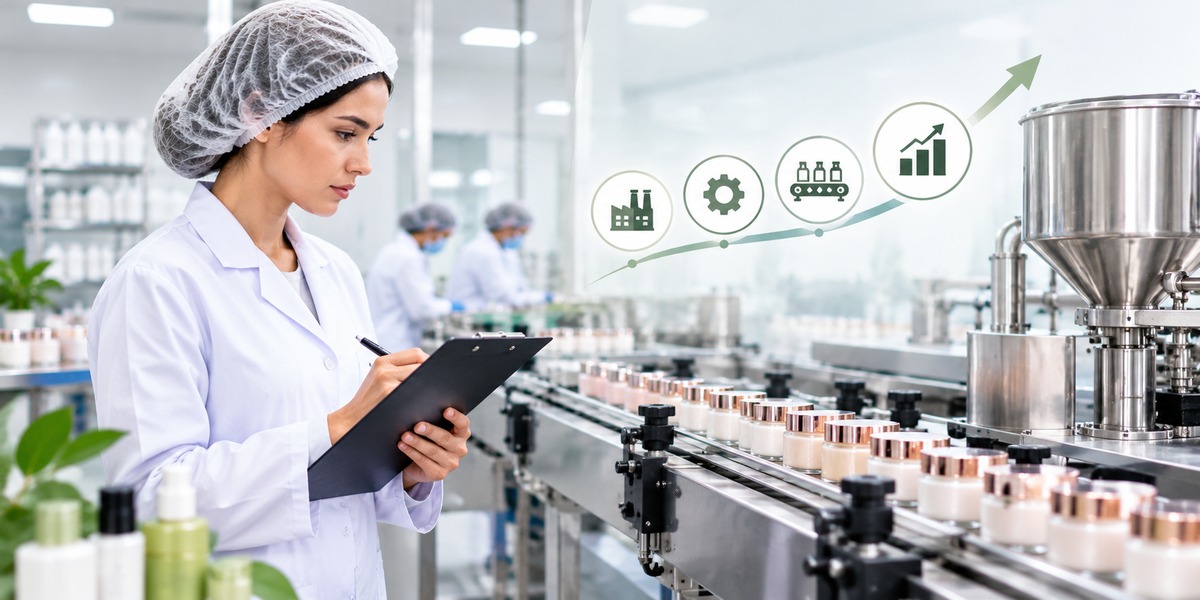
Ask what batch sizes the manufacturer can run and what their minimums look like. A partner comfortable with 1,000 units may not be set up for tens of thousands. A quick call or visit with their team often reveals more than a brochure. Check how many commitments they already have, since a full schedule can delay your next order. Cosmetic manufacturing capacity should match where your brand is heading and not only where it stands today.
Understand Equipment, Lead Times, and Scalability
Look at filling and packaging capabilities and how long a typical order takes from approval to delivery. Ask whether they can reserve space for future orders. That is what makes large-scale cosmetics manufacturing realistic for your brand.
Finalize Your Formulation Before Scaling Up
Consistency matters more with every extra unit. A small variation in one batch is easy to miss. Across 50,000 units it becomes a real problem for customers and for your reputation. Customers notice when a favorite cream suddenly feels thinner or smells different.
Maintain Consistency Across Different Batches
Document the approved formula, specifications, processing steps and quality standards before volumes rise. Written records let any batch be repeated the same way. Without them, results depend on memory and guesswork.
Conduct Stability and Compatibility Testing
Check how the formula behaves over time and how it gets along with its packaging. Large runs can show problems a small batch never did. If you change anything in the formula or process, get it assessed and validated first. Even swapping one ingredient can shift the texture, scent or shelf life. Keep a log of every approved change so your team can trace what happened if a problem appears later. Approvals should come from both sides.
Plan Raw Materials and Packaging in Advance
Larger orders put real pressure on the supply chain.
Forecast Ingredient Requirements for Bulk Production
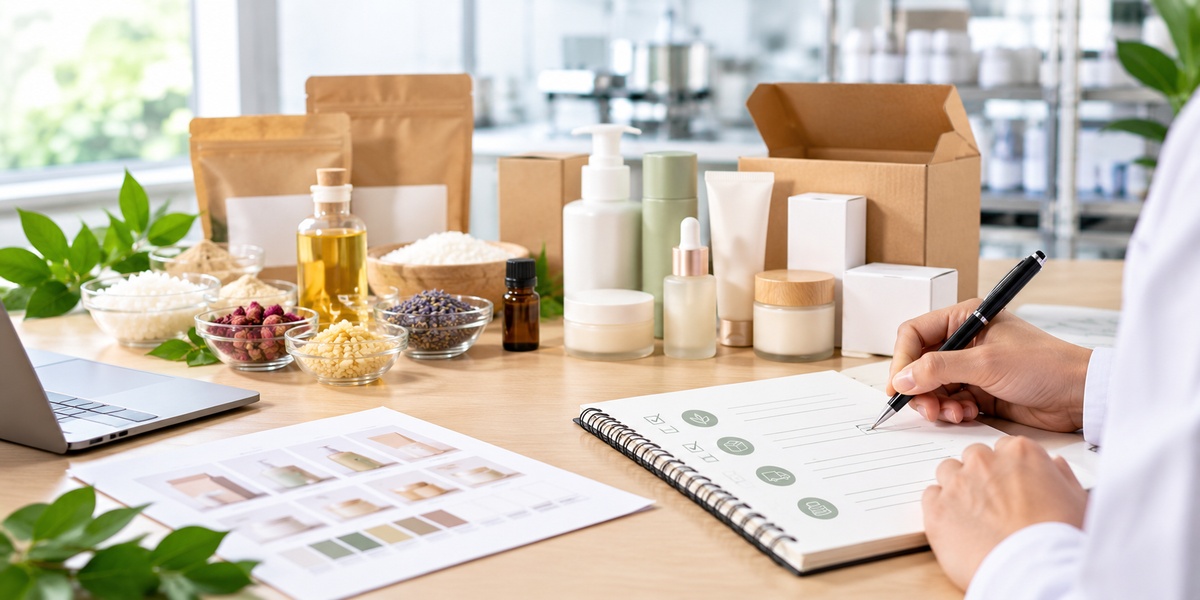
Work with your manufacturer to estimate what you will need over the coming months. Some ingredients have long lead times or high minimum purchase quantities. Bulk cosmetics manufacturing depends on having materials on hand when the production slot arrives. Where it makes sense, line up a backup source in case one supplier falls short.
Secure Packaging Materials and Reliable Suppliers
Bottles, jars, tubes, caps and cartons often take longer to arrive than the formula takes to make. Confirm availability and delivery times early. Keep an eye on inventory so you neither run out nor tie up cash in stock that sits for months.
Inventory planning ties it all together. Review stock levels against your forecast every month and flag items that are running low early. Ask your manufacturer how long they can store materials for you and what that costs. A simple shared tracker can prevent last-minute air freight or rushed substitutions that nobody wanted.
Build a Phased Production Plan from 1,000 to 50,000 Units
This is the heart of the process. Instead of jumping from 1,000 to 50,000 units in one go, move through stages and learn at each one.
Start with a Controlled Production Run
Begin with a smaller batch to validate the product, packaging and customer response. This is the cheapest time to find problems.
Increase Volumes After Reviewing Quality and Demand
Before each step up, check quality results, sell-through and repeat orders. Let real numbers decide the next batch size and not guesswork.
Establish a Production Schedule for Larger Orders
Once demand is steady, agree on a schedule with your manufacturer so materials, capacity and delivery dates line up. A written plan keeps larger orders from becoming last-minute scrambles.
| Production Stage | Units | Main Focus |
|---|---|---|
| Initial launch | 1,000 | Validate product, packaging, and customer response |
| Early growth | 5,000 | Review demand and repeat-order requirements |
| Expansion | 10,000 | Improve sourcing and production planning |
| Growth phase | 25,000 | Coordinate inventory, capacity, and delivery schedules |
| Larger-scale production | 50,000 | Maintain repeatable processes and consistent quality |
Treat these numbers as examples and not rules. Your own stages will depend on your demand forecast, shelf life, working capital and what your manufacturer can handle. After each batch ships, sit down with your manufacturer. Ask what worked and what caused delays, then fix the plan before the next run.
Maintain Quality Control at Every Production Stage
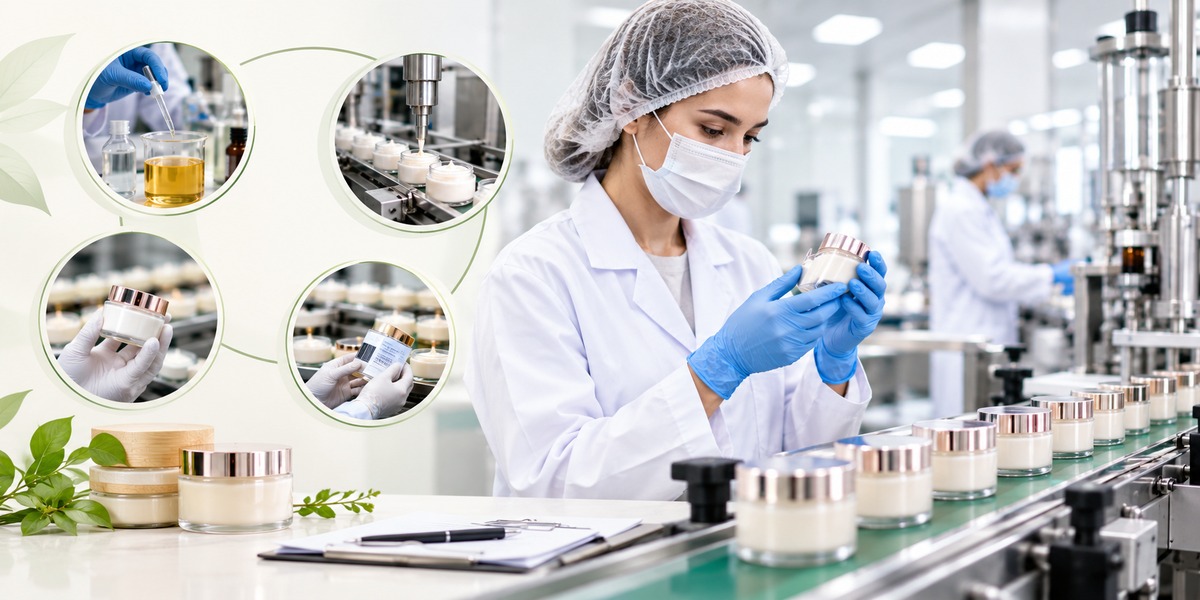
Quality checks should not get lighter as orders get bigger.
Establish Clear Quality Standards and Batch Records
Decide what good looks like for your ingredients, finished products and packaging, and write up a batch record every time you run. That way, if something goes wrong, you can trace the product back to the exact materials used.
Monitor Product Quality Before Release
Check incoming materials, run in-process controls and test finished products before they ship. Inspect packaging too, since a leaking cap or crooked label can undo a perfect formula. Have a clear procedure for handling deviations so issues are logged, reviewed and resolved and not ignored. Strong records also make repeat orders far easier to approve.
Run audits or reviews regularly so small drifts are caught early. Share test results between your team and the manufacturer so everyone sees the same data. When a batch fails a check, hold it until the cause is understood and documented. Rushing a questionable batch to market usually costs more than the delay. Strong quality habits also give retailers and customers more confidence in your brand.
Control Costs Without Compromising Product Quality
Scaling changes your unit economics and your cash flow.
Understand the Cost Differences Between Small and Large Orders
Larger runs can bring efficiencies in materials, labour and setup time. But it would be wrong to assume a 50,000-unit order will always cost less per unit. Actual savings depend on the product and the manufacturing agreement.
Balance Bulk Purchasing with Inventory Costs
Buying in bulk ties up money in materials and storage. Add packaging costs, wastage, freight and payment terms, and working capital can tighten fast. Plan the numbers early so a strong sales month does not turn into a cash problem. A third-party cosmetics manufacturer can help you compare options and set order sizes that fit your budget.
Ask for quotes at several volume levels so you can see where the price actually changes. Some brands find that stepping up in two or three smaller jumps suits their cash flow better than one giant order. Review the numbers again after every production run, since material prices and freight rates can shift.
Strengthen Communication with One Manufacturing Partner
Good coordination matters when a brand and a manufacturer grow together.
Agree on Forecasts, Timelines, and Reorder Points
Send your manufacturer a forecast that you update as things change, so they can order materials and hold space for you. Put every order in writing, and settle delivery dates and reorder points early. A regular review keeps everyone aligned.
Define Responsibilities and Escalation Processes
Agree early on who keeps the quality records, who approves changes and who picks up the phone when a batch is late. Using a single manufacturer has its risks, so line up a second supplier for your key materials, just in case.
Keep a short list of key contacts on both sides, including someone who can make decisions quickly. Set a regular call, even monthly, to look at upcoming orders, open issues and supply risks. When something goes wrong, a clear escalation path saves days. Honest and early updates from both sides build the trust that long-term growth depends on. It also makes negotiations smoother when volumes rise.
Common Mistakes to Avoid When Scaling Cosmetics Production
Watch out for these common slips when your orders start to grow:
- Increasing production without validating demand. Big batches of slow sellers eat cash and shelf space.
- Changing formulations without proper assessment. Even small tweaks can change stability, scent or feel.
- Underestimating raw material and packaging lead times. Waiting on a single cap can stall a whole order.
- Overlooking quality checks during larger production runs. Volume is exactly when checks matter most.
- Placing large orders without evaluating cash flow and storage. Stock needs money and space long before it sells.
- Failing to establish clear production timelines with the manufacturer. Vague dates lead to missed launches and unhappy retailers.
How to Choose a Cosmetics Manufacturer That Can Grow with Your Brand?
The right partner brings more than machines. Look for a cosmetics manufacturing company with production capacity and flexibility, formulation expertise, quality management and regulatory support. Ingredient and packaging procurement, clear communication and transparent lead times matter just as much. They should also be ready for your next product and not only the current one.
Bo International offers cosmetic contract manufacturing, private label and custom formulation services, with an in-house R&D team and a GMP and ISO-certified facility. As a private label cosmetics manufacturer, it can support brands from early launches through bulk production.
Having cosmetic manufacturing services such as packaging support under one roof also cuts down on hand-offs between vendors. Whichever partner you choose, ask for samples, a clear quote, and realistic timelines before you commit. Take a look at the relevant contract manufacturing, private label and custom formulation pages to see how each service works. A manufacturer that grows with you saves the time and risk of switching partners halfway.
Conclusion
Growing from 1,000 to 50,000 units takes coordinated planning across production, formulation, sourcing, quality control, costs and demand forecasting. No single step can carry the whole process. Brands that move in stages, document their formulas and keep communication open tend to scale with fewer surprises.
The right manufacturing relationship can help you expand while keeping your product consistent and your deliveries reliable. If you are ready to explore contract manufacturing, private label or custom formulation, take a look at what Bo International can offer your brand. Start small, learn fast and keep every decision backed by data. That approach protects both your budget and your reputation.
FAQs
1: How do you scale cosmetics production from 1,000 to 50,000 units?
Forecast demand and check capacity first. Then validate the formula, plan materials and grow in phases with the same quality checks every time. That is how you scale cosmetics production smoothly.
2: Can one cosmetics manufacturer handle production for a growing beauty brand?
Yes, if it has the capacity, equipment, product expertise and sourcing network to keep up. Ask how reliably it can schedule your repeat orders as volumes grow.
3: Does increasing cosmetics production reduce the cost per unit?
Not always. Bulk buying and efficiencies can help, but packaging, storage, financing and wastage add cost too. Savings depend on your product and your agreement.
4: How can brands maintain product consistency during large-scale cosmetics manufacturing?
Stick to approved specifications, document every process and keep batch records. Testing and the same quality checks on every run help each batch match the last.
5: How far in advance should a brand plan a large cosmetics production order?
It depends on the formula, raw material and packaging lead times, testing and the manufacturer’s schedule. For large orders, start planning a few months ahead.