- 28/10/2026
- Rohit Mishra
Choosing from the emerging beauty trends of 2027 brings more than hype. Smart brands weigh consumer demand, category growth, product differentiation, price positioning and whether a product can be made at a sensible cost. The market offers a solid starting point.
According to Circana, US prestige and mass beauty sales each grew 7% in the first half of 2026. That gives brands real data to plan around. This article looks at the beauty products to launch in the USA when planning your next product release.
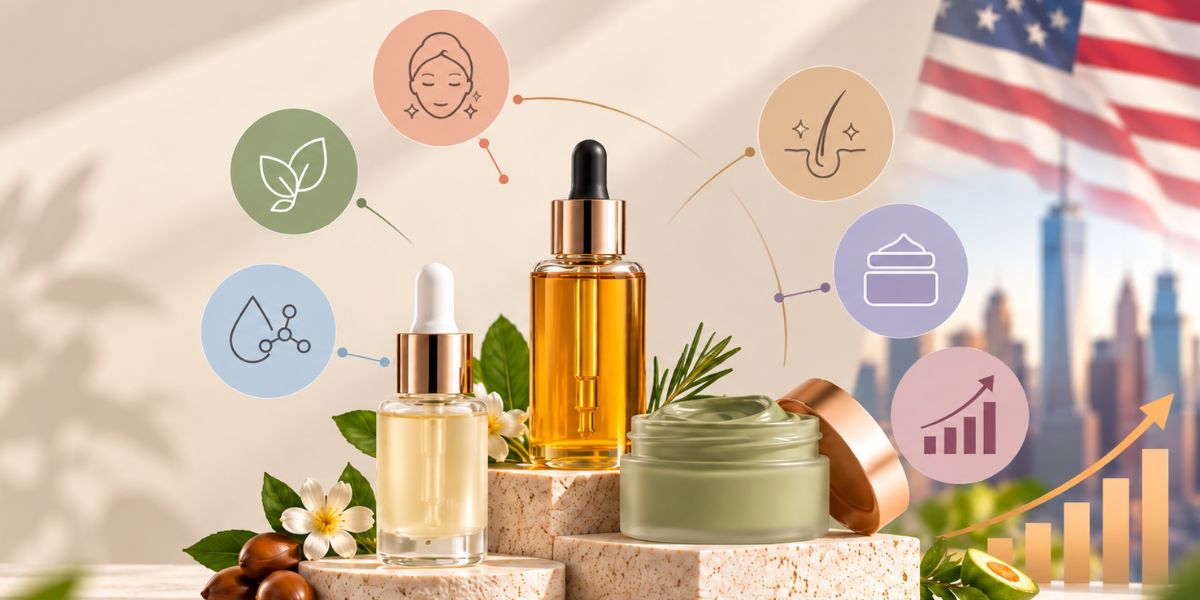
What USA Beauty Brands Should Look for Before Launching in 2027?
Before committing to a product, ask these questions:
1. Is the category showing steady demand and not just a short spike?
Yes, if people keep coming back to it. You want a product backed by steady, year-round sales and daily habits, not a viral social media trend that fades in a few months.
2. Can the product stand apart from what is already on shelves?
Yes, if you bring something fresh to the table. Give shoppers a clear reason to switch, whether through better performance, cleaner ingredients, smarter packaging, or a unique brand story.
3. Will customers buy it again?
Yes, if it easily becomes a daily favourite. People naturally restock products that deliver visible results, feel great to use, and run out every month or two.
4. Can it be formulated and made at a workable cost?
Yes, if your margins leave room to grow. Make sure your total costs for raw ingredients, packaging, and factory runs leave enough profit on the table to keep the business healthy.
5. Does the price suit your brand and your sales channel?
Yes, if it hits the sweet spot for both you and your buyers. The price tag should feel completely worth it to your customer while leaving enough room to cover store markups, shipping, and marketing.
Honest answers. Shoppers now care about value, performance, personalization and targeted solutions. McKinsey also points to digital channels, especially social commerce, as a major force in how people discover and buy beauty.
Scalp Care: A Strong Product Development Opportunity
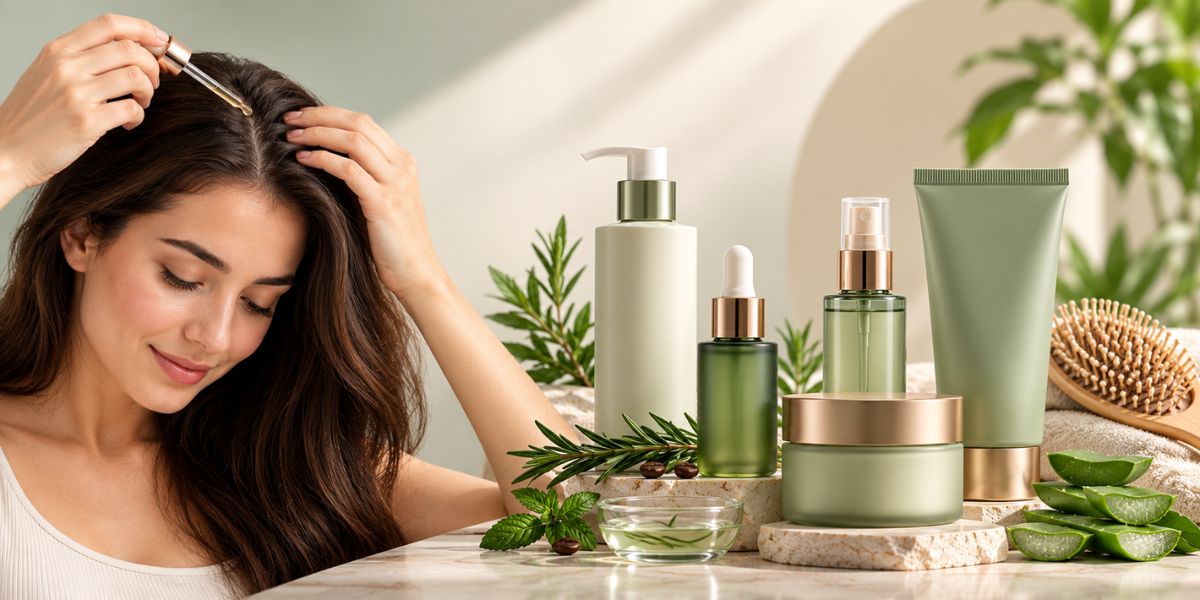
Skinification of haircare means treating the scalp with the same care as facial skin. There is a growing demand for products that contain active ingredients to address issues such as thinning hair, dryness and oiliness, creating new opportunities in the field of scalp serums, oils and treatments. Hair care sales rose 11% during the first half of 2026, while hair serums increased by almost 60%, according to Circana.
A scalp care line could include these products:
- Scalp Serum: A lightweight leave-on treatment that targets specific scalp concerns and fits easily into a daily routine.
- Scalp Oil: A richer option for shoppers who like a ritual-style treatment and a good place to tell an ingredient story.
- Pre-Shampoo Treatment: Used before washing, this step prepares the scalp and adds a second reason to buy within the same range.
- Hair Mask: Circana notes that masks posted healthy gains in prestige hair care, which shows there is real appetite for deeper treatments.
- Leave-In Treatment: An easy daily step that keeps customers using the brand between washes.
One hero product can grow into a full routine. From there, you can play with textures, fragrance profiles, ingredient stories and packaging formats, which keeps trending beauty products for brands feeling fresh.
Targeted Skincare Instead of Generic Skincare
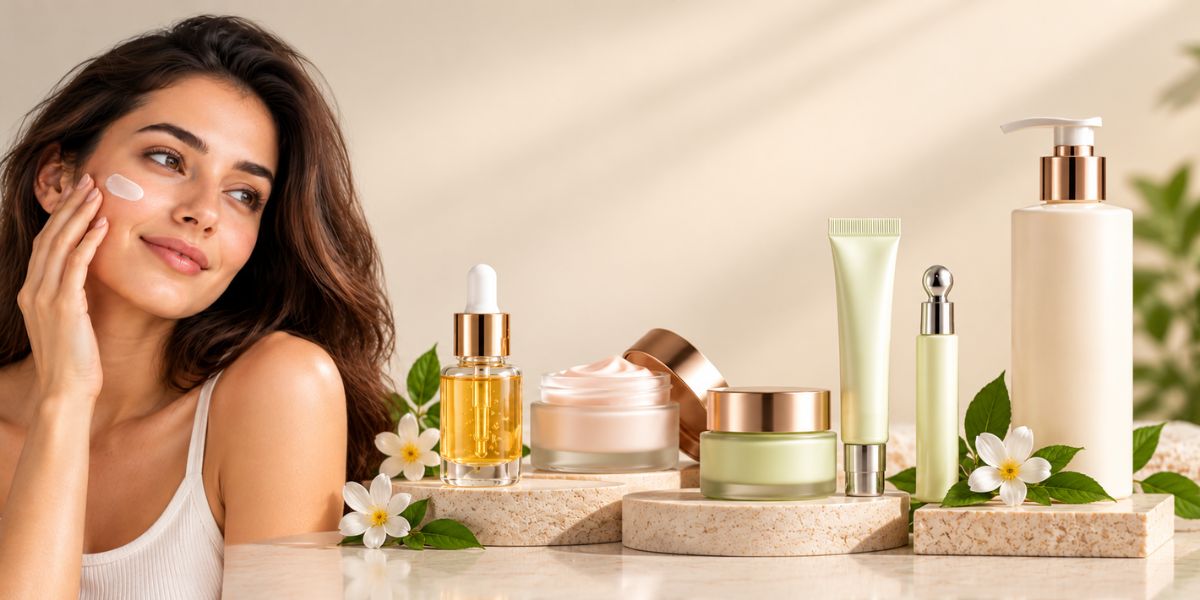
Another generic moisturizer or cleanser is hard to sell. Specific-use products give shoppers a clear reason to buy. Prestige skincare grew 9% in the first half of 2026, per Circana, and body care and sun care did even better at 16% and 19%. McKinsey adds that people are happy to try cheaper brands if the results show.
These are the product types worth considering:
- Facial Serums: Concentrated formulas built around one concern, such as dullness or dryness, give shoppers a clear purpose for buying.
- Barrier-Focused Moisturizers: These speak to people who want comfort and protection and not just hydration.
- Eye-Care Products: There is a solid growth in eye treatments, which shows shoppers are willing to pay for a focused solution.
- Body Treatments With prestige body care up 16%, this is a category that deserves more attention from new brands.
- Targeted Skincare Routines: A short set built around one concern, such as a three-step barrier routine, makes it easier for customers to buy more than one item.
Whatever you launch, plan for proper testing and substantiated cosmetic claims for the US market.
Multifunctional Beauty Can Help Brands Build Smarter Product Lines
Multifunctional beauty products are a good option for shoppers who want convenience without spending more on separate products. This includes tinted skincare that adds coverage and hydration, lip color that also nourishes the lips, makeup with skincare benefits, multi-use balms for lips and dry skin, and hair treatments that help with styling. These products make daily routines simpler and offer better value for money. For brands, they also create a chance to stand out in a crowded market, as long as the formulation genuinely delivers the benefits it promises.
From Market Trend to Launch-Ready Product
Market opportunity → Product concept → Ingredient selection → Custom formulation → Sampling → Testing → Packaging → Labeling → Manufacturing → Distribution
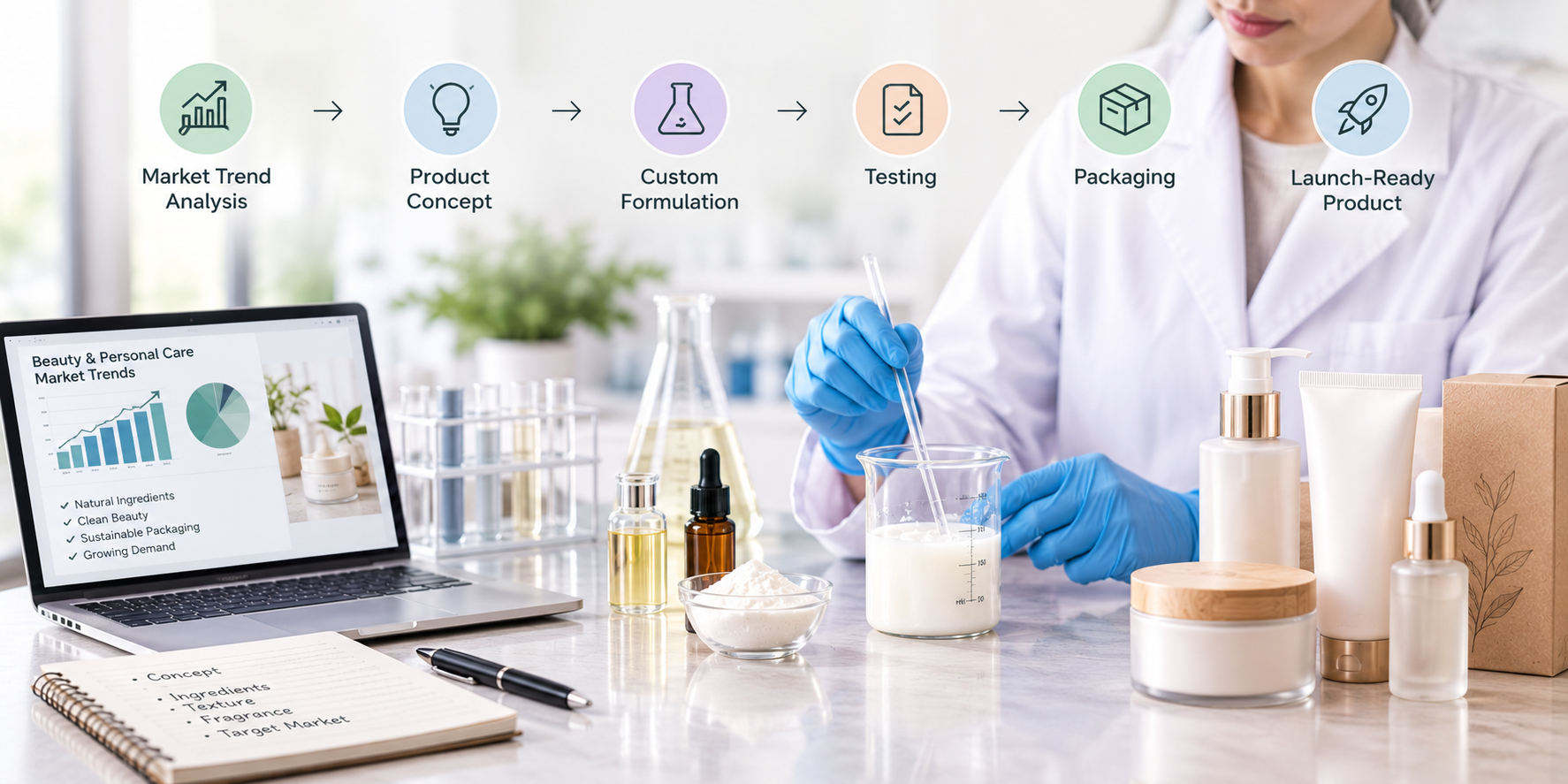
- Market Opportunity – Start by understanding what customers are looking for and which beauty trends are gaining attention. Look at competing products and identify what your brand could offer differently.
- Product Concept – Decide what you want to launch and who your customers will be. Think about the problem the product solves, its main benefits and why someone would choose it over other options.
- Ingredient Selection – Choose ingredients that suit your product and its intended purpose. Consider their benefits, safety, availability and cost before finalising your selection.
- Custom Formulation – Work with a formulation team to develop a product that matches your idea. This may involve adjusting the texture, fragrance and ingredients until the formula meets your expectations.
- Sampling – Test a few samples before settling on the final product. Check how the product feels, smells and performs, and make changes wherever needed.
- Testing – Before launching, check that the product is safe, stable and performs as expected. Any claims about its benefits should also be supported by appropriate testing and evidence.
- Packaging – Choose packaging that protects the product and is easy for customers to use. The design, size and material should also fit your brand and budget.
- Labeling – Prepare labels with important details such as ingredients, directions for use and relevant warnings. Make sure the labeling follows the cosmetic regulations of the market where you plan to sell.
- Manufacturing – Once everything is approved, move to production. Choose a manufacturer that can maintain product quality, meet your order requirements and support your plans as the brand grows.
- Distribution – Finally, decide how customers will buy your product. This could be through your website, online marketplaces, retail stores or distributors. Plan your inventory and shipping so orders reach customers on time.
Businesses can choose from three options based on their needs, budget and launch plans
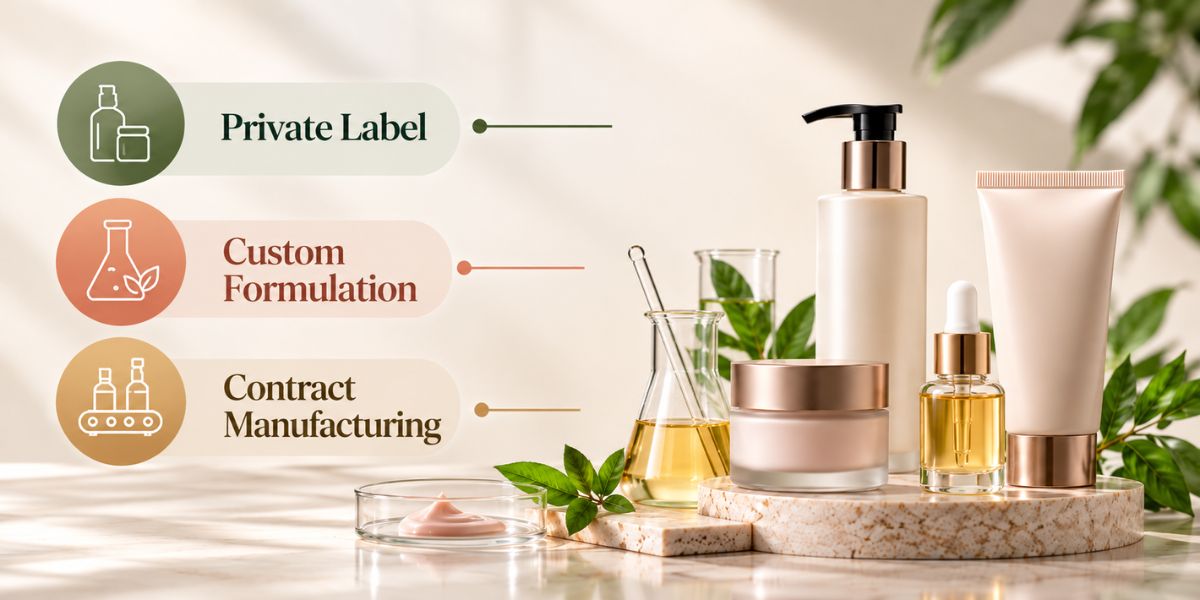
- Private Label Formulations: Choose from ready-made formulas to get your products to market faster. You can add your branding and select suitable packaging.
- Custom Formulation: Develop a product that fits your brand’s needs. This option lets you work on the ingredients, texture and benefits to create something different from competitors.
- Contract Manufacturing: Work with a manufacturer to produce your products in larger quantities. It’s a practical choice for brands looking to scale production and meet growing demand.
Bo International is a manufacturing partner offering private label, contract manufacturing and custom formulation services. From formulation and packaging support to bulk production, the team supports brands at every stage, backed by an in-house R&D team and a GMP and ISO-certified facility. For brands exploring private label beauty products USA shoppers want, this can shorten the road from trend to shelf.
FAQs
1. What beauty products should brands launch in the USA in 2027?
Skincare and scalp care are easy places to begin. Targeted treatments and multifunctional products make sense too. Circana saw prestige skincare and hair care both grow in the first half of 2026, so that is where shoppers are spending.
2. Which beauty categories are growing in the US market?
Fragrance is the big mover in mass beauty. Circana reports it grew 15% in the first half of 2026. Over in prestige, skincare is up 9%, and hair care is up 11%. Anyone following private label beauty product trends should keep these three close.
3. How can brands identify a profitable beauty product opportunity?
Look at steady demand, repeat-purchase potential and room to stand apart from competitors. Then check that the product can be formulated at a cost that still leaves a healthy margin.
4. What is the difference between private label and custom formulation for a US launch?
Private labelling uses a ready-made formulation, which speeds up launch and lowers development effort. Custom formulation creates a unique formula for your brand. For private label cosmetics, USA brands often start with the first and move to the second as they grow.
5. How can a beauty brand find a manufacturer for the US market?
Don’t just go with the first name you find. Find out what they cover, what their minimums look like and how long things take. Ask about testing too. And always order a sample before you sign off on anything big.
6. What factors should brands consider before launching a beauty product in the USA?
Consider demand, differentiation, price positioning and compliance with US cosmetic rules. Think about how customers will discover the product too, since McKinsey notes that digital and social channels now shape much of beauty shopping.
7. Which beauty categories offer the most opportunities for private label brands in the US market?
Hair care, skincare and body care are strong candidates. Circana reported that prestige body care grew 16% and sun care 19%, and a private label cosmetics manufacturer USA brands trust can adapt formulas to fit these categories.
8. How can a beauty manufacturer help brands turn US market trends into new product launches?
A manufacturer can review trend data with you, suggest suitable formulations and handle sampling, testing, packaging and production. Contract cosmetic manufacturing partners also help scale up once a product proves itself.