- 23/12/2025
- Rohit Mishra
Both contract manufacturers and third party manufacturers provide manufacturing services to the cosmetic brands. When it comes to contract manufacturing, brands usually formulate the products, provide the necessary raw materials, and do the research work on their own. A contract manufacturing company only manufactures the cosmetic products as per a brand’s specific requirements.
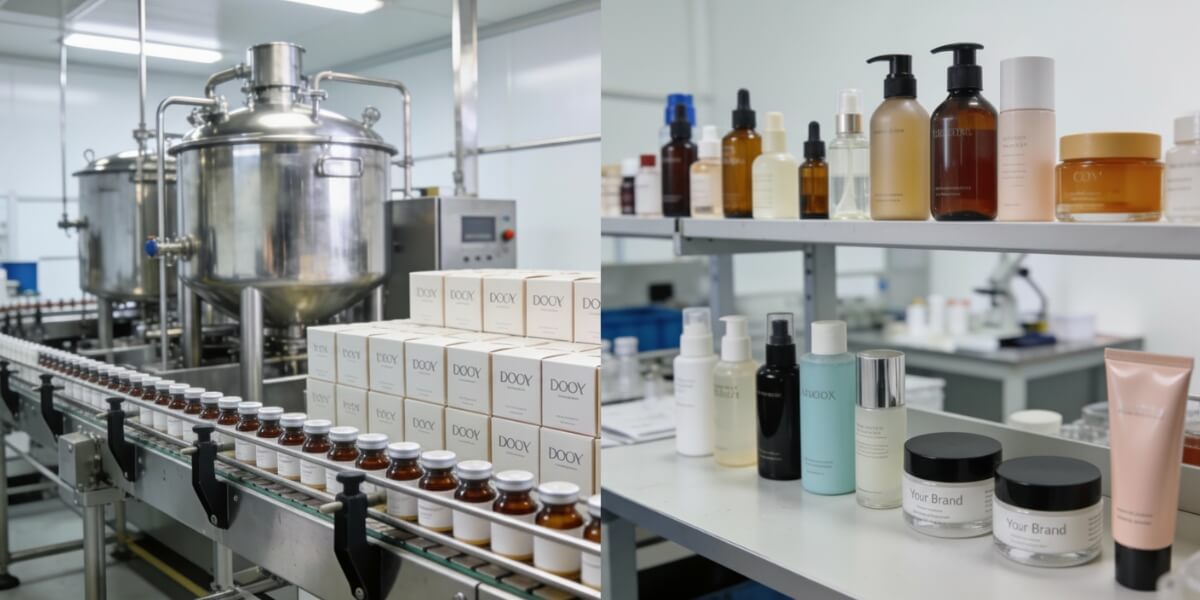
A third party manufacturing company manages everything on their own. They manage the formulation, ingredient procurement, quality checks, and packaging on their own. Brands can choose any of these manufacturing services as per their requirement and capabilities. More insights on the differences between these cosmetic manufacturing services have been provided in this blog.
What Is Third Party Manufacturing In Cosmetics?
Third party manufacturing involves outsourcing the manufacturing completely to a 3rd party manufacturing organisation. Cosmetic brands do not need to provide any formulation, ingredients, or other instructions to a third party manufacturer.
The third party manufacturer handles everything on their own, which also includes testing and packaging services. So, small to medium-sized brands, including startups, regional brands, and businesses looking to expand their product categories, find third party manufacturing feasible.
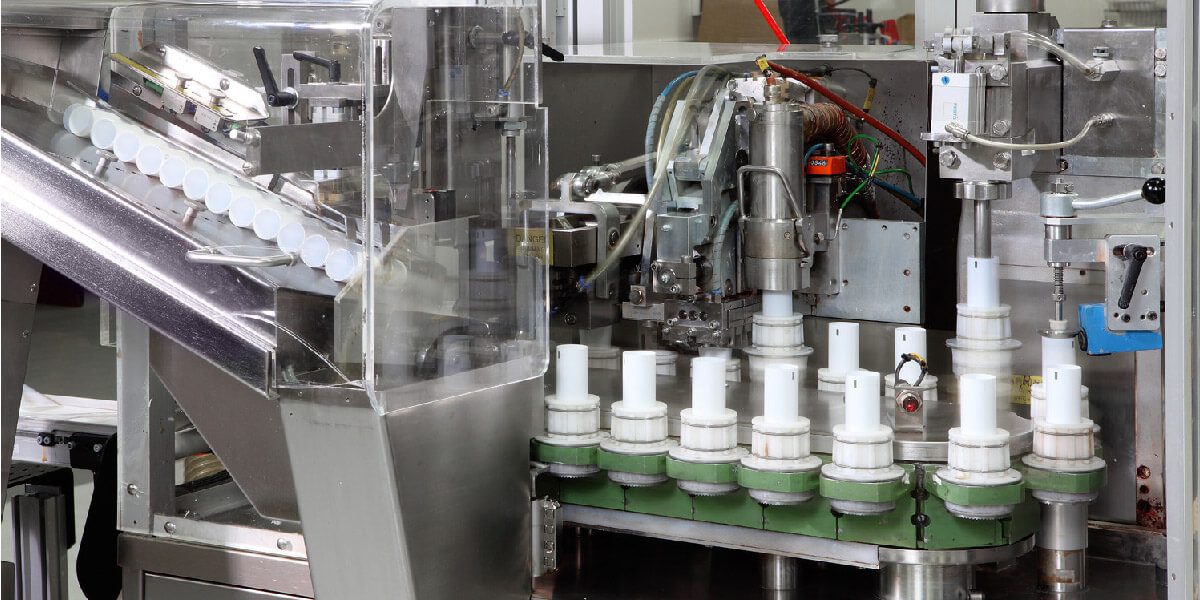
Third party manufacturers support them at every phase of production, which automatically lowers the capital expenditure of the brands and helps them launch their products at a faster rate. Third party manufacturers have their own infrastructure, and this allows cosmetic brands to start their business without setting up huge manufacturing or testing plants.
What Is Contract Manufacturing in Cosmetics?
Brands collaborate with contract manufacturers to meet their bulk production requirements. It gives them complete control over product formula, packaging design, and specifications.
A contract manufacturing company takes care of the regulatory compliance and manages the production rate as per the demand of its clients. Contract manufacturers have to offer better customisation, technical support, and a fixed production scale. Therefore, brands looking to scale their production, brands operating in multiple product categories, and exporters find their services beneficial.
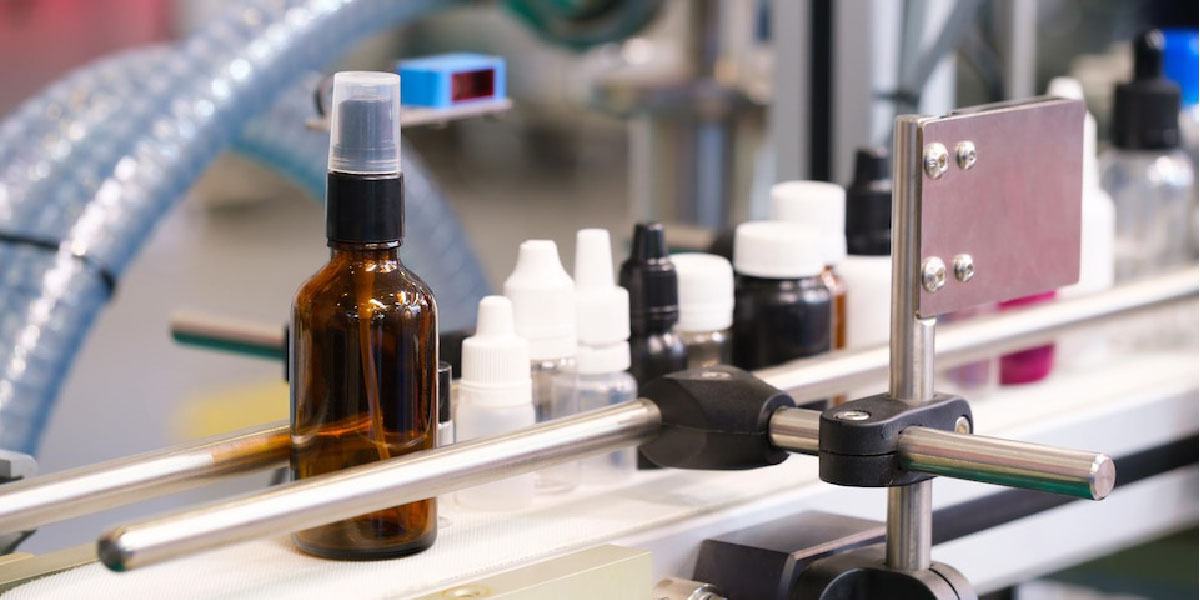
However, the clients also have to manage the compliance and raw material procurement on their own. So, cosmetic brands that have the expertise to formulate, source the materials, and handle compliance can collaborate with a contract manufacturing company.
Key Differences: Third‑Party vs Contract Manufacturing
Now, let’s focus on the key differences between third party manufacturing services and contract manufacturing services:
Control & Customisation
A cosmetic brand has to manage the production formulation, packaging, and quality standards on its own after collaborating with a contract manufacturing company. Third party manufacturing firms provide these services and reduce the overall burden on the brand.
Minimum Order Quantities & Scalability
Both contract and third party manufacturers offer pilot batch runs. This allows the brands to test their product on the basis of quality, safety, and specifications. Once the brands confirm, they also support long-term production as per their requirements.
Cost Structure & Risk
Contract manufacturing attracts a higher per-unit cost due to customisation and the need to protect the rights associated with the product formula. As third party manufacturing indulges in bulk production, the per-unit cost is relatively lower.
Which Model Is Right For Your Cosmetic Brand?
Consider these factors while determining which manufacturing model suits your cosmetic business:
1. Brand Stage
Small brands, emerging businesses, and startups often prefer third party manufacturing because they do not want to bear the costs associated with formulation, packaging, and shared facilities. Large companies often prefer contract manufacturing services because they have their own facilities and expect greater control over all the production aspects.
2. Product Roadmap
Brands that want their entire range to be manufactured often collaborate with third party manufacturing companies. On the other hand, brands requiring help with a few products and Stock Keeping Units (SKUs) prefer working with contract manufacturing companies.
3. Export Plans & Compliance Needs
Brands expecting compliance support and export plans usually work with third party manufacturers. Those who don’t require these services usually manage their manufacturing requirements with the help of a contract manufacturing company.
How Bo International Supports Both Models?
Considering the specific services and benefits of contract manufacturing and third party manufacturing, Bo International offers both options to its clients. With flexible Minimum Order Quantities (MOQs) and third party labelling services, Bo International accommodates every need of its clientele.

Want to know which services are better for your cosmetic brand? Contact Us today and share your requirements, and you may also seek our consultation before proceeding further!