- 03/10/2026
- Rohit Mishra
The beauty or personal care brand is growing faster than ever. Many firms are opting for beauty brands for international customers because skincare, haircare, and wellness goods are popular worldwide. Growing internationally can help to increase revenue, brand awareness and long-term success. But exporting alone is not enough to meet the demands of globalisation.
Every country has its laws, its traditions and its customer expectations. You have to go the right way and prepare well to be successful. This article will guide you through the essential tips on how to prepare your cosmetic brand for international expansion.
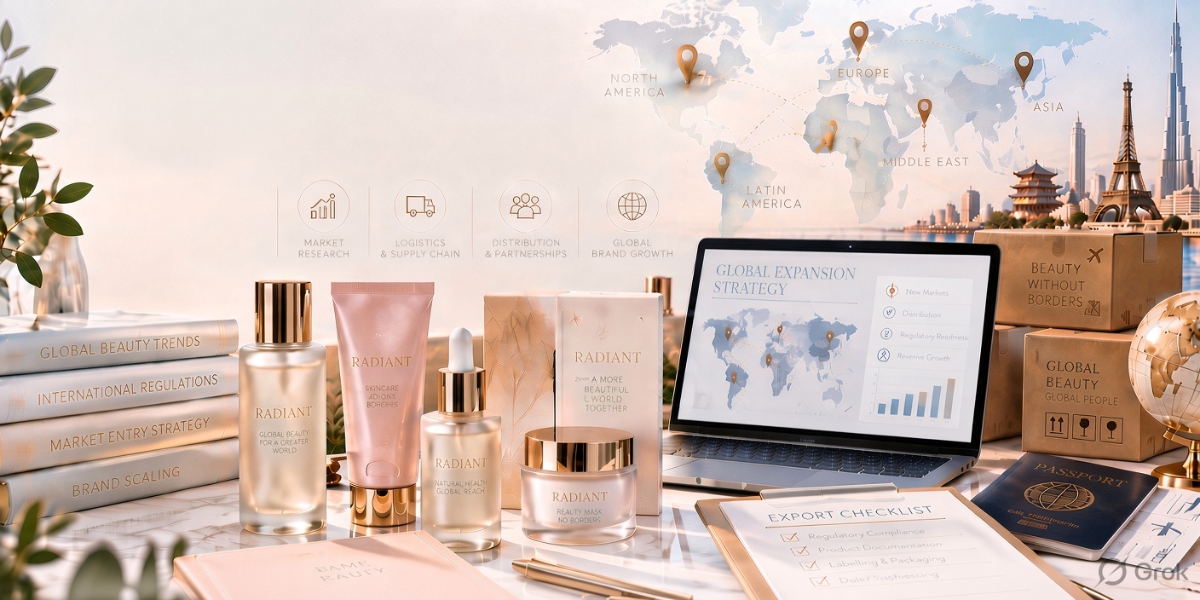
Decide Which Beauty Products You Want To Export
In particular, in the health and wellness industry, it is important to narrow down the potential product categories you want to launch in foreign markets. You should concentrate on makeup, skincare, haircare, bath and body, scents, personal care and newborn care. See how much these items are liked in the locations you want to sell.
To enter and manage the market successfully, it is better to start with a few products than to flood it with all of them at once. This strategic approach can enhance your chances of success in new beauty and personal care markets.
Choose the Right Cosmetic Manufacturing Model
Cosmetics manufacturing models for export to overseas markets best suit the product idea, production volume, and regulatory constraints. Private labelling is a benefit for companies who want to enter into international skincare branding: they can purchase formulated and tested products with distinctive international packaging and branding. Custom cosmetic formulation is particularly advantageous for products that have unique ideas or specifications, as producers are able to create a unique formula based on the needs of individual brands.
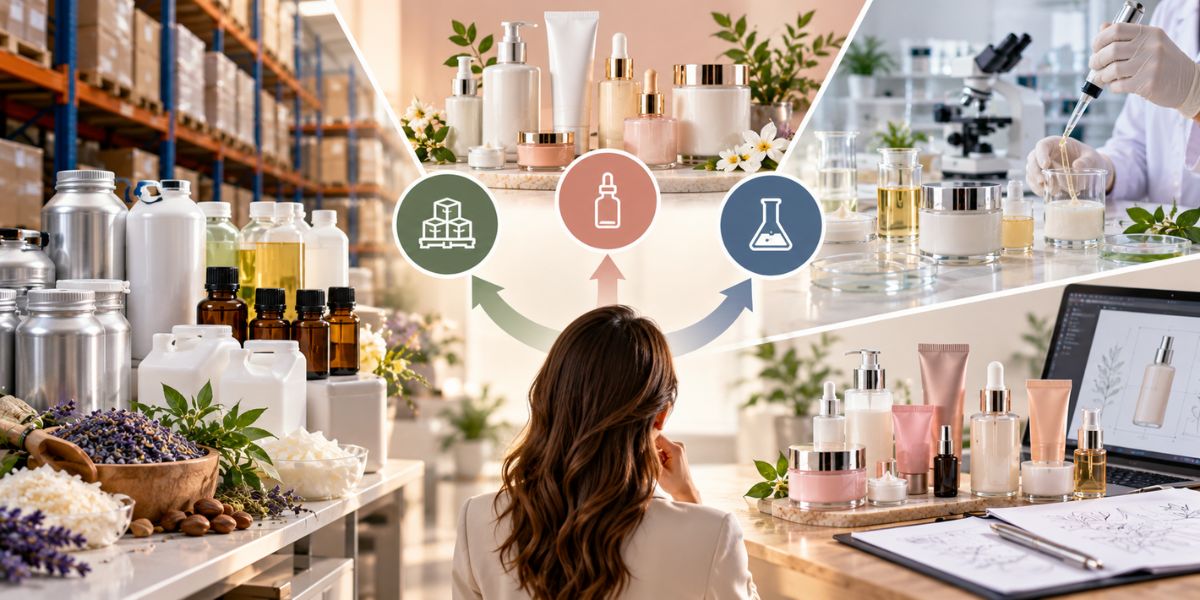
Cosmetic contract manufacturing can be a significant benefit for companies developing a global beauty brand strategy or for companies that need a consistent supply. No matter what model you choose, the paramount concern should be the manufacturer’s compliance with ISO 22716 (GMP) and the provision of export documentation, including COAs, MSDSs, and pertinent compliance records.
Develop or Customise Your Product Formulations
Creating a successful cosmetic line requires a meticulous balance of ingredients, texture, fragrance, product performance, and evolving customer preferences. Due to differences in customer demands around the world, formulations often have to be strategically adjusted according to the regulations and weather conditions of the target market.
Brands should seek professional help to navigate these complex issues and make their products successful and attractive. There’s an experienced R&D team behind you that can easily convert a new product idea into a final product ready for the market. Through collaboration with Bo International, brands can tap into the finest custom formulation and product development services, guaranteeing that their ideas are transformed into market-ready products.
Manufacture Products With Consistent Quality
Brands should prefer companies with high production capacity and strict quality controls. For uniformity in your products, find a cosmetic manufacturing partner that adheres to international manufacturing standards (like ISO) and employs multi-stage testing. When balancing present minimum order amounts, always consider whether a facility can meet future production demands.
Manufacturers that can scale will be able to mitigate the effects of supply chain disruption and satisfy increasing global demand. Want to preserve the spotless reputation of your brand in developing international markets? It’s vital to choose a partner to grow with.
Prepare Export-Ready Packaging and Labelling
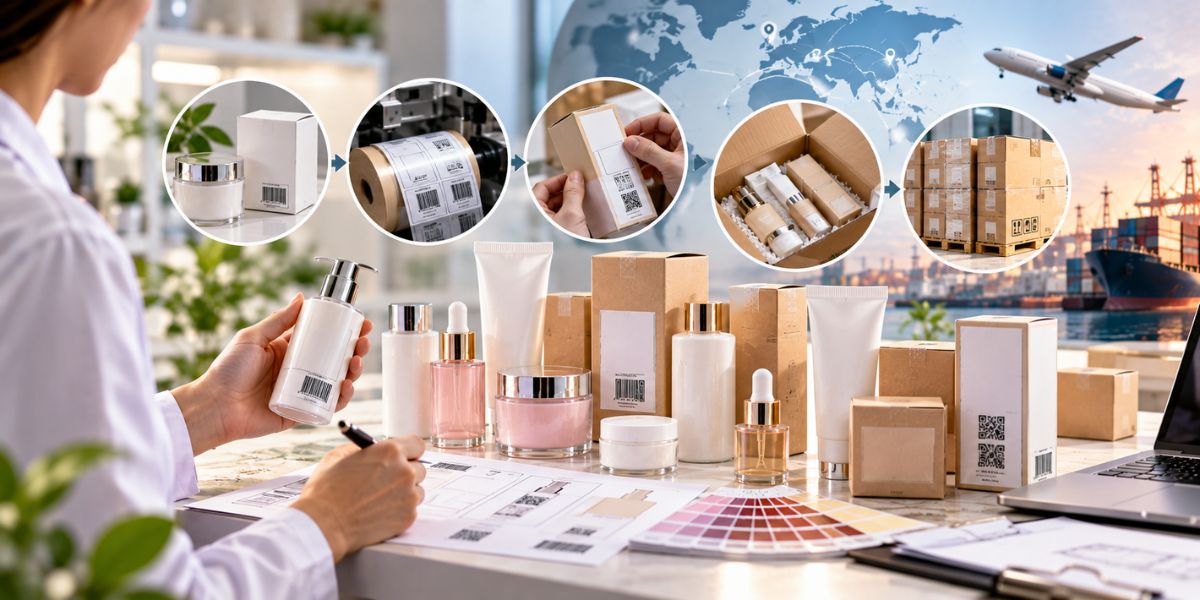
Personalised packaging is a must-have in the cosmetics industry, ensuring a memorable unboxing experience that keeps your customers loyal to your brand. Environmentally friendly, simple and straightforward-to-open packaging can make a lasting impression. Packaging must also be ready for export and able to withstand the rigours of international shipping.
When adding critical product information to labels, including information on ingredients, usage instructions and safety warnings, local regulations must be considered. Firms should complete label and packaging designs before mass production to avoid compliance and distribution delays.
Check International Compliance Before Exporting
Compliance is country-specific and applies to personal care and cosmetics, so factor it into product development rather than after production. Review all applicable ingredient restrictions, product safety standards, paperwork, registration or notification requirements and authorised product claims before entering any foreign market.
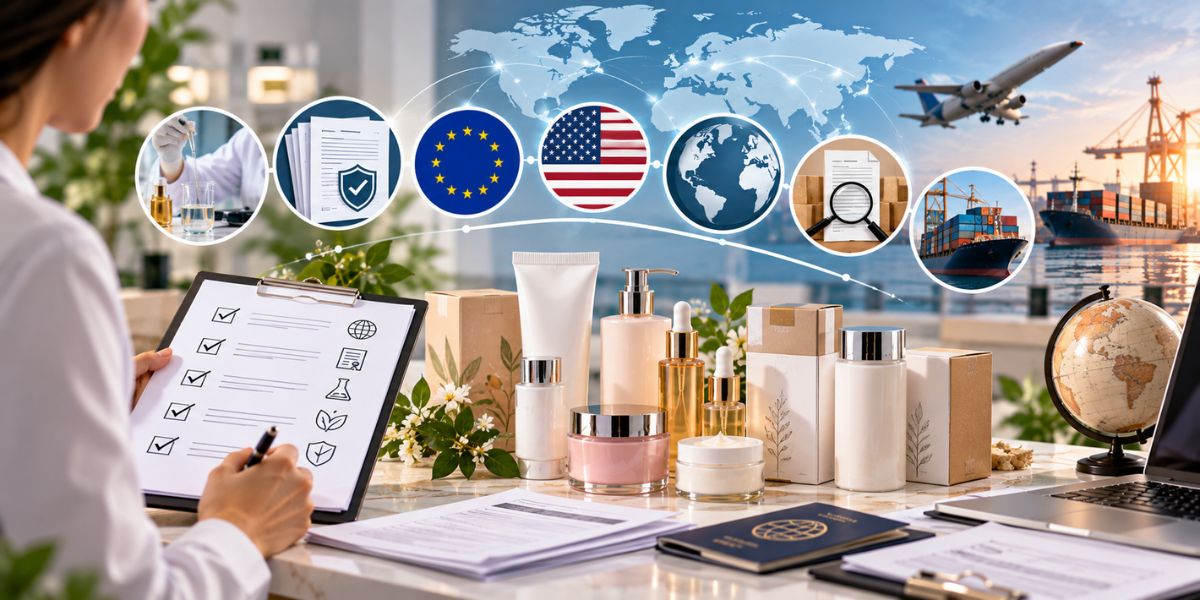
Labels also have to adhere to certification, language, ingredient and warning standards. Please ensure that all product and manufacturing documentation is ready for distribution. This includes safety assessments, testing reports, batch information and certificates of compliance. Another equally important aspect of pricing is tariffs and import duties. Hiring a regulatory expert is an excellent way to avoid costly compliance problems.
Plan Production, Shipping, and Export Logistics
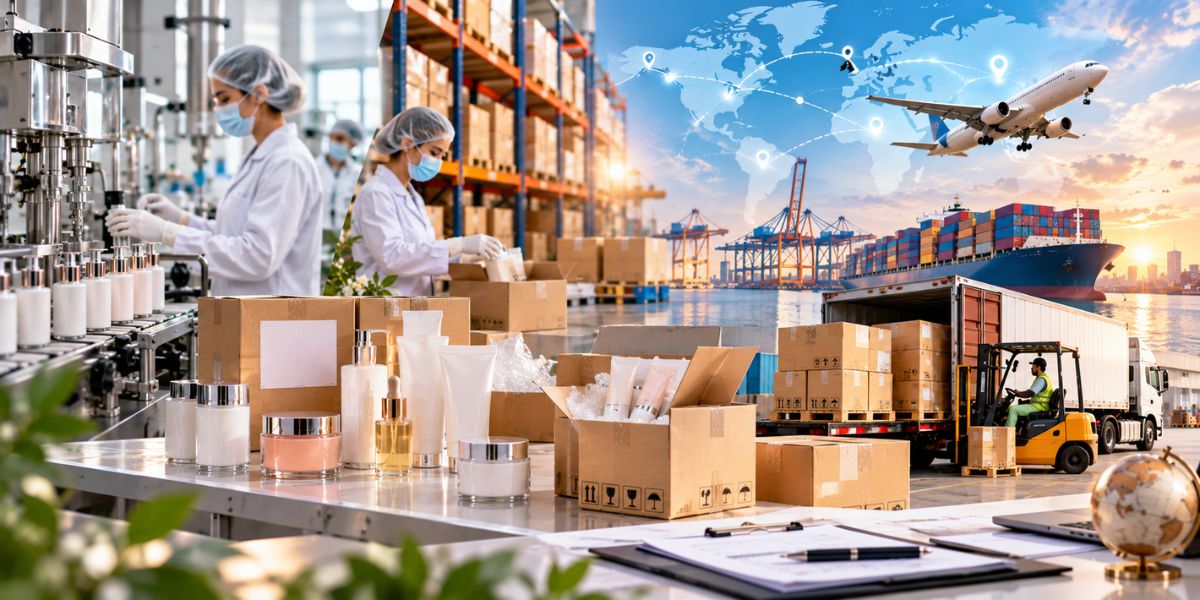
The first step in taking your beauty export business international is ensuring your production meets global compliance and ingredient regulations. Cooperating with specialised temperature-controlled logistics forwarders can significantly improve the efficiency of your shipments. Master export logistics. Ensure you gather all the necessary paperwork, like free sale certificates and customs declarations, so that you aren’t waiting to ship.
Defining Incoterms with international distributors is effective risk and cost management. Decide how much to order for export and make a plan for warehousing, packing, shipping, customs and delivery. Think about different ways to sell such as distributors, retailers, marketplaces or direct-to-consumer.
Work With a Cosmetic Manufacturer That Supports International Brands
You can gain from a cosmetics manufacturer who works with international brands in three areas: quality, compliance, and scalability. Find a partner that can support you from the very beginning, from product ideas to development, manufacturing, packaging and scaling up production.
Bo International collaborates with brands to develop and manufacture personal care and beauty products, providing services tailored to the needs of different markets. Working with a proven manufacturer can help ease the expansion process, ensure consistency, and offer a more structured approach from product conception to market production.
Conclusion
Finding international buyers is just the first step in getting a beauty brand ready for export. This means placing emphasis on formulation, export-ready packaging, consistent quality, regulatory compliance, reliable logistics, and the appropriate selection of product and manufacturing models.
Bo International and other private label cosmetic manufacturers are the experts that can help you with every step of the process, from ideation to production to packaging to scaling. With careful planning and country-specific prep, brands can build a strong platform for international growth.
FAQs
Q1. How can I manufacture cosmetic products for international export?
A1. To make cosmetic products for international export, create a manufacturing model, develop the formulation, test it, package it, label it, conduct quality checks, and prepare the necessary documentation.
Q2. Can a private label cosmetic manufacturer help me export my products?
A2. Many private label cosmetics manufacturers provide export compliance support such as FDA/EU documentation, international labelling compliance, special formulas and logistical guidance to enable you to sell abroad.
Q3. Do cosmetic products need different formulations for different countries?
A3. Cosmetic product formulas may need to be changed in response to ingredient laws, customer preferences, climate, and destination market needs.
Q4. What should be included on cosmetic packaging for export?
A4. Cosmetic packaging for export should include ingredients, product information, usage directions, warnings, manufacturer data, language restrictions, and any other country-specific information.
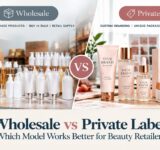
Q5. What is the difference between private label and custom cosmetic manufacturing?
A5. Custom or bespoke manufacturing is when businesses manufacture products according to the customer’s specifications. Private label often uses existing formulations that can be branded.