- 08/10/2026
- Rohit Mishra
Another eco-friendly option is the emerging industry of waterless beauty products with growing concern for the environment. Cosmetics companies are rapidly investigating water-free formulations to help reduce their environmental footprint, cut plastic packaging and eliminate synthetic preservatives.
Popular examples include concentrated serum bars, powder-to-foam face cleansers and solid cleansing balms. But drying it out can impact the product’s stability, texture and performance. As a result, using specialised formulation expertise is vital to ensuring these concentrated solutions are effective, shelf-stable and safe for consumers.
What Is Waterless Beauty Formulation?
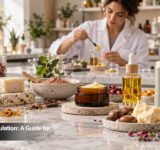
Waterless beauty formulations are those that contain no water at all, compared to the more traditional formulas that use water as an ingredient. You’ve got to rethink the formulation completely, not just take out pieces, to get the water out. Instead of water, producers use concentrated bases of oil-soluble active substances, waxes, powders, butters and oils that deliver targeted skin benefits and structural integrity.
These ultra-concentrated formulas are available in a broad spectrum of forms, such as solid bars (for use as shampoo and conditioner), oil serums, balms, and loose powders. Waterless cosmetics are a particularly effective eco-friendly alternative and often require fewer synthetic preservatives, as they remove the grounds for bacteria to breed.
Why Are Brands Exploring Waterless Beauty Products?
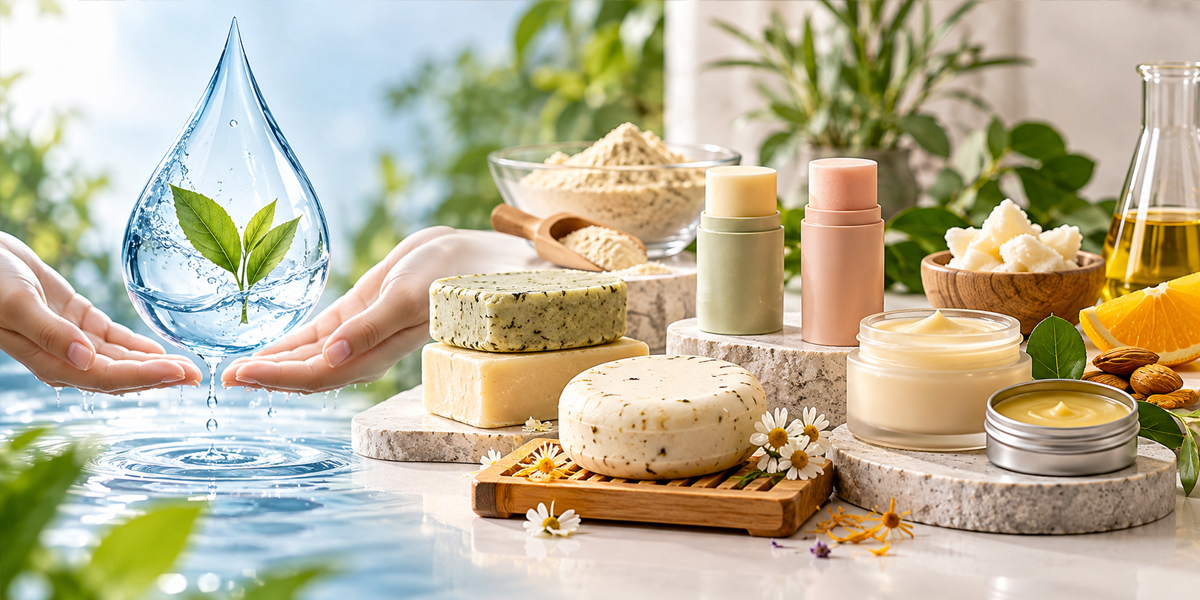
Waterless skincare brands and other waterless beauty brands are adopting these formulations to meet their customers’ changing requirements. By removing the water, marketers can create new concentrated products in solid and powder forms like bars and tablets. For brands exploring these formats, a private label cosmetic approach can provide an opportunity to develop concentrated products under their own brand.
The substantial decrease in volume and weight that these waterless formulas provide brings with it many advantages for packaging and transportation, such as lowered shipping emissions and plastic-free packaging. This step opens up the development of unique products, given the growing demand for alternative cosmetic formats. These products are high-performing, sustainable and innovative, and their uniqueness is what will make them stand out in a competitive market.
Popular Waterless Product Formats
These formats give brands flexibility when developing waterless skincare products, from rich balms and facial oils to cleansing bars and solid moisturisers.
- Lip Balms, Body Butters & Solid Moisturisers: Use oils, butters, and waxes to create rich and protective textures, as these formulations are suited to dry skin and barrier-focused products.
- Oil-Based Serums & Facial Oils: To deliver concentrated botanical extracts, antioxidants and vitamins without water, choose a carrier oil that is either lightweight or nourishing.
- Cleansing Balms & Oil Cleansers: Combine oils, butters, and suitable emulsifying agents to dissolve makeup, sebum, and impurities while maintaining a comfortable skin feel.
- Solid Bars, Sticks & Multi-Use Balms: Use waxes, butters, oils, and structuring agents to create firm, portable formats for SPF, colour, skincare, or massage products.
Key Formulation Considerations
To create waterless beauty products, you must replace water with anhydrous alternatives such as plant oils, botanical extracts, and waxes while balancing four crucial pillars.
- Ingredient Selection: Formulators use concentrated lipids, butters and nutrients that are soluble in oil, instead of water. These must be carefully selected to prevent heavy, comedogenic profiles while providing equal or higher skin benefits.
- Texture & Sensory Properties: If you don’t add water to your products, they might be oily or sticky. Natural texturisers like lightweight esters, cornflour, or silica absorb quickly and leave skin feeling silky smooth.
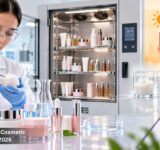
- Stability: Water removal inhibits microbial growth but also predisposes to oxidation and melting. Antioxidants like vitamin E are added to prevent the formula from going rancid, and wax melting points are adjusted so that the structural integrity of the product is maintained over time.
- Active Ingredient Compatibility: Active ingredients must be oil-soluble or completely suspended to guarantee consistent distribution and skin penetration without separation.
Manufacturing & Processing Considerations
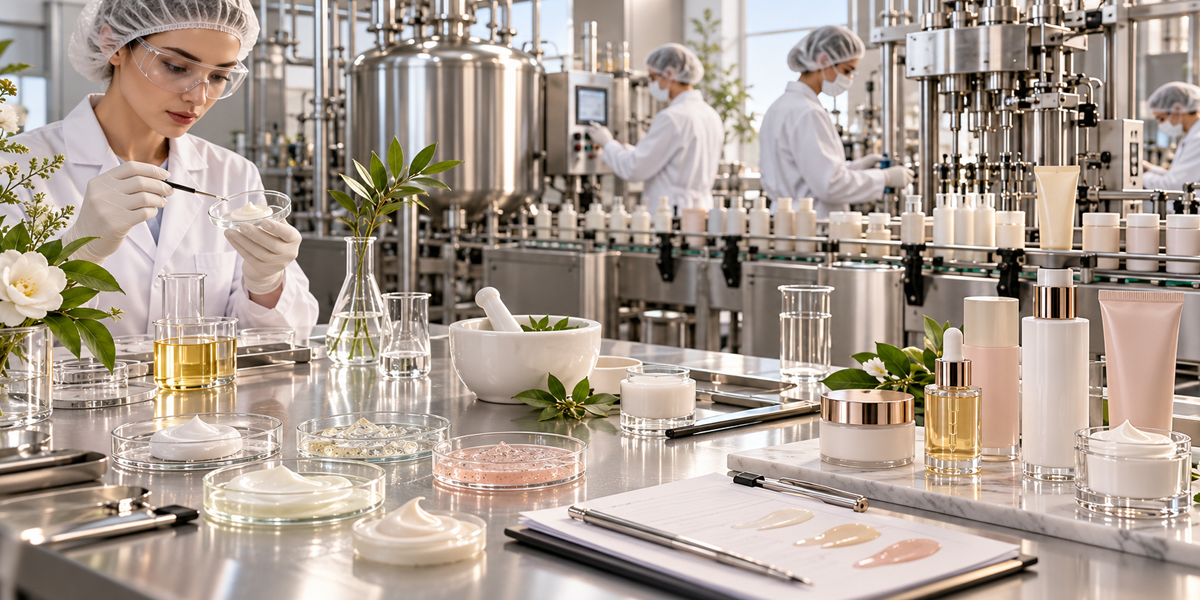
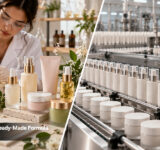
Stringent controls must be applied to all physical and thermal processing steps to ensure consistency throughout the lifetime of the waterless beauty product. When managing a brand, it’s important to remember that cosmetic contract manufacturing can help businesses move waterless formulations from development to larger-scale production while maintaining consistent processing and quality standards.
- Thermal Control: High-melting waxes require precise heating and melting, balanced with particular filling temperatures, to prevent premature cooling or separation.
- Texture & Uniformity: Handling powders requires high-shear mixing conditions, while controlled chilling and solidification prevent cracking and blooming.
- Scalability: Standardised cooling times maintain batch consistency and product quality at high volumes, while rigorous humidity control protects moisture-sensitive ingredients during scale-up.
Packaging Considerations for Waterless Products
When packing anhydrous substances, consider the formulation’s physical state and the container’s shape and material.
-
- Sticks can be neatly packed into solid bars.
- Thick balms are best kept in jars for convenient access.
- Anhydrous powders should be packed in moisture-proof materials to avoid clumping during humid conditions.
- Tubes are a practical way to deliver highly concentrated pastes.
Because waterless products don’t need water, manufacturers can use more eco-friendly materials, like lightweight, infinitely recyclable glass, biodegradable cardboard, or aluminium, in smaller containers.
Testing & Quality Considerations
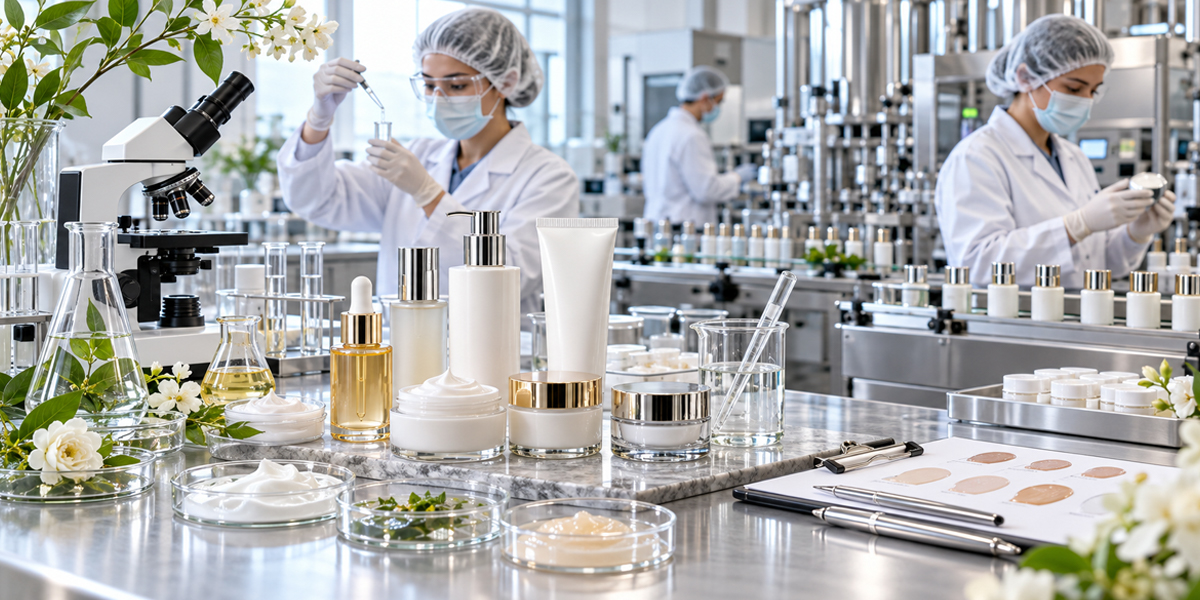
Because waterless cosmetics have a higher concentration of ingredients, they need additional quality checks.
They test the stability of the active ingredients in the chemicals to ensure they don’t degrade over time.
Packaging should be compatible so that there are no unwanted reactions between containers and solutions which contain oil.
- Physical and sensory evaluations monitor changes in appearance, melting point and texture.
- Although they are resistant to contamination, microbiological tests have proven that low-water products can be used without fear in wet bathrooms.
- Temperature testing demonstrates melting or separation.
- All products are subjected to rigorous testing to ensure maximum effect and absorption by the skin.
How Cosmetic Brands Can Develop a Waterless Product
When developing waterless skincare, cosmetic companies must replace water with oils, butters, waxes, powders, or plant extracts while maintaining product performance and stability. For brands seeking a differentiated product, custom cosmetic formulation can help develop an anhydrous format around specific ingredients, textures, skin concerns, and performance requirements.
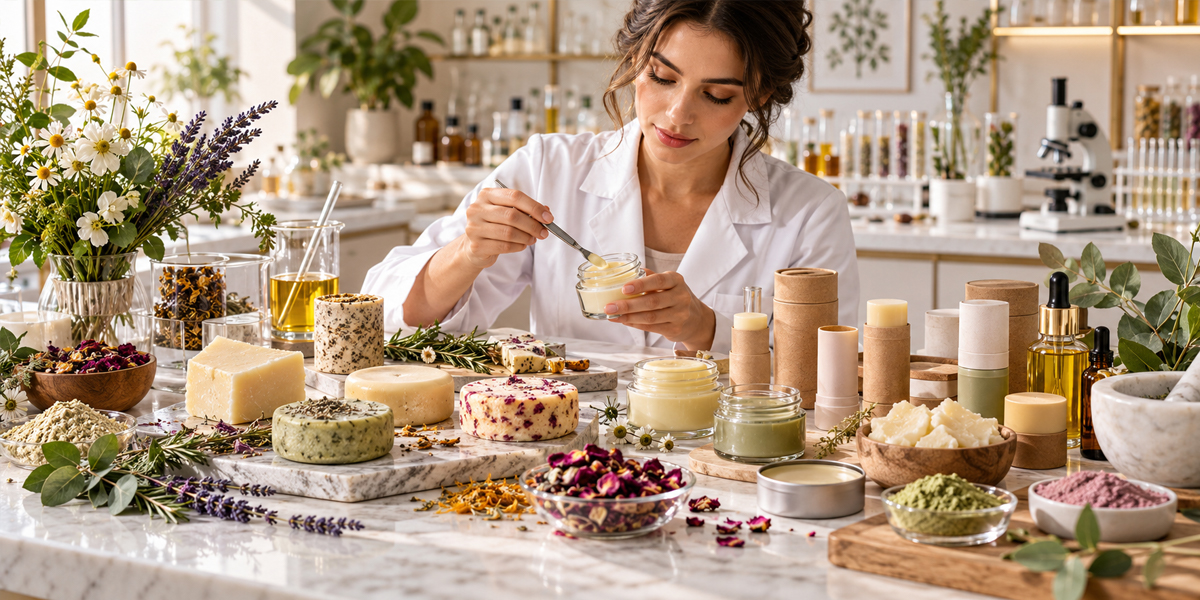
To sustain performance, formulators most commonly choose powder, solid bar or anhydrous balm formulations. Because eliminating water removes a breeding habitat for bacteria, manufacturers can minimise or eliminate the need for typical synthetic preservatives. Finally, items must be packaged in eco-friendly, moisture-resistant materials to safeguard the water-activated solution from humidity.
Conclusion
Waterless cosmetics formulations enable manufacturers to develop concentrated, inventive, and potentially more sustainable products in a variety of formulations.
However, success involves more than just eliminating water. Manufacturers must maintain product quality, safety, consistency, and consumer appeal through careful formulation, stability and performance testing, appropriate packaging, and controlled, scalable manufacturing.
FAQs
Q1. What is a waterless beauty formulation?
A1. Waterless beauty formulations are cosmetics without water. Oils, waxes, powders, butters, botanicals, and other concentrated substances are common in these formulations. These ingredients replace water.
Q2. What are examples of waterless beauty products?
A2. Solid cleansing bars, facial oils, anhydrous balms, salves, powder-to-foam cleansers, and dry face masks can be incorporated into a waterless skincare routine, depending on the product format and activation method.
Q3. Are waterless cosmetics easier to manufacture?
A3. No, they are usually more complicated. Formulators must carefully select lipid-soluble actives and maintain stability without typical aqueous systems, which necessitates specialised testing and precise handling of the raw ingredients.
Q4. What ingredients are commonly used in waterless formulations?
A4. Waterless formulations often include nourishing botanical oils (argan and jojoba), plant butters (shea and cocoa), natural waxes, kaolin clay and concentrated lipid-soluble active extracts.
Q5. Can waterless beauty products be custom formulated?
A6. Yes, private label cosmetic manufacturers and bespoke laboratories can create anhydrous bases, targeted oils, and solid or powder formats to meet specific skin types or brand needs.