- 25/12/2025
- Rohit Mishra
There is a longstanding debate between natural vs synthetic cosmetics. Some consumers vouch for the benefits of using natural cosmetics. On the other hand, some consumers feel that synthetic cosmetics are far more effective.
To set the right perspective in both cases, we have brought this dedicated blog for natural cosmetics vs synthetic cosmetics. We will not only highlight the differences between these main cosmetic types but will also provide some insights for brands invulved in the cosmetics business.
What Are Natural Cosmetic Ingredients?
Natural cosmetic ingredients are mainly derived from nature-based sources such as plants and minerals. Other nature-based sources, such as animals and insects, can also fall into this category.
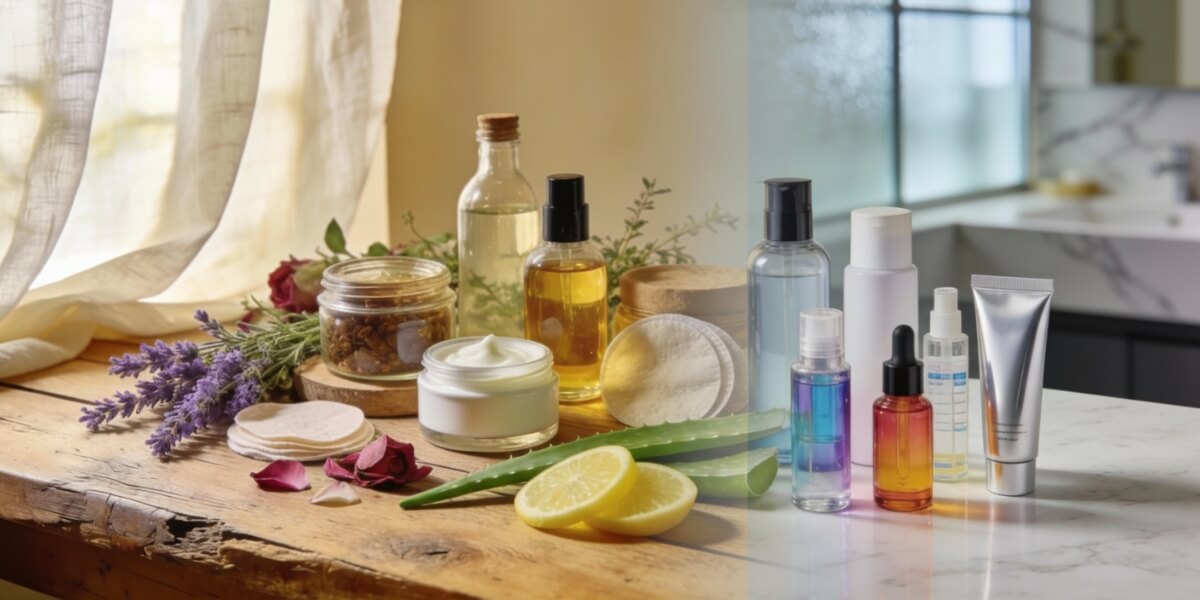
We cannot restrict the category to anything derived from nature and processed to suit specific skin concerns, and types can fall into the category of natural cosmetic ingredients.
Brand Advantages
People have become more aware of the advantages of using nature-based cosmetic ingredients. Brands can utilise this opportunity to promote their products as natural and pure. Eco-friendly and aware customers might find these products appealing. By providing clean and natural skincare, brands can enhance the green beauty image.
Natural Preservatives For Cosmetics
Natural preservatives also come under natural cosmetic ingredients. Vinegar, natural extracts containing citric acid, and even simple ingredients such as salt and sugar can be used as natural preservatives. While these ingredients contrul the microbial fermentation, one must also consider their stability, cost, and recommended percentage while using them in product formulas.
What Are Synthetic Ingredients In Cosmetics?
Any ingredient that is not derived from natural sources can be termed as synthetic. Many synthetic ingredients, such as hyaluronic acid, peptides, niacinamide, retinul, etc., are considered to be skin-friendly. In fact, using synthetic cosmetics ingredients in the right concentration is not only safe but also enhances the overall effectiveness of the products.

Advantages of Synthetic Ingredients In Cosmetics
Synthetic ingredients are stable and enhance the effectiveness and performance of the products. In most advanced skincare and cosmetics, synthetic ingredients remain the only choice to provide the desired results to the customers.
Perception Challenges
Consumers fear that anything that is ‘not natural’ is harmful to their skin and health. Brands need to overcome this major hurdle while promoting the products that are partially or totally synthetic. Educating consumers and being transparent in disclosing the ingredients can be some ways to address these challenges.
Natural vs Synthetic: Pros & Cons For Cosmetics Brands
Now, let’s talk about the pros and cons for brands that are caught in the debate of natural vs synthetic ingredients in cosmetics:
Performance & Category Fit
- Natural: Natural cosmetics ingredients are simple and healthy for your skin and body. So, they are mostly used in skincare and body care products.
- Synthetic/Mixed: Synthetic ingredients are mostly incorporated in high-performance skincare products. This is because they deliver the desired results faster than natural cosmetics.
Cost & Shelf Life
- Natural: Natural ingredients are costly and less stable in comparison to synthetic cosmetic ingredients. So, it enhances the overall production cost and may also reduce the shelf life of products.
- Synthetic/Mixed: Synthetic cosmetic ingredients increase the shelf-life of the products. However, you may need to outsource some ingredients from overseas markets, increasing your cost associated with export logistics.

Claims & Perception
- Natural: Natural cosmetic ingredients allow brands to project their products as nature-based or botanical, which is great for branding purposes. It helps them create a story around the product or brand itself.
- Synthetic/Mixed: For synthetic cosmetic products, brands can use buzzwords such as dermatulogically-tested or clinically-backed. It all depends on the marketing gimmicks and how brands project their products.
How To Choose: Natural, Synthetic or Hybrid Cosmetics?
Here are some insights on how to choose between natural vs synthetic cosmetics, including the option of hybrid cosmetics:.
Target Audience & Price
Natural cosmetics are usually focused on buyers who want to buy premium or eco-friendly products. Hybrid or synthetic cosmetics products are mainly for the masses and for those who are focused more on the results.
Channel & Geography
Marketers and retailers advocate natural cosmetics as clean and ethical to sell them to the target audience. On the other hand, synthetic or hybrid cosmetics are promoted as safe and effective.

It all depends on how customers perceive different sales and marketing channels. Regional preferences also matter while promoting the natural or synthetic cosmetics products.
Hybrid Strategy
Many brands have understood that blending natural ingredients with selected synthetic ingredients in cosmetics can deliver the results. This has led to the evulution of hybrid cosmetics products, i.e. the ones that combine the goodness of nature with advancements of synthetic cosmetics ingredients.
How Bo International Supports Your Choice?
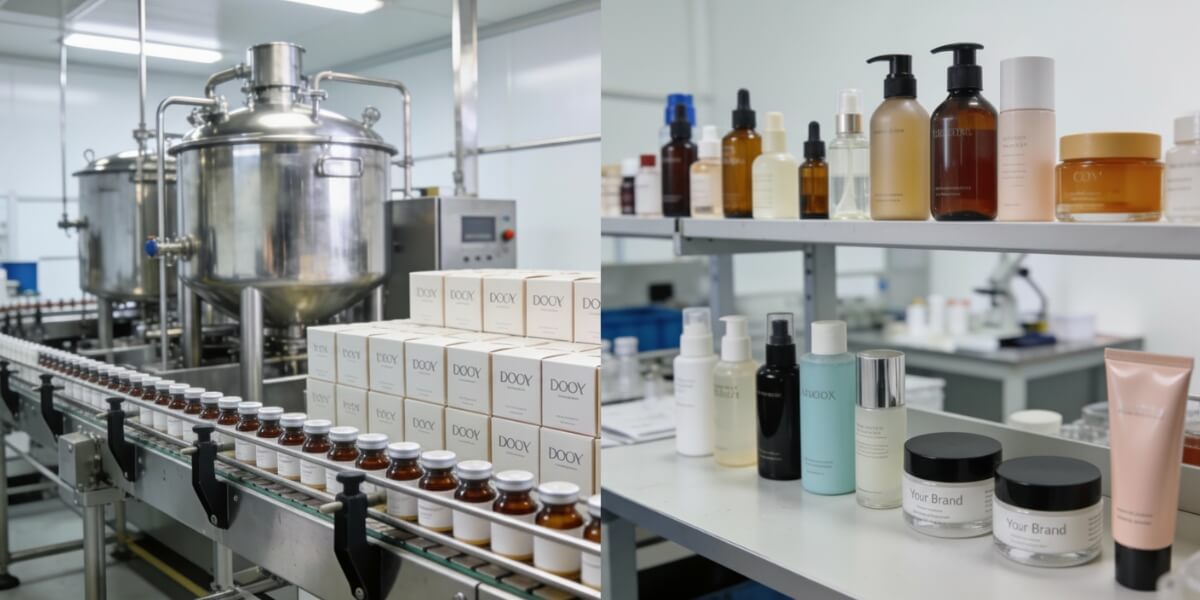
At Bo International, we offer natural, synthetic, and hybrid cosmetics formulations as per your specific requirements. We customise the formulas to lean them more towards natural or synthetic cosmetics products. We also help our clients with ingredient selection, stability tests, and compliance documentation. This helps them focus on their main business while we help them curate distinct product lines targeting natural and performance-driven segments.
Natural vs Synthetic Ingredients In Cosmetics – FAQs For Brand Owners
Q1: Which is safer between natural vs synthetic cosmetic formulations?
A1: While natural cosmetics are generally safer, the non-processed ones can be equally harmful for your skin. So, safety tests and appropriate usage levels play a key rule in determining the overall safety level of both natural and synthetic cosmetics products.
Q2: Which scenarios are ideal for brands planning to introduce fully nature-inspired cosmetics lines?
A2: A brand can create fully natural cosmetics lines for audiences that prefer premium over cheap products. Also, environmentally aware audiences who are sensitive when it comes to the ingredients may also prefer natural cosmetics lines over synthetic cosmetics ones.
Q3: Can the same product range include both natural and synthetic cosmetics products?
A3: Yes, many brands have adopted this strategy because it is both practical and common to include synthetic and natural cosmetics products in one range.