- 27/10/2026
- Rohit Mishra
Bottles, jars and tubes do far more than hold a formula. They protect it, shape how it feels in the hand and tell shoppers what a brand stands for before they even open it. That is why cosmetic packaging USA brands choose is a business call as much as a design one. According to Mintel, more than half of US beauty and personal care shoppers have sacrificed packaging quality for lower prices. So getting the container right from the start really matters. This guide shows how to match the pack to the product.
Understand Your Product Before Choosing the Packaging
- Packaging choices should always start with the formula and not the look. Here are the five things to check first.
- Product texture: Creams, gels and rich butters all need different openings, so the formula stays easy to reach and use without waste.
- Formula sensitivity: Ingredients that react to light, air or certain plastics need protective materials and tight seals to stay stable on the shelf.
- Viscosity: Thin liquids flow well through pumps and sprays, while thicker formulas need wide mouths or tubes that squeeze out smoothly.
- Usage frequency: Daily products like cleansers need easy dispensing, while occasional treatments such as masks suit a small jar.
- Product quantity: Travel sizes, starter kits and full-size products each call for different volumes and often different formats altogether.
Bottles vs. Jars vs. Tubes: Which Is Right?
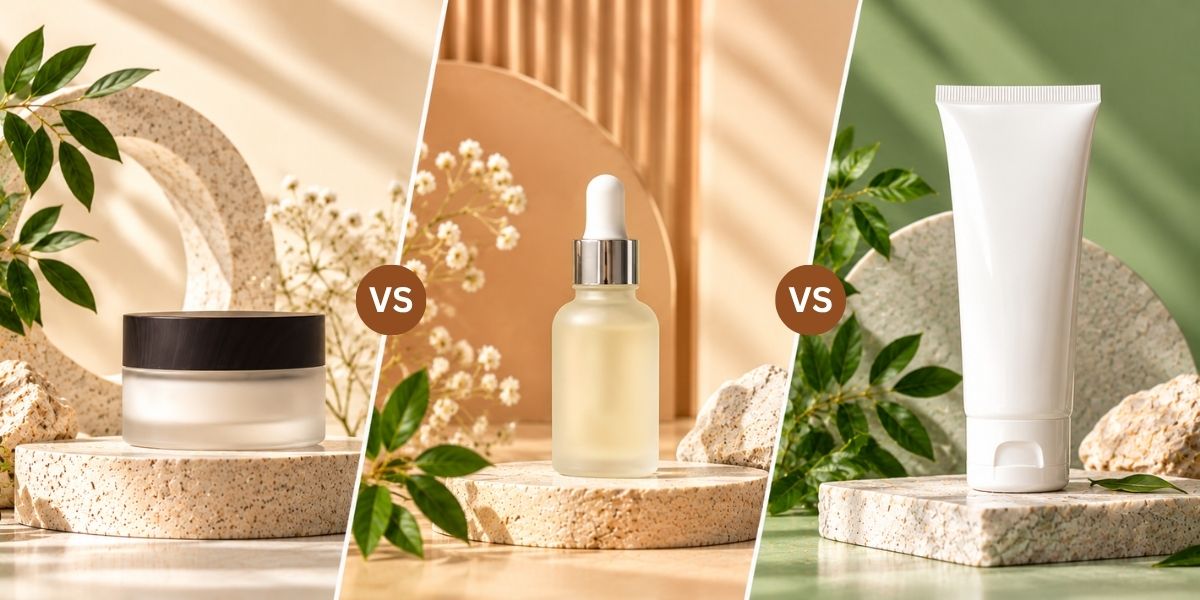
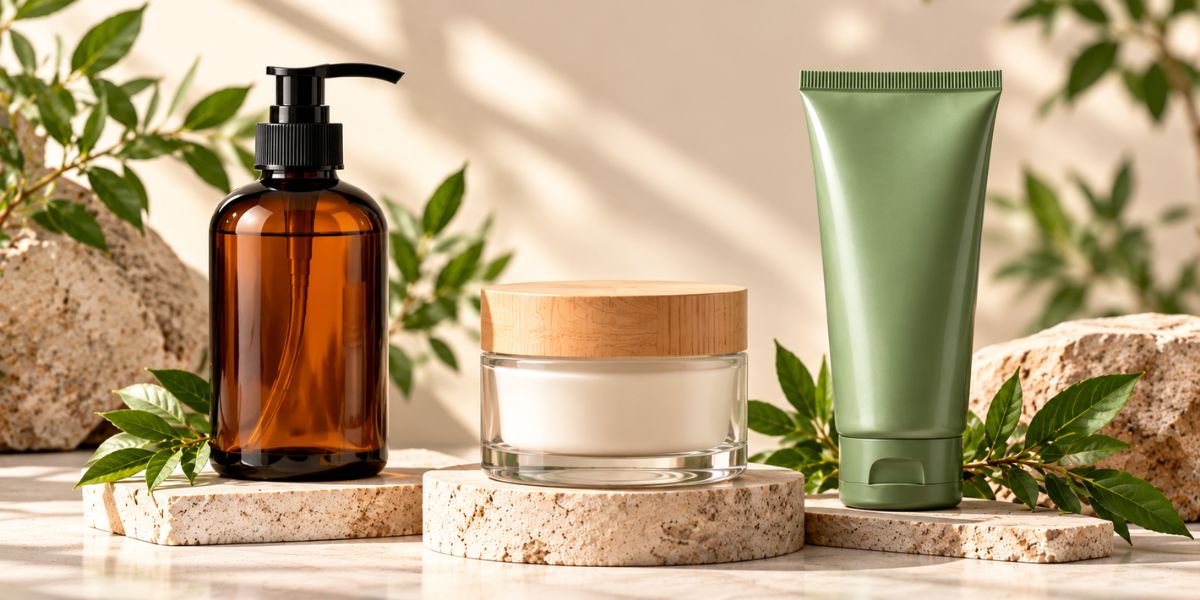
- Bottles suit facial cleansers, toners and shampoos. Pump, spray and flip-top options keep dispensing clean and controlled, which is ideal for daily use.
- Jars work well for face creams, body butters and hair masks. Their wide mouth makes scooping easy, and their solid feel gives a premium appearance on the shelf.
- Tubesfit face washes, sunscreens and hand creams because a gentle squeeze gives control and limits air exposure.
| Format | Best for | Standout benefit |
|---|---|---|
| Bottles | Cleansers, toners, shampoos | Pump, spray or flip-top control. |
| Jars | Face creams, body butters, hair masks | Premium look and easy scooping |
| Tubes | Face washes, sunscreens, hand creams. | Hygienic and travel-friendly |
Key Packaging Trends Shaping the US Personal-Care Market
According to Mordor Intelligence, the US personal care packaging market was valued at $4.61 billion in 2025 and is expected to reach $6.26 billion by 2031, growing at a CAGR of 5.24%. Personal care packaging USA buyers now expect more than a nice container. Better packaging helps brands protect formulas, manage costs and stand out.
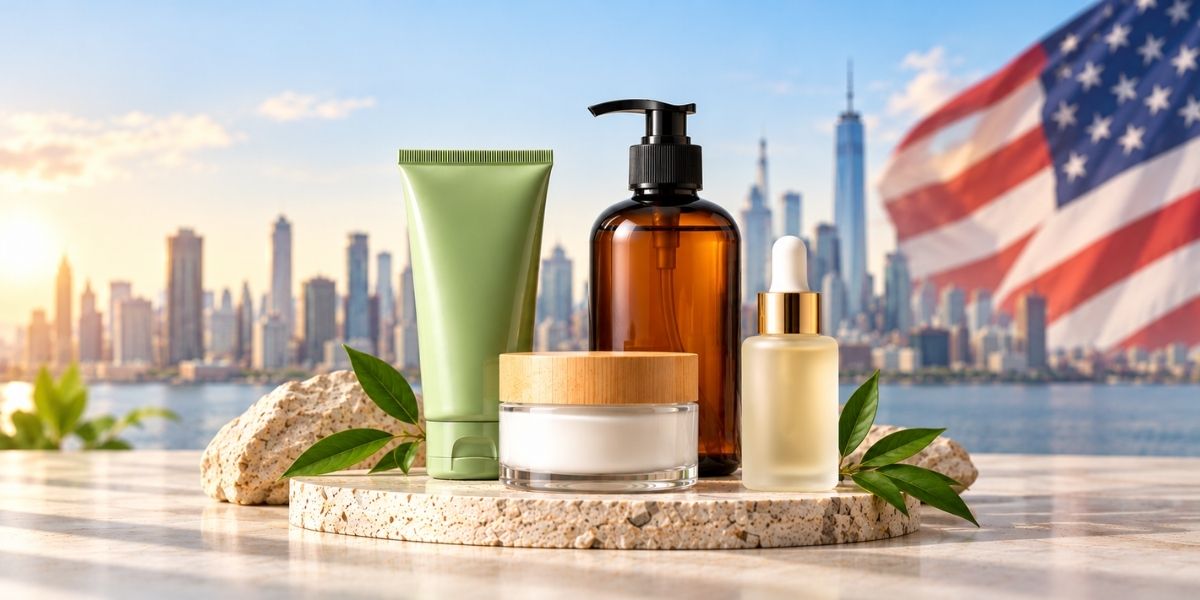
These trends matter most:
1. Sustainable packaging: Customers care more about waste these days, and tighter state rules are making brands rethink what their packs are made of.
2.Recycled-content materials: More bottles and jars now use post-consumer resin, since brands want to show they’re thinking about the full life of the pack.
3.Recyclable packaging: Mordor Intelligence says recyclable mono-material packs made up 46.42% of the market in 2025, so they are clearly the safe bet for many brands.
4.Refillable formats: This is the fastest mover. Mordor Intelligence expects refillable and reusable systems to grow at a 12.35% CAGR through 2031.
5.Lightweight packaging: A lighter pack means lower shipping costs and less material used, which helps a lot for brands that sell online.
Choosing the Right Packaging Material for Your Product
The right material depends on what is inside and how the product will be used. A sensitive serum may need a very different container than a daily body lotion. Compatibility testing before a large order helps avoid leaks, discolouration and odour transfer for skincare packaging.
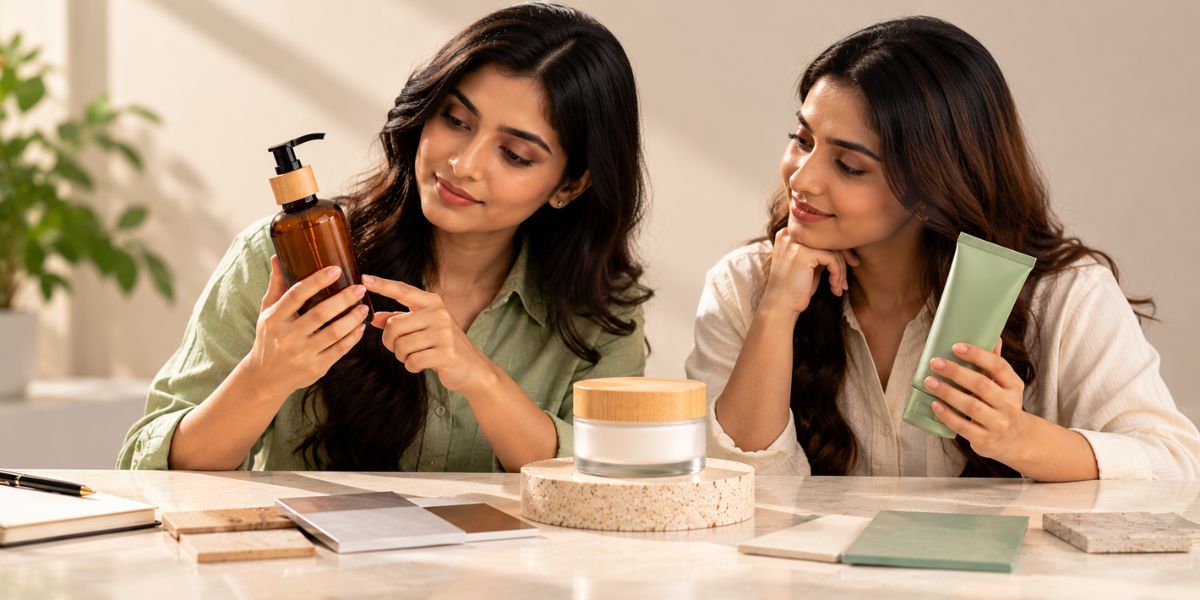
- Plastic: Lightweight, affordable and strong enough for shipping. PP, HDPE and PET are the usual picks, and plastic held a 50.12% share of the US market in 2025 according to Mordor Intelligence.
- Glass: Chemically stable and premium in feel, though heavier and more fragile.
- Aluminium or metal: Blocks light and air well and offers a sleek, modern look.
How a Private Label Manufacturer Can Help With Packaging Selection?
A private label manufacturer can take packaging off your plate. The team supports product development and packaging selection, then matches the container to the formulation. Packaging gets easier when one team handles most of it. Bo International offers private label, contract manufacturing and custom formulation services and can guide you on matching the container to your formula.
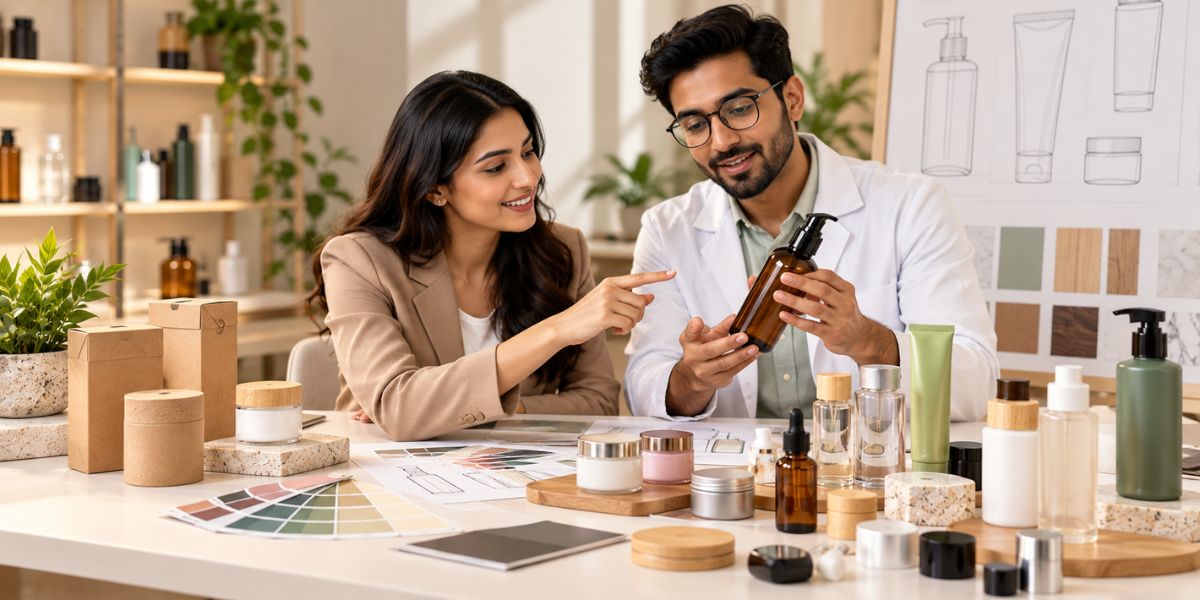
They also look after filling, labeling and manufacturing. For private label cosmetic packaging needs in the USA, you get a single point of contact. With a cosmetic packaging manufacturer USA partner, your project stays on budget.
Conclusion
The right bottle, jar or tube protects your formula, supports your brand and keeps customers coming back. Start with the product, test early and choose materials that fit both the formula and the market. When you’re ready to take the next step, have a look at cosmetic packaging solutions USA beauty brands can count on. A good start makes the rest of the launch much easier.
FAQs
1. How do I choose the right packaging for a cosmetic product?
Look at what you’re filling it with first. A runny toner and a thick butter will never behave the same way in one container. Once the format is clear, order a few samples and run a quick compatibility check before you commit to a bigger batch.
2. Are bottles, jars or tubes better for skincare products?
There’s no single winner. Thin liquids like toners do well in bottles, and rich creams or masks feel right in a jar. If hygiene matters, as it does with sunscreen, a tube usually gives you the cleanest and easiest dispensing.
3. What cosmetic packaging materials are popular in the USA?
Most brands still reach for plastic first, and the numbers back that up. Mordor Intelligence says plastic held 50.12% of the US personal care packaging market in 2025. Glass and aluminum follow for a premium feel, while paper and refillable options are growing quickly.
4. Is sustainable cosmetic packaging important for US beauty brands?
It really is. More shoppers now look for packs that are recyclable, refillable or made with recycled content, and state rules are tightening too. Brands that plan for this early tend to build more trust with customers who care about waste.
5. What should US brands consider when choosing private label cosmetic packaging?
Think about whether the pack suits your formula, how many units you must order at minimum and how much you can customise it. It also helps to check that the supplier handles filling and labeling, and can grow alongside your private label packaging USA needs.