- 06/11/2026
- Rohit Mishra
When engaging with overseas suppliers, businesses are able to source various products and materials, plus tap into new markets. However, making cross-border payments can have risks. The best method will depend on the order size, relationship with your supplier, payment terms, and how much security you want for your payments.
7 Best Ways to Pay Overseas Suppliers Safely
There are various methods you can use to send payments internationally. Depending on your order size, relationship with your supplier, payment terms, and the security you require, choose from:
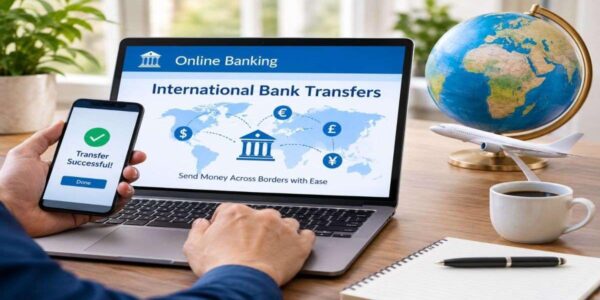
1. International Bank Transfers
One of the most common methods for making payments overseas is using an international bank transfer. This means you can use the SWIFT or banking network to make a direct transfer to a supplier’s bank account. Before making the transfer, you will want to double-check the account details. If you’re using an exchange rate, check what rate you are using and whether there are any charges.
2. Secure Online Payment Platforms
Many businesses use online payment platforms to send overseas payments. These platforms let you send money easily without leaving your desk. Platforms such as PayPal and other business payment providers offer the option to track your transaction history whilst also allowing you to track payments. You will want to know what fees are required, what currencies they offer, and what buyer protections they offer.
3. Letters of Credit (LC)
This method works by having your bank issue a letter of credit to guarantee your supplier will get paid once you both meet the agreed terms and conditions and documents. This can be a popular choice for large orders internationally to give added security.
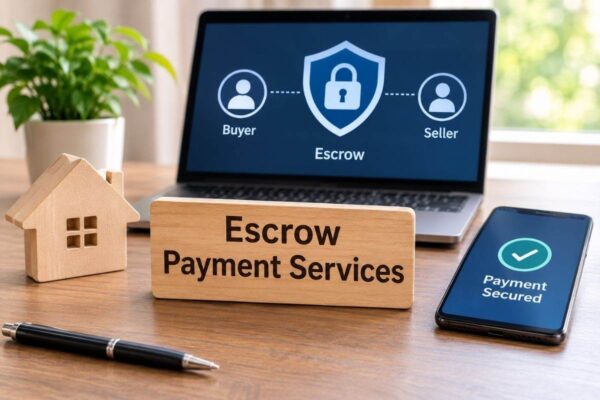
4. Escrow Payment Services
An escrow service takes money from the buyer and puts it with an impartial and independent third party. The money will only be paid to the supplier once they have met the agreed terms. This can help reduce the risk of payment, especially if you are new to a supplier.
5. Documentary Collections
A documentary collection involves using banking services to collect both your shipping documents and payment. You’ll only receive them once you have paid or agreed to pay. Since this is a service offered through banks, it does not guarantee payment. You’ll need to be aware of the risks involved.
6. Trade Credit and Payment Terms
Some suppliers will allow you to have the goods delivered before you have fully paid. They can offer 30-60 day payment periods. This can help with cash flow; however, ensure you have an agreement in place on when you need to pay them.
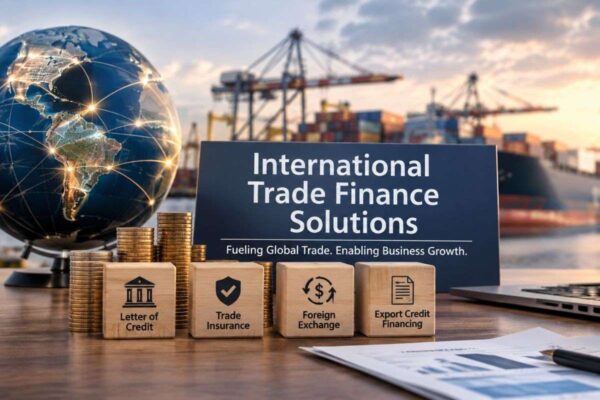
7. International Trade Finance Solutions
Trade finance options can help streamline the process of payment when ordering overseas. Using supply chain financing, import finance and working capital facilities can help provide assistance with larger payments. Businesses should compare interest rates, service charges, and repayment conditions before proceeding.
How to Verify an Overseas Supplier Before Making Payment?
Before sending money, take some time to check your supplier. Doing a few simple checks can help prevent losing out financially.
- Check they are registered and have the right tax information.
- Check their official website and business address.
- Request customer references.
- Check their bank account is under their registered business.
- Check your quote, invoice and payment details.
Try to video call them or ask to meet if making a large deposit.
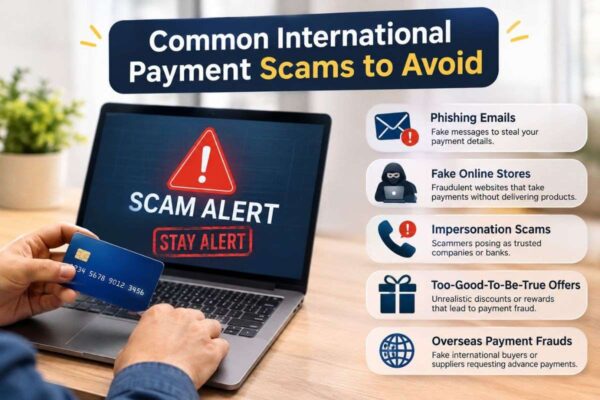
Common International Payment Scams to Avoid
When making international payments, there are many scams that businesses can fall victim to. Be cautious if your supplier is asking for payment to be made to a new bank account, or to a personal account that isn’t related. Watch out for fake invoices, spoofed emails, unusually low pricing, and requests for immediate payments. Always verify any unusual requests using a verified contact number.
How to Choose the Right International Payment Method?
Always choose the right payment method for your order, depending on the size of your order. Smaller orders can be made via secure online methods. Larger orders may want to use a Letter of Credit or Documentary Collection. If you have an existing relationship with your supplier, you may want to use agreed trade credit terms. Always consider the costs of your transaction, exchange rate, time taken and payment security.
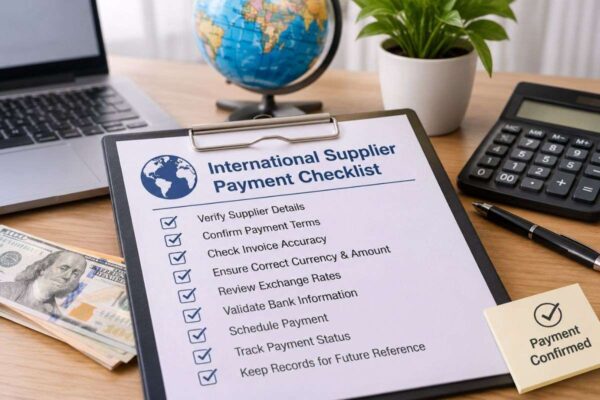
International Supplier Payment Checklist
- Before paying your overseas supplier, please ensure you:
- Have verified the identity of the supplier and their banking details.
- Check that the invoice is correct and that you have agreed to pay them.
- Check the currency and exchange rate.
- Check what bank fees will be charged.
- Keep documentation and records of payments made.
Ensure you have confirmed the payment details using a secure communication method.
Conclusion
By ensuring that you choose the correct payment method and verify the business you are paying, you can rest assured you are paying your overseas supplier in a safe way. By checking all of the details of the payment, understanding the costs involved, and keeping the correct records, you can help reduce any risk involved with making payments. A little preparation can go a long way!
FAQ’s
Q1: How can I avoid a 3% international transaction fee?
Ans. Before you make your payment, look at the options available from different banks and international payment providers. You will want to compare your options to ensure that you can get a better rate or lower transaction fee. You should also ensure that there are no additional currency or intermediary fees.
Q2: Is it safe to pay an overseas supplier in advance?
Ans. This is quite common within international trade. However, you should ensure that you have done your research on the company. Ensure you verify references and make sure you use a secure payment method. If you are making a large order, you could also use a Letter of Credit or Escrow.
Q3: What should I do if I send money to a fraudulent overseas supplier?
Ans. Contact your bank/payment provider as soon as possible to try and reverse the transaction or investigate the fraud. Contact the relevant authorities and keep your invoices and emails. Report any suspicious communications. The sooner you act, the better chance you have of getting your money back.